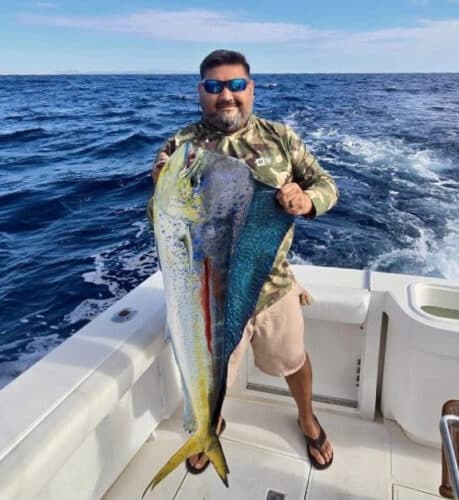
Tuna fishing seasons vary by region, guide maps best windows
Tuna season is really a map of moving windows, not a calendar. Knowing when bluefin hit New England or North Carolina saves a charter day and a lot of fuel.
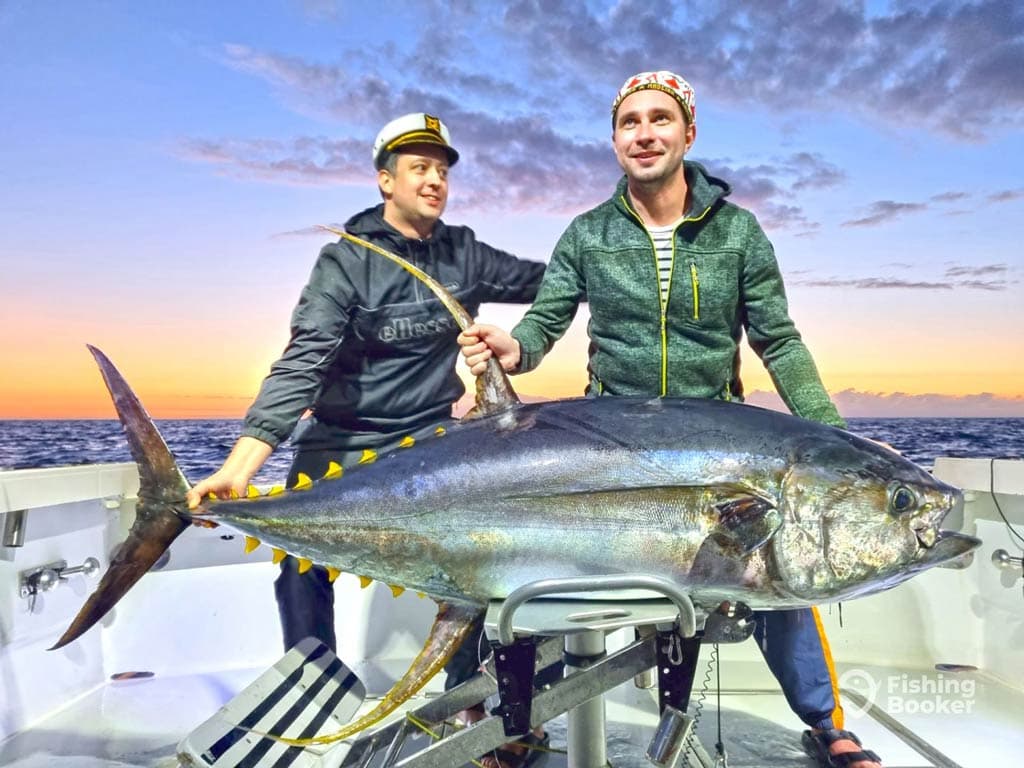
There is no single tuna season
If you fish tuna long enough, you stop asking, “When is tuna season?” and start asking, “Which tuna, which coast, and which window?” That is the real value of FishingBooker’s season guide: it treats tuna timing as a travel decision, not a fixed date on the calendar. The big takeaway is simple and useful, bluefin in New England can be a summer play, while North Carolina can fish better in winter, so the right trip depends on where the fish are moving and what the water is doing.
That matters because tuna fishing rewards timing more than optimism. A lot of anglers burn money by booking the wrong week in the wrong place, then blaming the bite when the problem was the map. The guide’s strength is that it gives you a way to sort true seasonal destinations from places that can produce year-round, and that is exactly how you should plan charters or trailer runs.
Follow the fish, not the calendar
Tuna are not one fishery. NOAA Fisheries manages Atlantic bluefin, bigeye, albacore, yellowfin, and skipjack as highly migratory species because they cross state lines and international boundaries, often over vast distances. That migratory behavior is why one coastline can be hot while another goes quiet, and why the same month can mean different things in New England, the Mid-Atlantic, or the Carolinas.
FishingBooker leans into that reality by tying seasonality to migration instead of pretending tuna show up on cue. Bluefin, yellowfin, and bigeye often follow different patterns, so the best window for one species can be a poor bet for another. If you are choosing between a canyon trip, a nearshore run, or a long offshore push, that species-specific timing should drive the plan.
What the regional windows really mean
New England’s western Atlantic bluefin run is strongest in summer, which is why that region gets so much attention when warm water and bait stack up. North Carolina is the opposite kind of lesson, because its tuna window is better in winter. Those two examples tell you almost everything you need to know about planning: tuna fishing is shaped by migration and water temperature, not by a universal open-and-shut season.
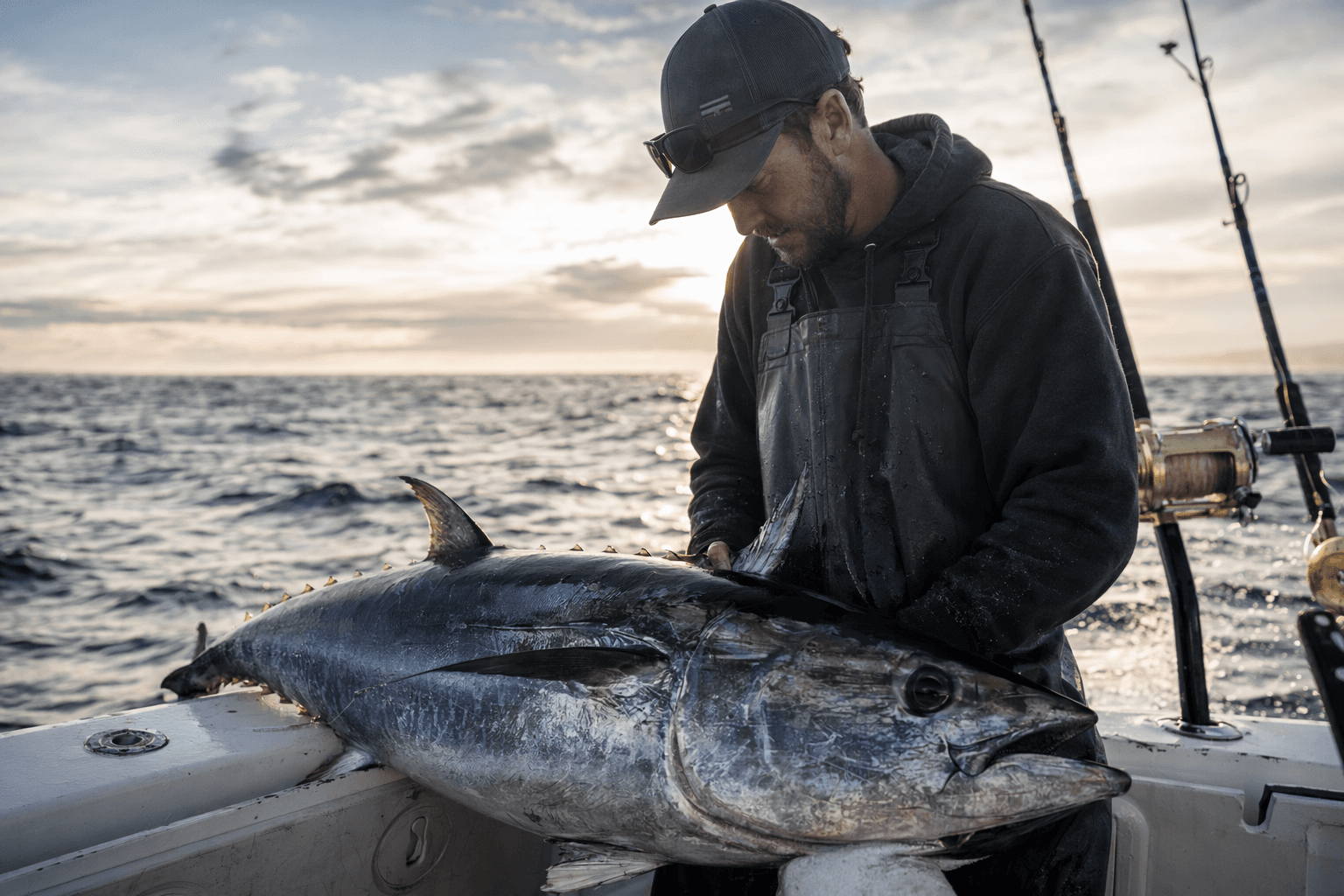
That is also why a “good tuna destination” needs context. New England can make sense when bluefin are moving through in force, while the Carolinas may be the better bet when colder water pushes fish into range farther south. A guide like this is less about chasing one hot bite and more about matching your travel dates to the local phase that actually produces.
The science explains the swing
NOAA’s bluefin work backs up the logic behind these windows. The agency says western Atlantic bluefin make long-distance movements, and its 2025 to 2026 research points to broad spawning patterns that include the Slope Sea between the Gulf Stream and the Northeast shelf. NOAA has also said a 30-year study showed conservation measures in the western Atlantic created a refuge that helped support bluefin recovery.
That is not just science-news filler, it tells you why tuna seasons can look so different from one coast to another. If the fish are using broad migratory corridors and spawning areas, then the best trip window will shift with water temperature, bait, and where those fish are in their cycle. For anglers planning ahead, the useful move is to think in terms of corridors and seasonal lanes, not a single “tuna month.”
How to use the guide when you are booking real trips
This is where the guide gets practical. If you are calling a charter, the first question is not just whether the captain “has tuna,” but whether your dates line up with the region’s best phase for the species you want. That can change the entire cost-benefit equation, because a weekend in the wrong window can turn into a fuel bill and a sunrise ride with little to show for it.
The same logic applies to trailer trips and DIY runs. You need to know whether you are aiming at New England summer bluefin, a winter North Carolina window, or farther offshore waters where yellowfin or bigeye may fit the season better. When you match the trip to the fish’s movement, you also match the gear, the weather expectations, and the kind of water you are likely to find.
Regulations matter before you go
The other thing a real tuna planning tool has to cover is regulation. NOAA says its recreational bluefin status page tracks open and closed fisheries, retention limits, and trophy status by area, and it also says those regulations can change during the year. That matters because you do not want to plan a trophy trip around a fishery that has already shut down.
NOAA defines recreational trophy bluefin as fish measuring 73 inches curved fork length or greater. It also said the Angling Category Southern Area Trophy Bluefin Tuna fishery closed on January 13, 2026 and stayed closed for the rest of the year. That is exactly the kind of local phase anglers have to watch, because the bite and the rulebook do not always move together.
The quota backdrop changes the feel of the season
Bluefin fishing has also become more dynamic at the management level. NOAA said the United States secured the largest single-year increase in its bluefin quota in the history of the fishery at the 2025 ICCAT annual meeting, and NOAA said it intends to consider modifying the baseline Atlantic bluefin quota in 2026 to reflect ICCAT’s 2025 decision. ICCAT, for its part, manages Atlantic bluefin as two stocks, eastern and western, under a science-based framework.
That matters to anglers because quota and status updates shape how much opportunity remains when the seasonal window opens. NOAA’s Bluefin Tuna Research Program exists to support research and collaboration among NOAA, state agencies, universities, and fishery interests, which is part of why the management picture keeps evolving. In practice, that means the smartest tuna trips are built around both the fish and the rules.
Book the window, not the myth
The best tuna trips are the ones that line up region, species, and season all at once. New England in summer, North Carolina in winter, and offshore runs for the right mix of bluefin, yellowfin, or bigeye are not just different trips, they are different bets on where migratory fish will be and what the water will let you do. Once you stop looking for one universal tuna season, you start booking the right window, and that is what keeps a tuna trip from becoming an expensive guess.
This article was produced by Prism’s automated news system from verified source data, official records, and press releases, then run through automated quality and moderation checks before publishing. The system is built and supervised by the people who set the standards it runs under. Read our full AI policy.
Did this article answer your question?