Tuna Identification at Boat and Scale for Legal Compliance: Bluefin, Yellowfin, Bigeye
Clear boat- and scale-side ID helps anglers meet size and season rules and improves handling, reporting, and tackle choices.
Reliable identification of bluefin, yellowfin, and bigeye at the boat or on the scale matters more than ever for legal compliance and practical fishing decisions. Fisheries laws hinge on species, fork length, and girth measurements; tackle choice, release technique, and accurate catch reports all depend on knowing exactly what’s on the line. That makes a simple, repeatable ID routine essential for every angler and charter crew.
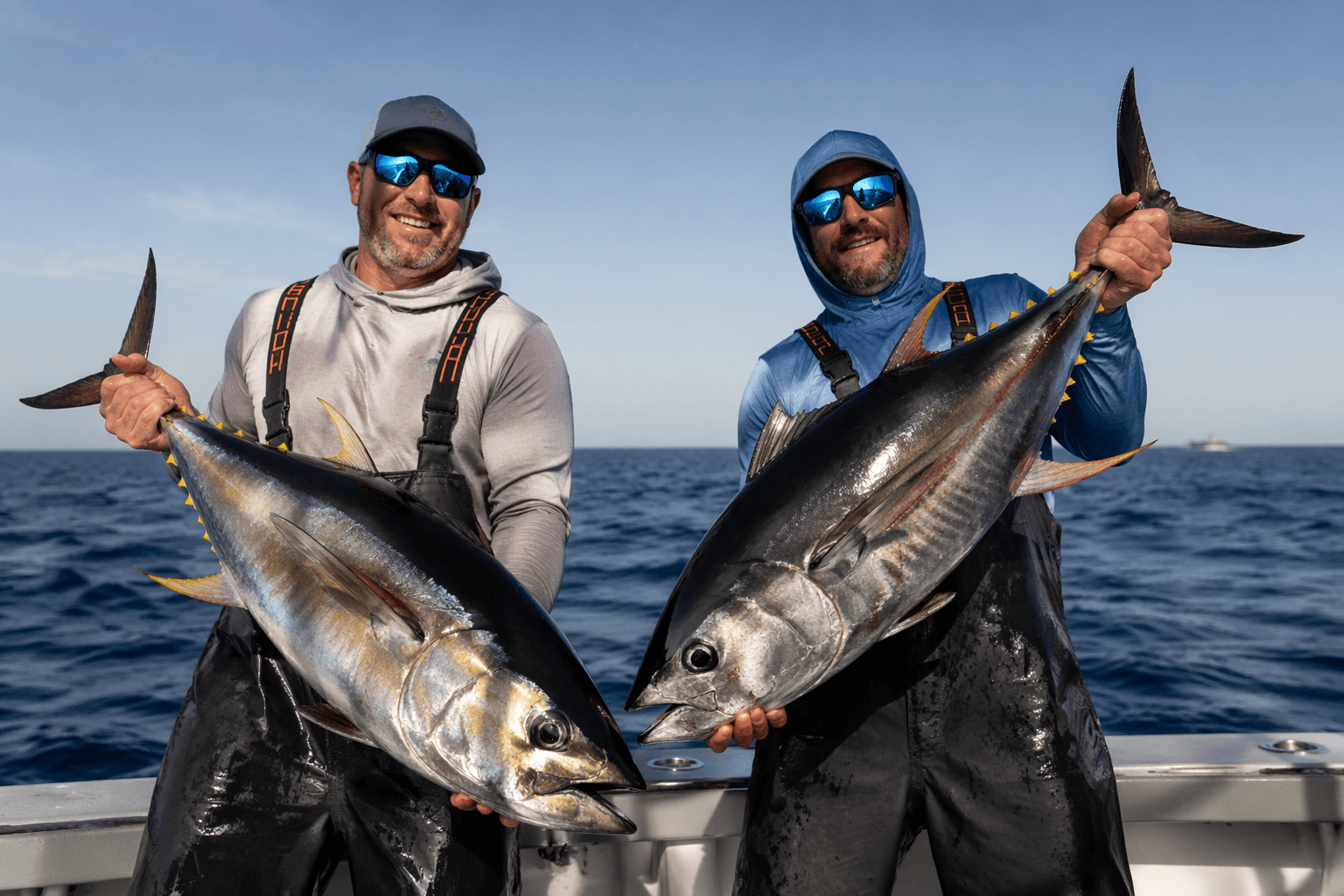
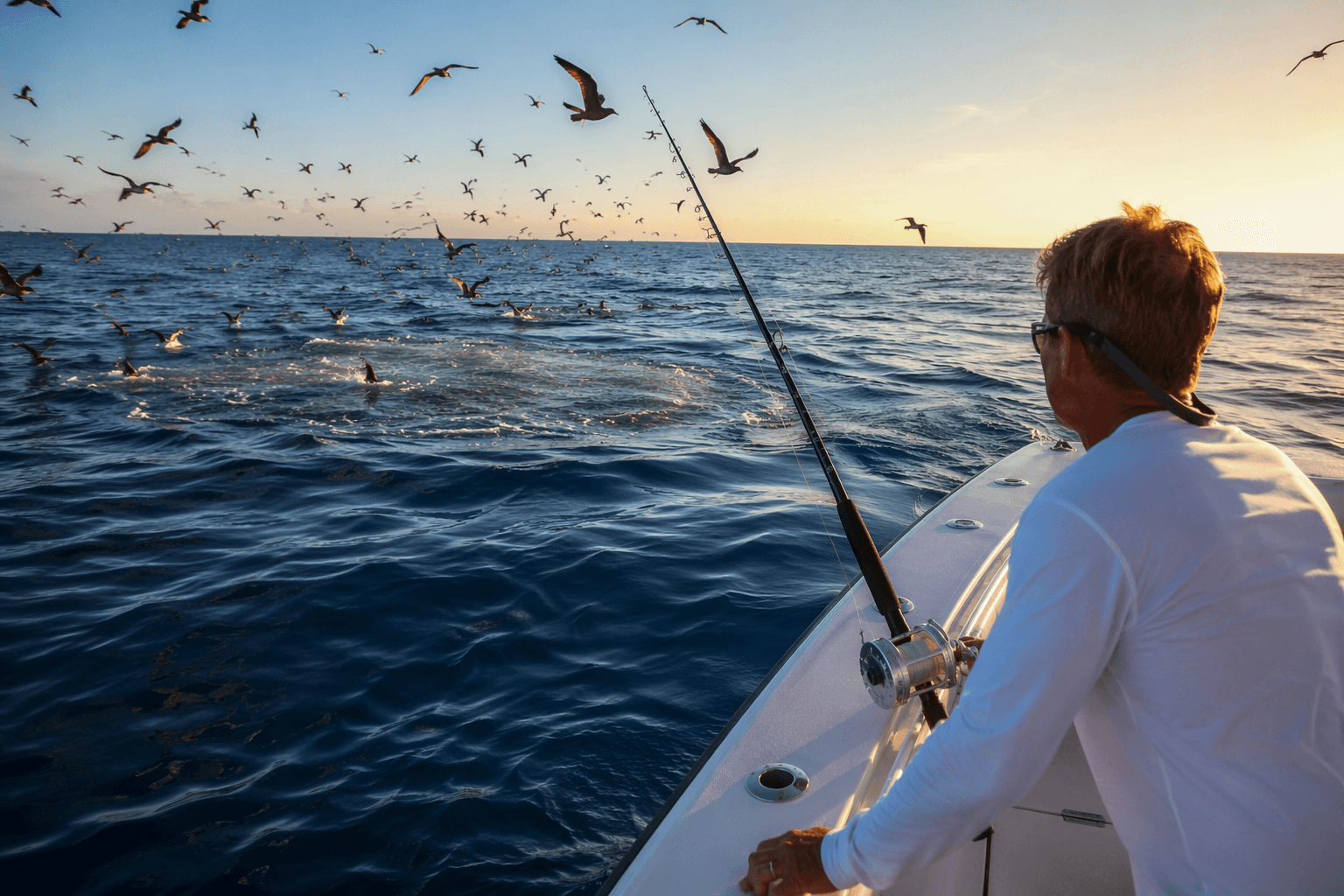
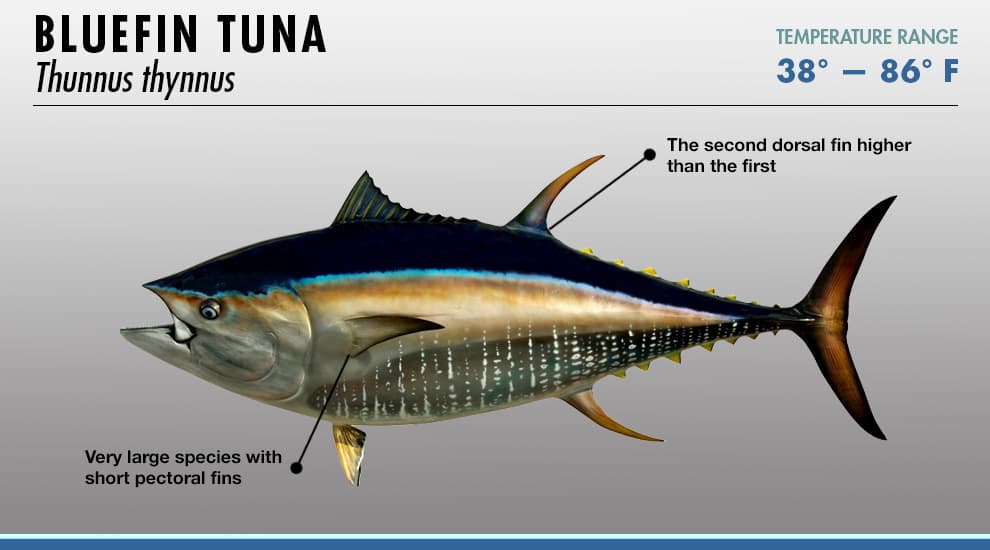
Start with the big three you will see on sport trips. Bluefin are stocky and robust, with a dark metallic blue back and silvery belly. Many Atlantic bluefin show relatively short pectoral fins and they can reach exceptional sizes - sometimes hundreds of kilograms - which is why curved fork length and girth measurements are commonly used for reporting. Yellowfin tuna, Thunnus albacares, are streamlined and very energetic; the giveaways are long, bright yellow dorsal and anal finlets and a yellow stripe along the flank on fresh fish. Yellowfin are often found in surface workups with birds or dolphins and respond to trolling with lures, skirted lures, and topwater plugs as well as live bait and chunking. Bigeye, Thunnus obesus, is deep-bodied and robust with very large eyes and a darker, bronze-tinged back. Bigeye typically feed deeper than yellowfin and are prized for sashimi quality; chunking, deep jigging, and longline methods commonly target them. From a distance bigeye can be confused with yellowfin, so eye size and body depth are useful distinguishing marks.
Albacore and skipjack also appear in many fisheries. Albacore have characteristically long pectoral fins and are smaller than bluefin or bigeye; they are often targeted with light tackle and handlines. Skipjack are smaller with a distinctive striped flank pattern and are common in purse seine and nearshore fisheries, frequently used as bait rather than big-game targets.
Field ID practice is straightforward and repeatable. Check finlets first - long bright yellow finlets point to yellowfin, short darker finlets combined with a large eye indicate bigeye, and very large body and heavy girth suggest bluefin. Note behavior and location: surface workups often mean yellowfin or skipjack, while deep strikes around thermoclines often signal bigeye. Photograph the left flank and both pectoral fins and take a fork length measurement; photos plus measurements make later ID and reporting far easier.

For compliance and fish welfare, always check local size limits, seasons, and quotas before keeping fish. If you plan to release, minimize air exposure, use a dehooker or lip-grip designed for big fish, and revive fish using a flow-through or cradle method when possible. Carry a tape measure or calibrated caliper, camera or phone, needle-nose pliers or dehooker, non-abrasive gloves or follow a wet-hands-only policy, and a fish-friendly tail-rope for lifting or photography.
Knowing your fins saves you from fines, keeps seasons open, and preserves fishing quality. Verify the species at the boat and on the scale, measure carefully, and report or tag as required so the next trip is as legal as it is memorable.
This article was produced by Prism’s automated news system from verified source data, official records, and press releases, then run through automated quality and moderation checks before publishing. The system is built and supervised by the people who set the standards it runs under. Read our full AI policy.
Did this article answer your question?