Warm Spring Sparks Bluefin Tuna Action Off North Carolina Beaches
A fast spring warm-up pushed sea temperatures into the 70s off southern North Carolina, and bluefin are still showing near the beaches.
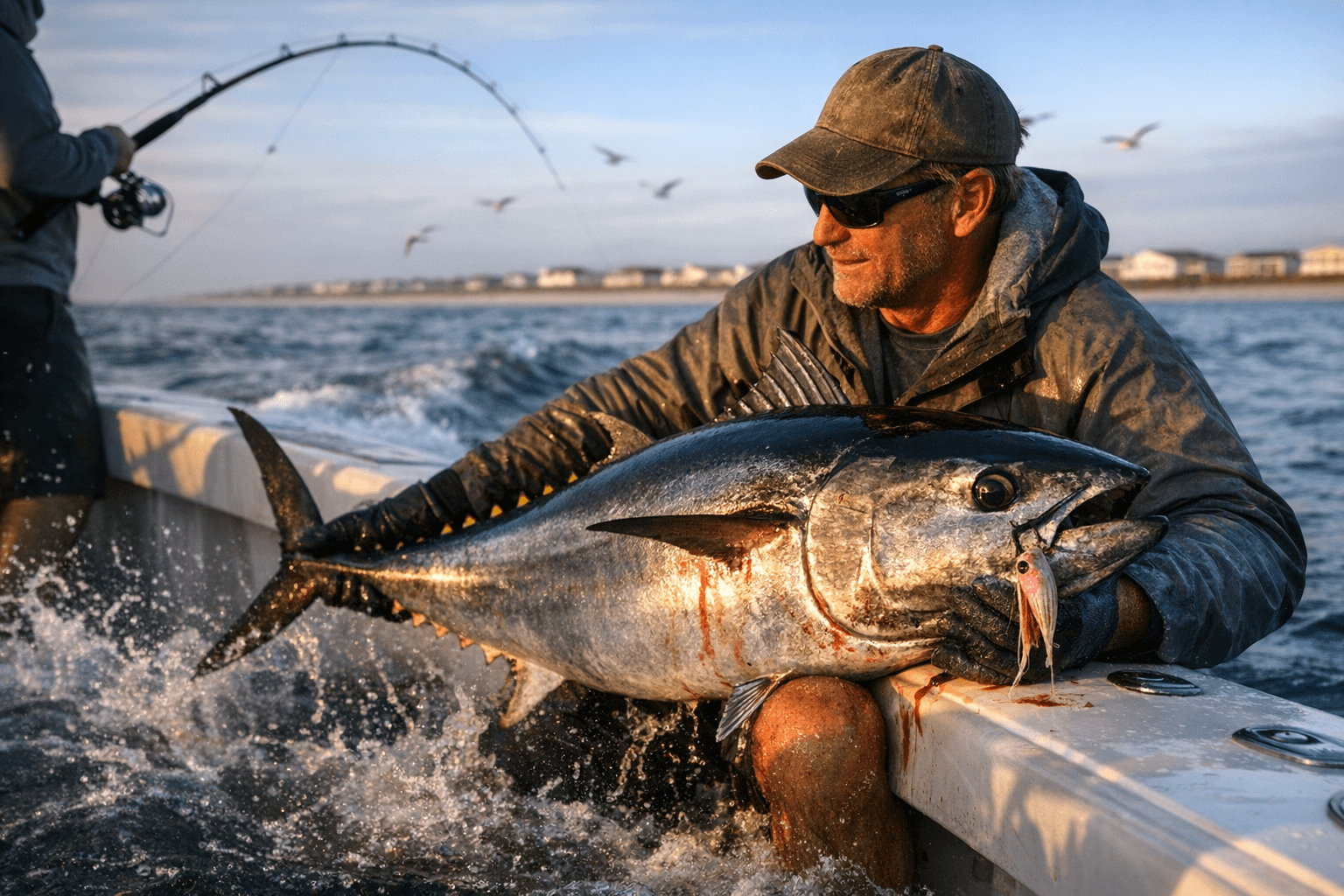
Bluefin tuna were still within reach off North Carolina’s beaches as an unusually warm spring shoved sea-surface temperatures sharply higher, turning what many anglers expected to be a fading window into one of the more interesting coastal patterns of the season.
Water off southern North Carolina climbed into the low 70s, while the Outer Banks sat in the upper 50s after starting the spring much cooler. That jump mattered because it kicked a broad mix of fish into feeding mode at the same time. Along with bluefin, the coastal spread included mature red drum, sharks, Atlantic bonito, early false albacore, Spanish mackerel, black sea bass, sheepshead and bluefish, a reminder that the spring run here is never just about one species.
The bluefin headline was the one getting the most attention. Fish pushed into nearshore waters again through much of March and April off the northern Outer Banks, and anglers showed up better prepared than they were a year ago. Last season’s unusual kayak and jet ski catches changed expectations, and this spring a number of tuna were again being landed from small craft. A reported 212-pound bluefin taken off the Outer Banks from a jet ski drove home how close these fish can still come when the water lines up right.
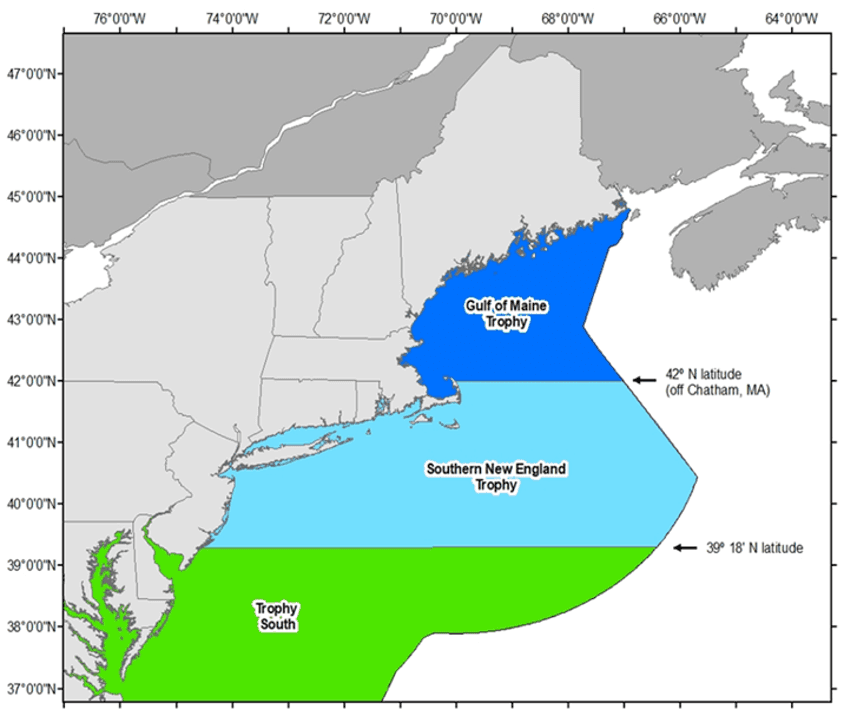
That close-to-shore pressure comes with real management consequences. NOAA Fisheries’ recreational Atlantic bluefin status page was updated April 17, 2026, and current retention limits vary by permit, vessel type, fish size and region. North Carolina’s Division of Marine Fisheries also requires all billfishes, swordfish and bluefin tuna to be reported at NC HMS reporting stations before removal from the vessel. The state’s recreational fishing reports are built from interviews with more than 500 anglers each week, giving managers and fishermen a steady read on how fast the spring pattern is changing.
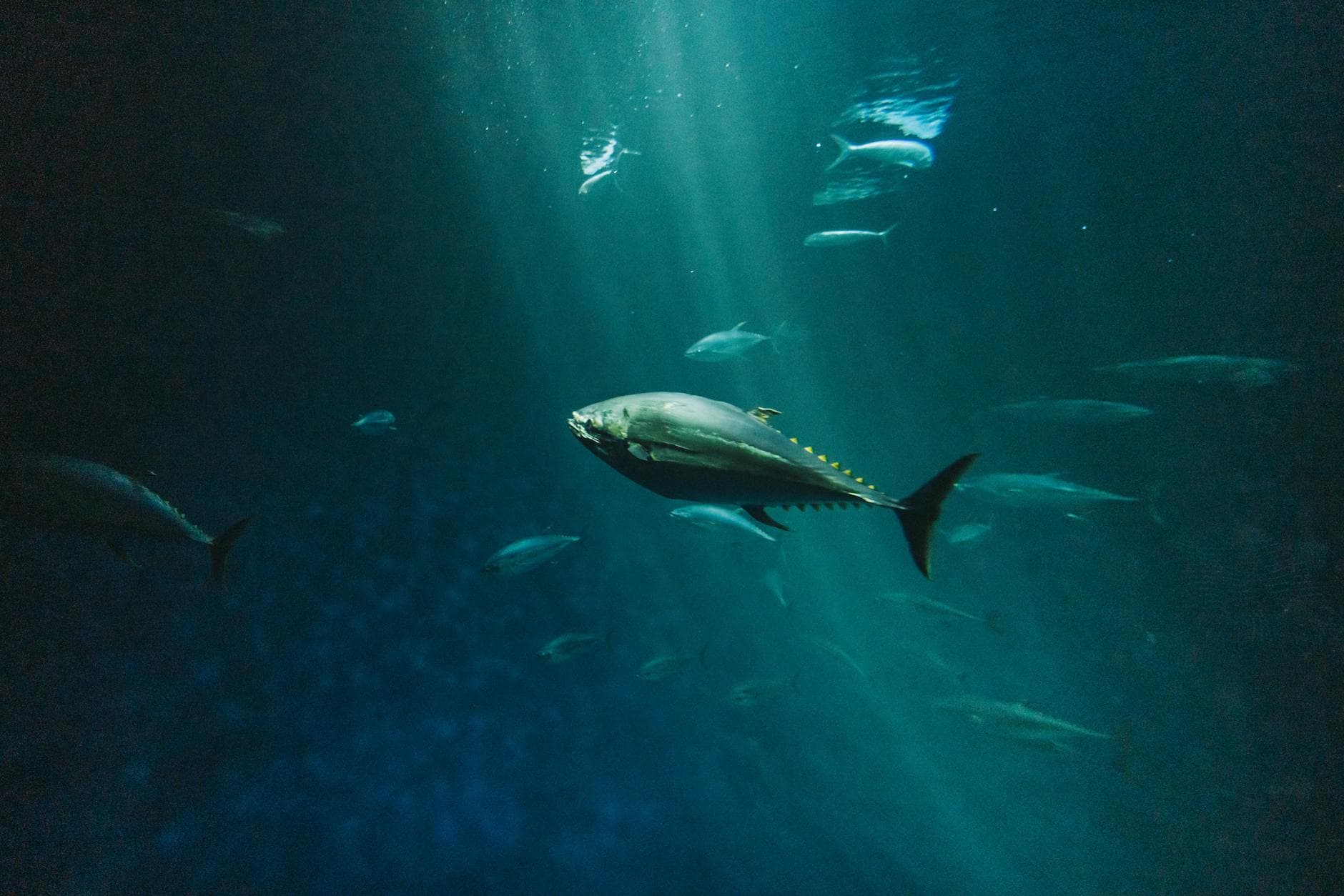
The size of the fishery also explains why the spring signal has drawn so much attention. Bluefin weighing 200 pounds or more qualify for the North Carolina Saltwater Fishing Tournament award, while a live-release citation starts at 70 inches. That puts the Outer Banks bite squarely in trophy territory when the fish slide in close enough to be reached by boats, kayaks or, in rare cases, jet skis.
This spring’s action also fits a bigger bluefin story. NOAA Fisheries said a 30-year study showed western Atlantic conservation measures have helped create a haven that contributed to recovery, and ICCAT notes that Atlantic bluefin are split between a larger eastern population spawning in the Mediterranean Sea and a smaller western population spawning largely in the Gulf of Mexico. After a 2025 shore-based burst off Nags Head and a September 2025 General category closure once the quota was reached, the 2026 pattern looks less like a one-off blip and more like a reminder that when warm water arrives early, bluefin can still make North Carolina beaches matter.
This article was produced by Prism’s automated news system from verified source data, official records, and press releases, then run through automated quality and moderation checks before publishing. The system is built and supervised by the people who set the standards it runs under. Read our full AI policy.
Did this article answer your question?