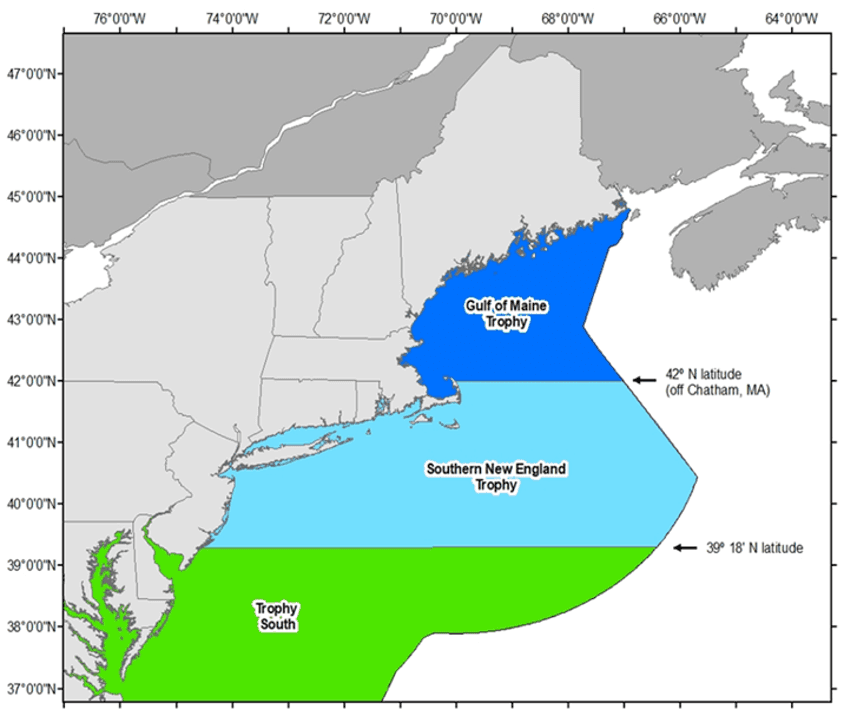
Lower Western Atlantic Harvest Helps Rebuild Atlantic Bluefin Tuna Stocks
Three decades of tagging and 75 years of catch history show why bluefin are back in western Atlantic waters: the West became a refuge that helped the stock recover.
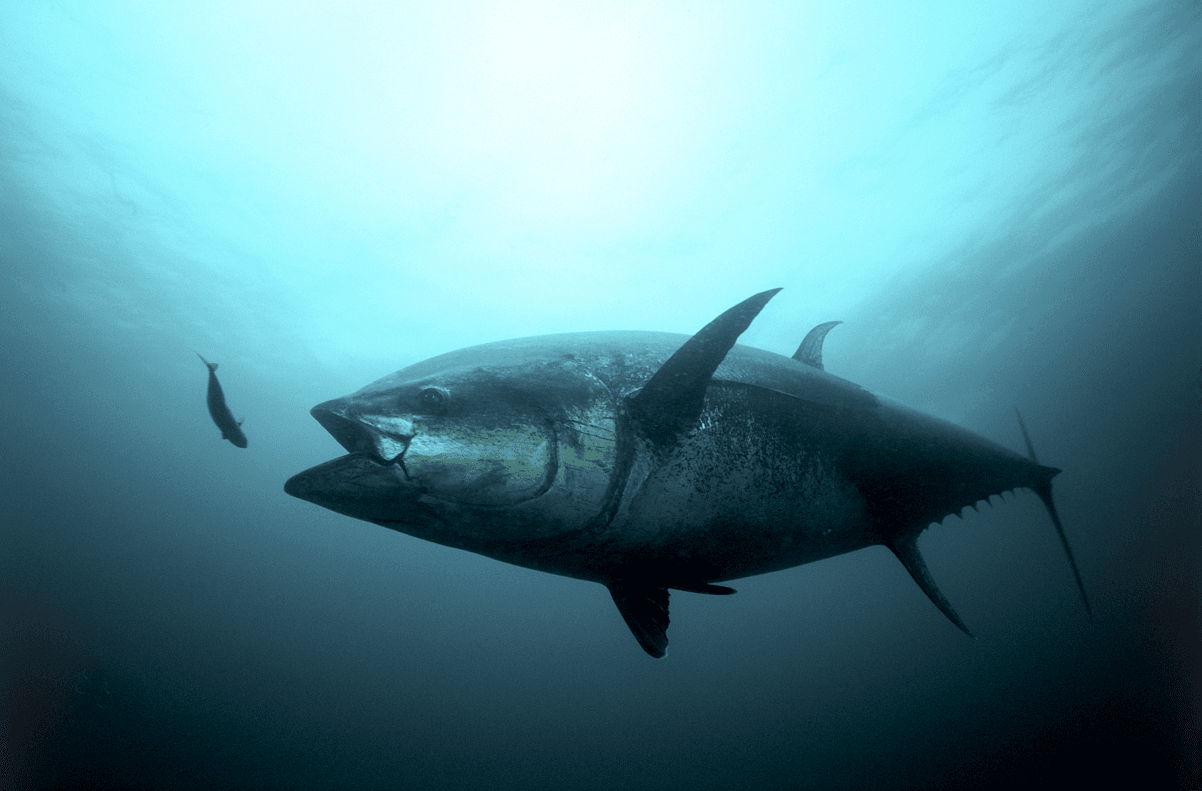
A refuge in the west is helping rebuild the fish everyone wants
The biggest bluefin story right now is not a single giant fish or a lucky bite. It is the fact that lower fishing mortality in the western and North Atlantic helped create a refuge for eastern-origin Atlantic bluefin tuna, and that refuge is now part of why anglers are seeing a stronger recovery signal in western waters. NOAA Fisheries says the new result comes from a study that paired three decades of electronic tag data from five nations with catch records stretching back to 1950, which makes this far more than a routine conservation talking point.
For tuna fishermen, that matters because bluefin do not live inside one country’s line on the chart. They cross the Atlantic, mix between eastern and western waters, and respond to what happens in multiple fisheries at once. When conservation works in one part of the ocean, the payoff can show up somewhere else, in the form of better abundance, more stable size structure, and more realistic seasonal opportunity for crews running out of U.S. ports.
What the new study says actually changed
The core finding is simple but important: the western and North Atlantic did not just hold bluefin, they helped protect them. According to NOAA’s coverage of the paper, lower fishing pressure in those waters created a refuge for eastern-origin Atlantic bluefin tuna, giving the broader stock breathing room. That is a major shift in how the recovery story should be understood, because it puts the western Atlantic in the role of contributor, not bystander.
Barbara Block of Stanford University led the work highlighted by NOAA, and the study in the Proceedings of the National Academy of Sciences combined electronic tag data, spawning-ground assignments, and state-space modeling to follow these fish across the ocean. The paper also drew on fisheries-independent biological information and spatially explicit track data, which helps explain why the conclusion carries more weight than a simple catch trend. NOAA’s framing makes the point clearly: the western Atlantic has been a critical piece of the recovery puzzle.
Why anglers should care about the western stock
The western stock is not a theoretical management line. It is harvested by the United States, Mexico, Japan, and Canada, and NOAA says U.S. wild-caught western Atlantic bluefin tuna are still managed under a rebuilding plan that allows limited harvest. That means every bit of stock health matters directly to access, season structure, and what kind of fish actually show up on your grounds.
The practical takeaway is that a healthier stock does not automatically mean open-ended opportunity. It means the fishery can support limited harvest under tighter rules, and that those rules are backed by evidence showing restraint can pay off. For crews planning expensive runs, that distinction matters: more recovery can improve odds, but quotas, seasons, and compliance still control how much of that recovery reaches the dock.
The management history behind the rebound
This recovery did not happen quickly, and that is exactly why it matters. Atlantic bluefin tuna have been exploited for more than two millennia, and they are managed by the International Commission for the Conservation of Atlantic Tunas, an intergovernmental body with 55 contracting parties. ICCAT adopted a 15-year eastern Atlantic and Mediterranean recovery plan beginning in 2007 after stocks were in trouble, and that long arc is part of the backdrop for today’s gains.
NOAA also said in 2025 that the United States secured the largest single-year increase in its bluefin quota in the history of the fishery. Put that next to the new science and the message is hard to miss: the fishery is still tightly managed, but the management has started to produce measurable upside. For the community, that means the conversation is no longer only about restrictions. It is also about what disciplined rebuilding can return.
Why the western Atlantic still matters in the life cycle
NOAA and Stanford-led research has identified the Slope Sea, between the Gulf Stream and the Northeast United States continental shelf, as an important western Atlantic spawning area. That detail is crucial for anyone following bluefin seasons, because it reminds you the western Atlantic is not just a migration corridor or a feeding lane. It is part of the species’ reproductive engine.
NOAA’s broader bluefin science has pointed to that area as a key piece of the puzzle, reinforcing how closely habitat, spawning, and stock rebuilding are tied together. When bluefin conditions improve in the West, that does not just affect one bite window. It can influence where fish are available, how many year classes show up, and how much consistency anglers can expect from season to season.
What this means on the water now
For the fishing community, the most useful way to read this story is as a reminder that bluefin abundance is built over decades, not weeks. The study shows that conservation measures in the western Atlantic were not symbolic. They helped create a refuge that supported recovery across a highly migratory stock, and that should shape how anglers think about the resource they are targeting.
- Expect opportunity to remain tied to international stock mixing, not just local weather or bait.
- Expect limited harvest to stay central to the U.S. fishery under the rebuilding plan.
- Expect the Slope Sea and the Northeast shelf to remain important in the bluefin conversation.
- Expect future quota decisions to stay linked to long-term science, not short-term pressure.
That is the real lesson in the new NOAA story. Bluefin are showing up because a long conservation chain held together across the western Atlantic, the North Atlantic, and the wider ICCAT system. For anglers, coastal businesses, and the ports that depend on tuna season, the message is the same: discipline on the water today is what keeps tomorrow’s bluefin season alive.
This article was produced by Prism’s automated news system from verified source data, official records, and press releases, then run through automated quality and moderation checks before publishing. The system is built and supervised by the people who set the standards it runs under. Read our full AI policy.
Did this article answer your question?