Rhode Island brothers help NOAA track bluefin tuna on charter trips
Brian and Peter Bacon turned charter trips into bluefin science, tagging 273 fish and feeding NOAA data that can shape future tuna rules.
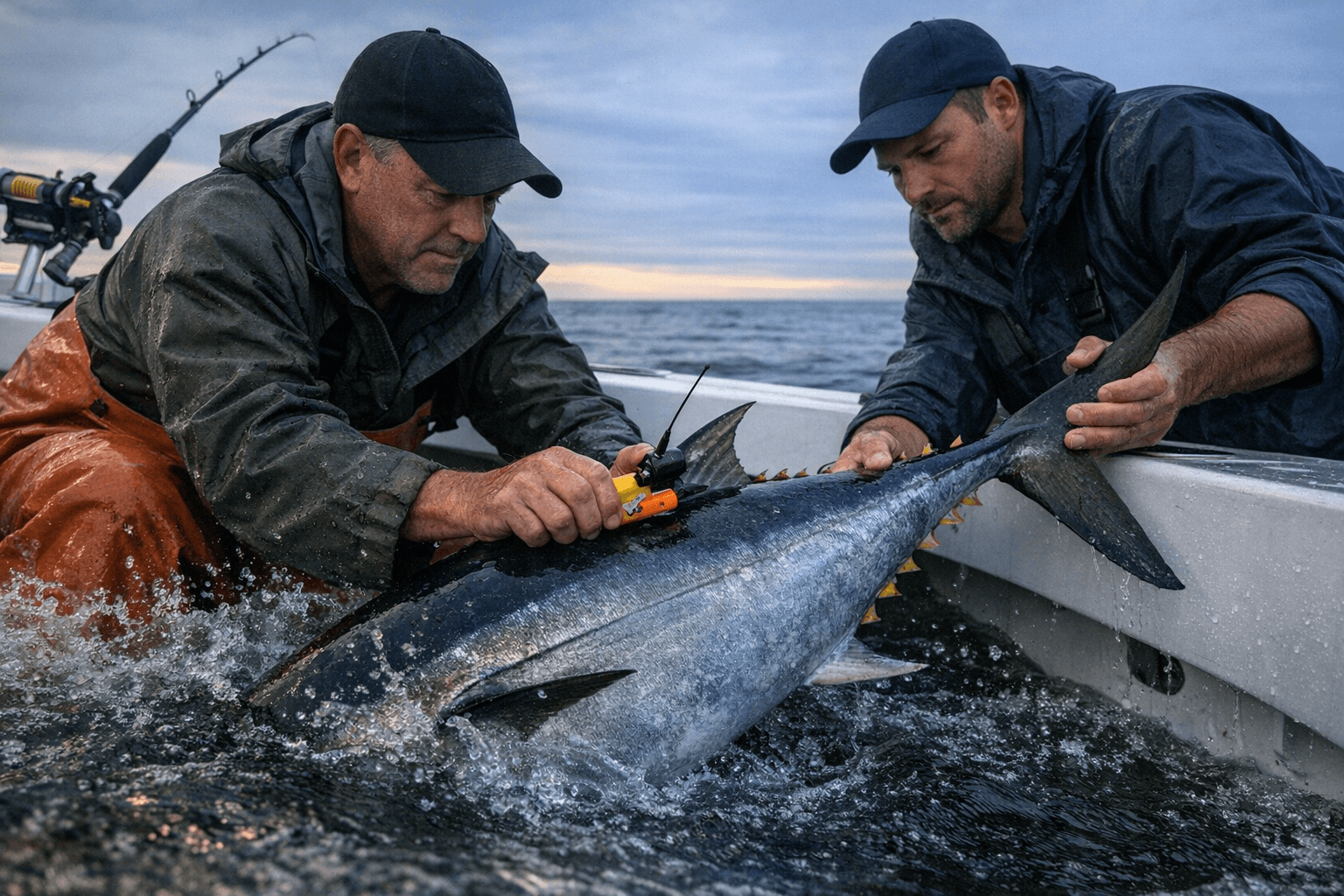
Brian and Peter Bacon are doing more than putting clients on bluefin off Rhode Island. On the deck of Big Game Sport Fishing out of Snug Harbor, every hookup can become a data point for NOAA’s bluefin tuna program, with fish size, capture location, release condition and recapture information all helping scientists track where the fish move, how fast they grow and how long they survive after release.
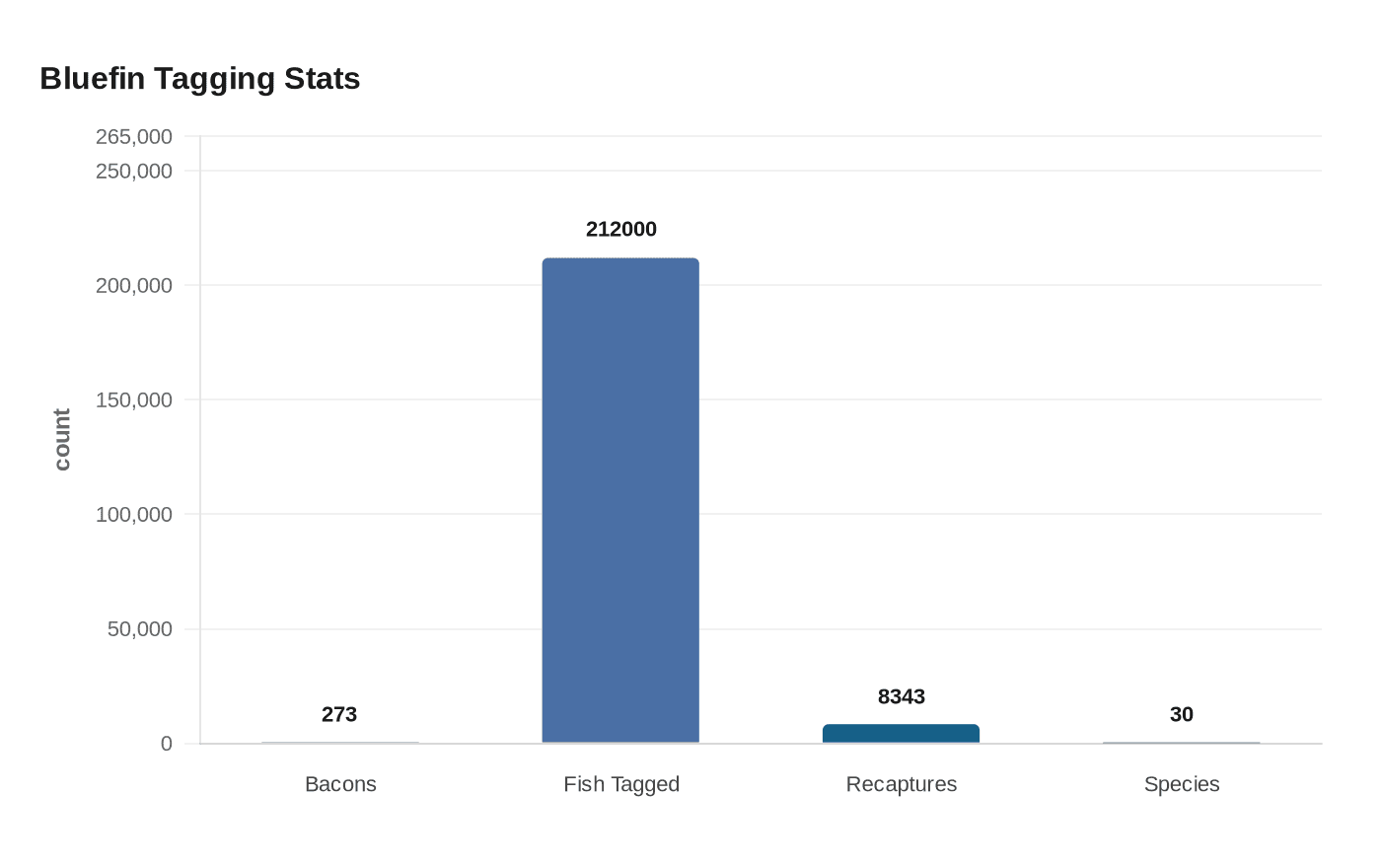
The Bacon brothers have tagged 273 bluefin tuna through NOAA’s Cooperative Tagging Center, a program that dates to 1954 and remains one of the longest-running tag-and-release efforts for highly migratory species in the world. NOAA says more than 10,000 volunteers have taken part over the years, tagging 212,000 fish from 30 species and logging 8,343 recaptures. Some tagged bluefin have turned up more than 10 years later, and one NOAA update said a recaptured bluefin had been at large for 18 years.
That is the real value of the charter-boat model. A single client trip can still deliver a trophy bite, but it can also produce information on migration patterns, seasonal movements, habitat range and post-release survival. For a species as mobile as Atlantic bluefin tuna, those details matter. NOAA says the fish can reach 13 feet and 2,000 pounds, and they generally do not spawn until about age 8, with spawning concentrated from mid-April through June in the Gulf of America.
Brian Bacon summed up the pull of the fish in a line NOAA included in its spotlight: “Once you go bluefin fishing, you’ll never want to fish for anything else again.” Peter Bacon added that the fish are aggressive and require a lot of boat maneuvering, a reminder that the science comes wrapped inside the same hard-charging game that keeps charter customers coming back.
Big Game Sport Fishing was established in 2008 in Snug Harbor, and NOAA’s feature on the brothers tied their on-the-water work to a broader management picture. NOAA says the western Atlantic bluefin stock is not subject to overfishing, but its overfished status is unknown. That makes every additional tag, recapture and release record more valuable when managers are trying to separate catch success from stock health.
The timing matters, too. At the 2025 ICCAT annual meeting in Seville, Spain, the United States secured an additional 231 metric tons of Atlantic bluefin quota, which NOAA described as the largest single-year increase in the fishery’s history. NOAA also said it will take separate rulemaking action in 2026 to consider modifying the baseline Atlantic bluefin quota in line with that decision.
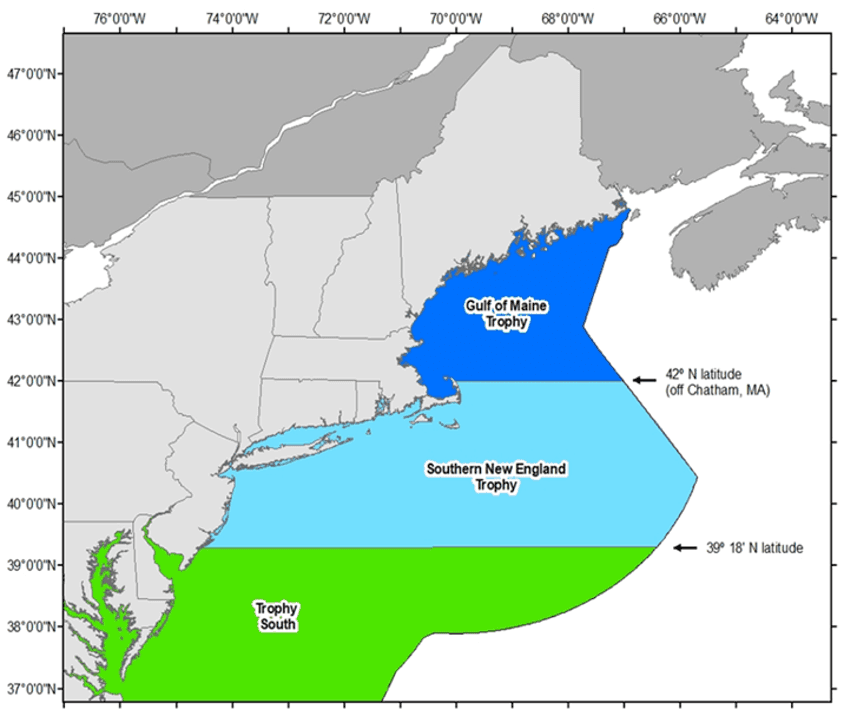
As of April 17, NOAA said the Gulf of Maine and Southern New England trophy areas were open, the South trophy area had closed on January 13 after landing 11.6 metric tons against a 2.3 metric ton base quota, and the Gulf of America trophy area remained open. For bluefin anglers, the message is clear: the best charter boats are becoming part of the management system, and the Bacons are already doing the work.
This article was produced by Prism’s automated news system from verified source data, official records, and press releases, then run through automated quality and moderation checks before publishing. The system is built and supervised by the people who set the standards it runs under. Read our full AI policy.
Did this article answer your question?