UK Bluefin Tuna Licences Double, Wider Access Opens for 2026
Defra doubled commercial bluefin access to 30 vessels, but the real question is whether that opens the fishery or just widens the same small circle.
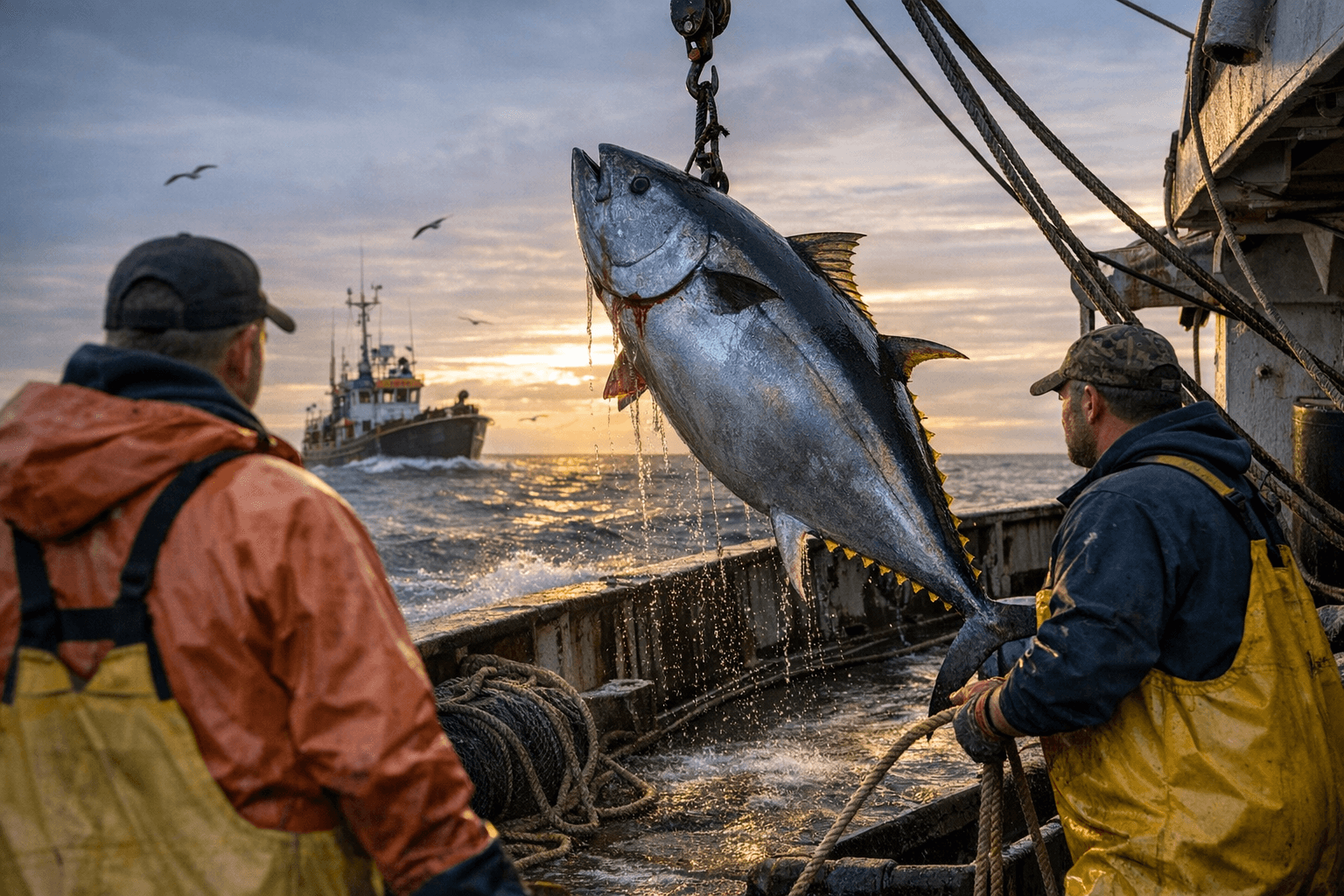
Thirty commercial bluefin tuna authorisations is still a tight gate, but it is the widest one the UK has opened yet for rod-and-line boats. Defra has doubled the 2026 commercial pool, and the rules stay narrow: vessels 12 metres and under, rod and reel only, trips of under 24 hours, and landings in UK designated ports.
Angela Eagle set out the numbers in a written answer to Ben Maguire after he asked about better access for inshore fleets and coastal communities. The application window for the commercial fishery opened at 10:00 on April 8 and runs to 23:59 on April 30, giving captains only a short run to get in if they want to fish this season. There is no rollover from previous years, and each vessel can submit only one application.
This is where the precedent matters. The 2023 trial commercial fishery began with just 10 under-15-metre vessels and was billed as the first of its kind in the UK for decades. Two years later, the government is still keeping the fishery small, but the cap has moved from a trial to a broader managed opening. Up to 30 vessels will be authorised in 2026, each with 4 tonnes from the 120-tonne commercial share, which tells you exactly how carefully Defra is rationing entry.
The recreational side is growing too, but it is growing under the same controlled logic. Defra is making up to 230 permits available across UK catch-and-release bluefin fisheries in 2026, with around 150 in English waters. The English application window ran from March 24 to April 13, and the season is expected to run from July 13 to November 30. Every successful recreational applicant must complete Angling Trust-accredited mandatory training before a permit is issued, a requirement developed with Defra, the Marine Management Organisation, Cefas, Natural England and sector representatives.
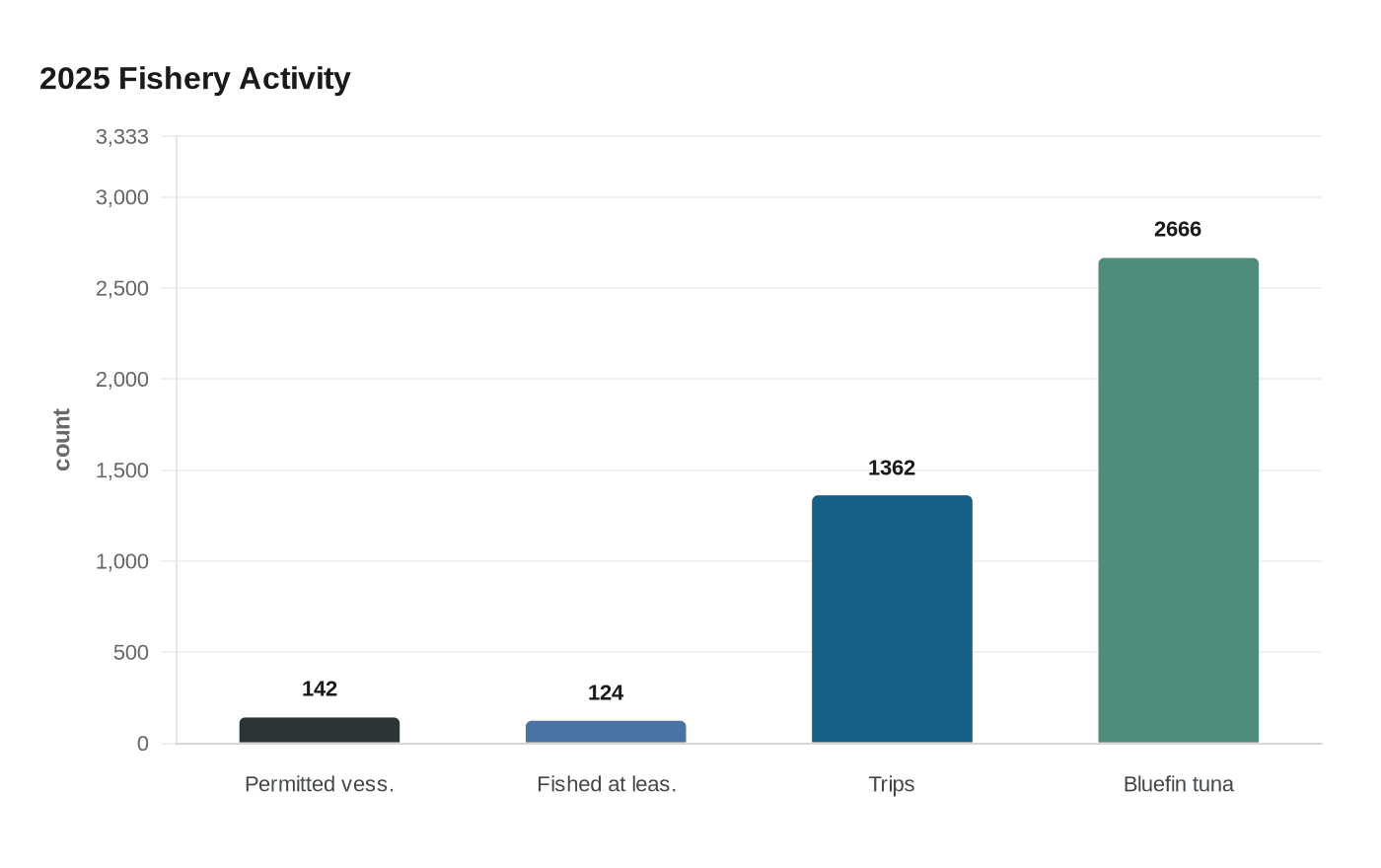
The interest is already there. In 2025, 142 vessels were permitted in the English recreational fishery, 124 fished at least once, and they made 1,362 trips that produced 2,666 bluefin tuna. The reported pre-release mortality rate was 0.53%, and 97% of fish were released in good to excellent condition. That kind of participation is why the fight over access is no longer theoretical. It is about who gets a seat, how many seats there are, and whether the next round of growth goes to family-run boats, charter operators, or the same small group that already knows how to work the fishery.
The wider quota backdrop shows how deliberate the rollout is. The UK has 230 tonnes of Atlantic bluefin allocation for 2026 to 2028, after ICCAT set eastern Atlantic bluefin TACs at 48,403 tonnes for the period. Defra has tied 120 tonnes to the commercial fishery and 20 tonnes to recreational catch-and-release, with the rest left for other pressures and management needs. For now, bluefin access is expanding, but it is expanding on a leash.
This article was produced by Prism’s automated news system from verified source data, official records, and press releases, then run through automated quality and moderation checks before publishing. The system is built and supervised by the people who set the standards it runs under. Read our full AI policy.
Did this article answer your question?