Warmer Bass Strait pushes southern bluefin tuna deeper in winter 2026
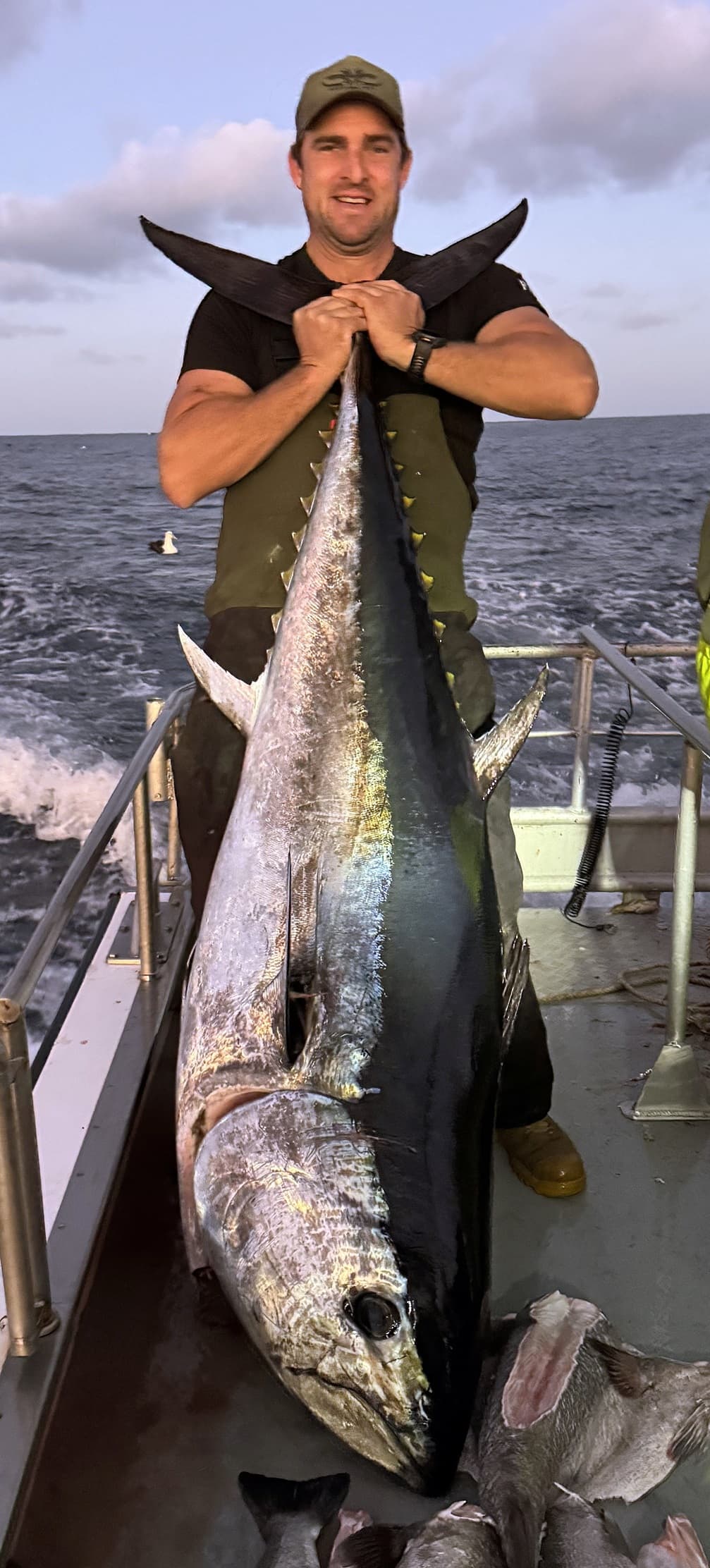
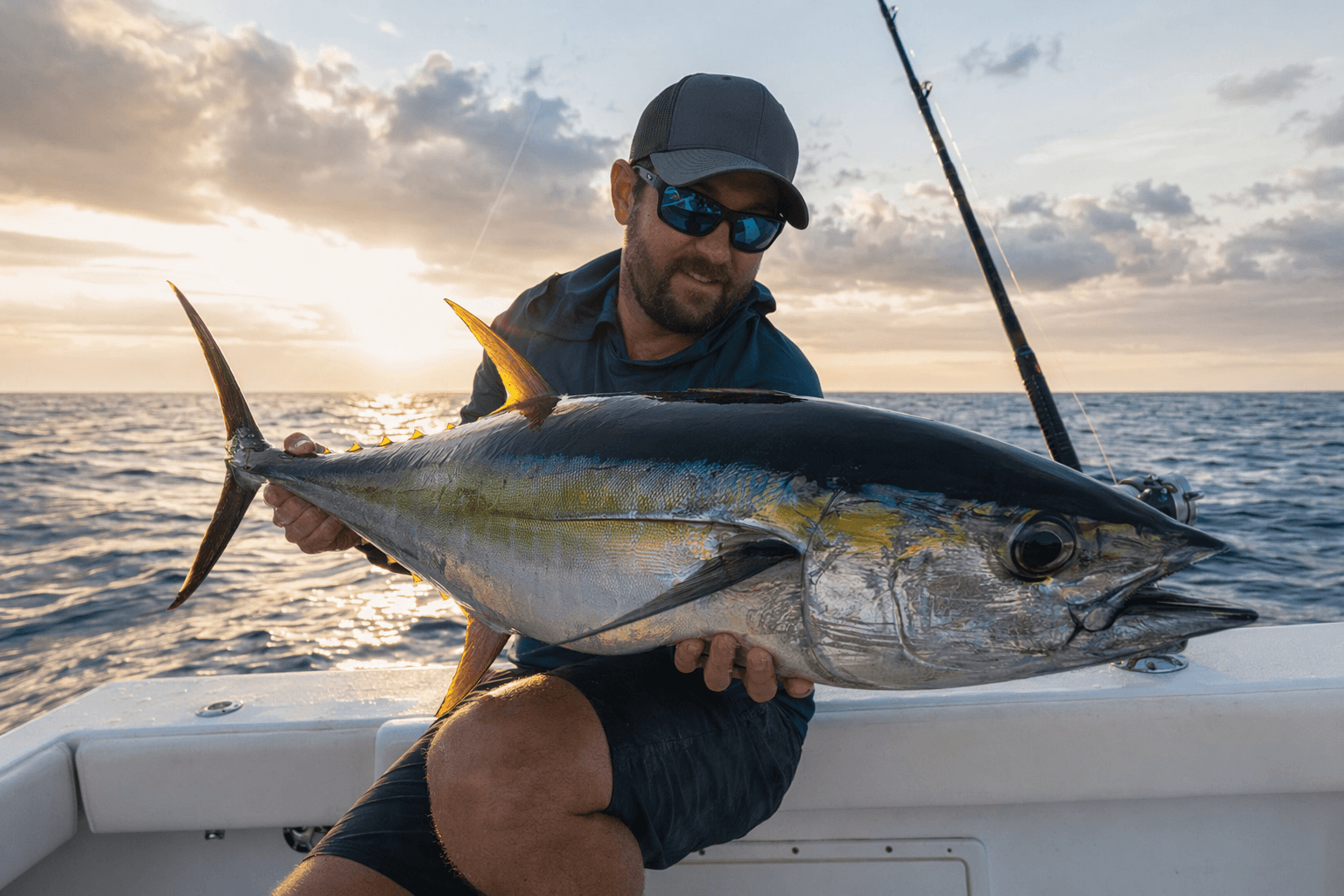
Bass Strait bluefin are showing off Portland and Port Fairy, but warm water has pushed the bite to 30 to 50 metres and left surface spreads empty.
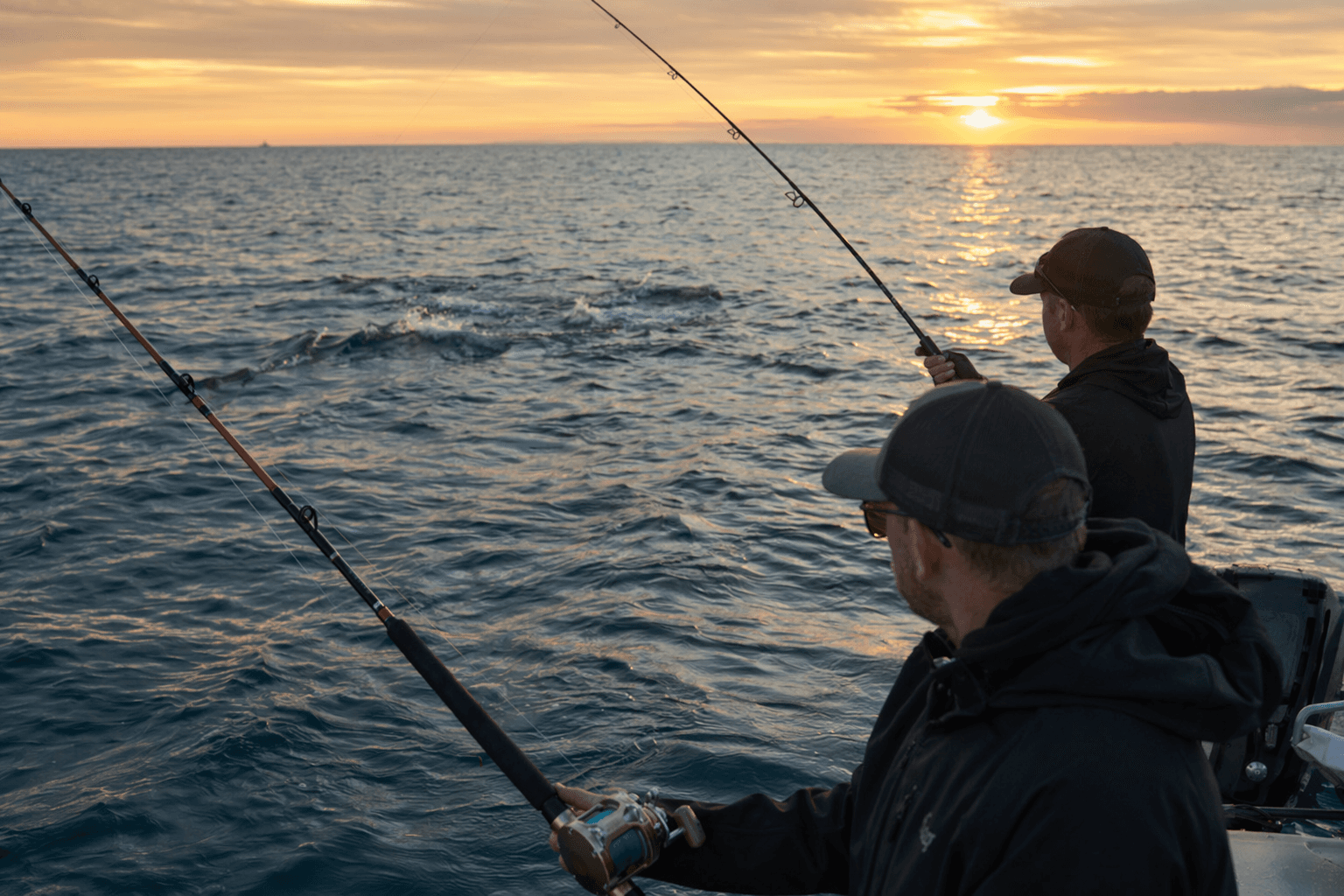
Southern bluefin are in Bass Strait, but the warm top layer has changed the game. Catches have been confirmed off Portland, Port Fairy and along the Victorian shelf edge since mid-May, yet crews still dragging standard surface lures have been coming home empty while boats fishing downriggers at about 30 to 50 metres have been connecting.
The reason is the water. The Tasman Sea has been running up to 2 degrees Celsius above average, and that is pushing the fish deeper than many winter crews have been fishing. Portland remains the hub of the 2026 run, but the shelf break is producing the wider spread of fish, which means the old surface pattern is no longer enough on its own. The message from the water is blunt: the tuna are there, but they are sitting beneath the warm layer where the feed and temperature line make more sense to them.
That depth shift fits what is known about southern bluefin. Australian fisheries agencies describe them as a single, highly migratory stock that spawns in the north-east Indian Ocean and moves through the temperate southern oceans. Fishing Tasmania says they are actively targeted off the state’s east and south coasts during autumn and into winter, usually in waters around 40 metres deep. When the top layer stays too warm, the fish do not need to rise into the upper 20 metres where many day boats have been trolling, and that is why the bite can look dead to crews without deeper gear.

The long-range weather setup adds another layer to the outlook. The Bureau of Meteorology says ENSO is currently neutral, but models point to a likely transition to El Niño during winter, with the Indian Ocean Dipole neutral as well. That makes sea-surface temperature a live tactical factor, not just background noise. For Bass Strait bluefin, the practical adjustment is already clear: watch the temperature breaks, run deeper than a normal surface spread, and expect the better action to build only after the warm lid starts to break down.
Portland’s role in the fishery is no surprise to anyone who has fished it for years. Earlier recreational survey work recorded at least 594 southern bluefin tuna caught by boats returning to moorings in Portland Harbour, and charter operators have already been advertising daily bluefin trips for the 2026 season. The run is still on, but in winter 2026 the winning move is not chasing the surface. It is getting under the warm water and staying there until the fish come back up.
Know something we missed? Have a correction or additional information?
Submit a Tip