IOTC sets yellowfin tuna catch limit, reshaping Indian Ocean rules
Yellowfin gets a 436,867-tonne cap for 2027-28, while Indian Ocean rules tighten on FADs, transshipment and vessel tracking.

Indian Ocean yellowfin just got a hard ceiling, and that changes the game from crisis-style fixes to a longer, tighter management regime that should make future quotas more predictable. At the Indian Ocean Tuna Commission’s 30th session in Malé, Maldives, from May 11 to 15, members adopted eight conservation and management measures that redraw how yellowfin tuna and other tropical stocks will be handled across the basin.
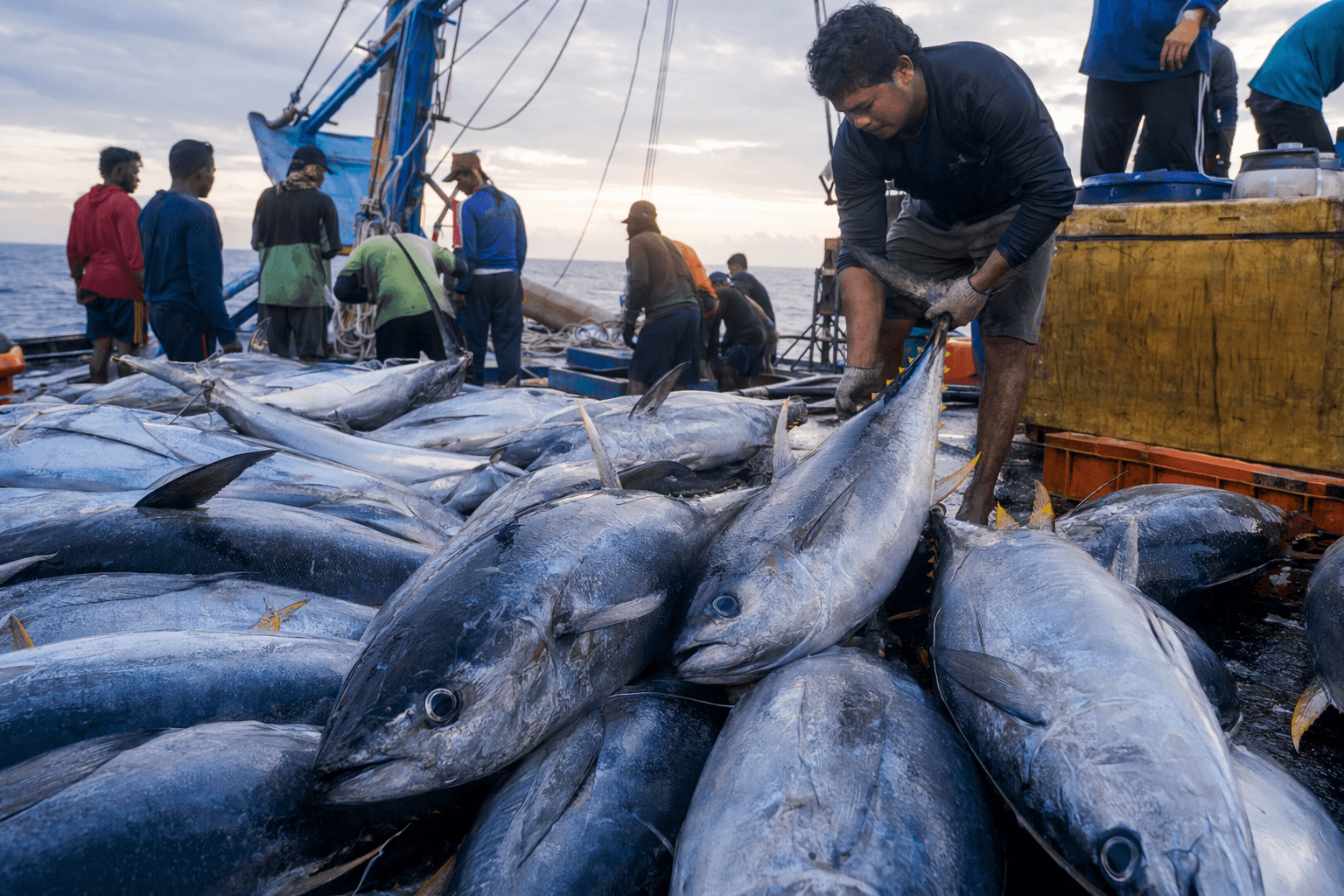
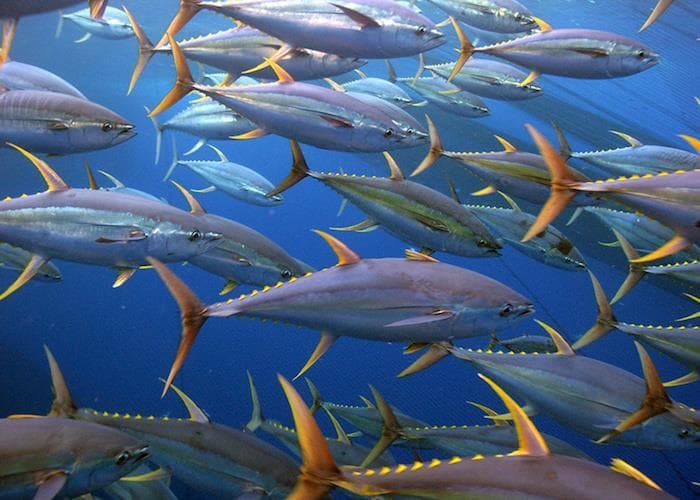
The headline number is the yellowfin total allowable catch: 436,867 tonnes for 2027 and 2028. Europêche Tuna Group said that limit sits below current catches and close to the historical range scientists have identified, which is the kind of line commercial fleets want to hear if they are trying to plan trips, contracts and freezer space without wondering whether the stock is heading for another emergency cut. The group also said the IOTC became the first tuna regional fisheries management organization to set total allowable catches and quota systems for all three tropical tuna stocks, a major shift for a fishery that has long been split by different national and coastal-state rules.
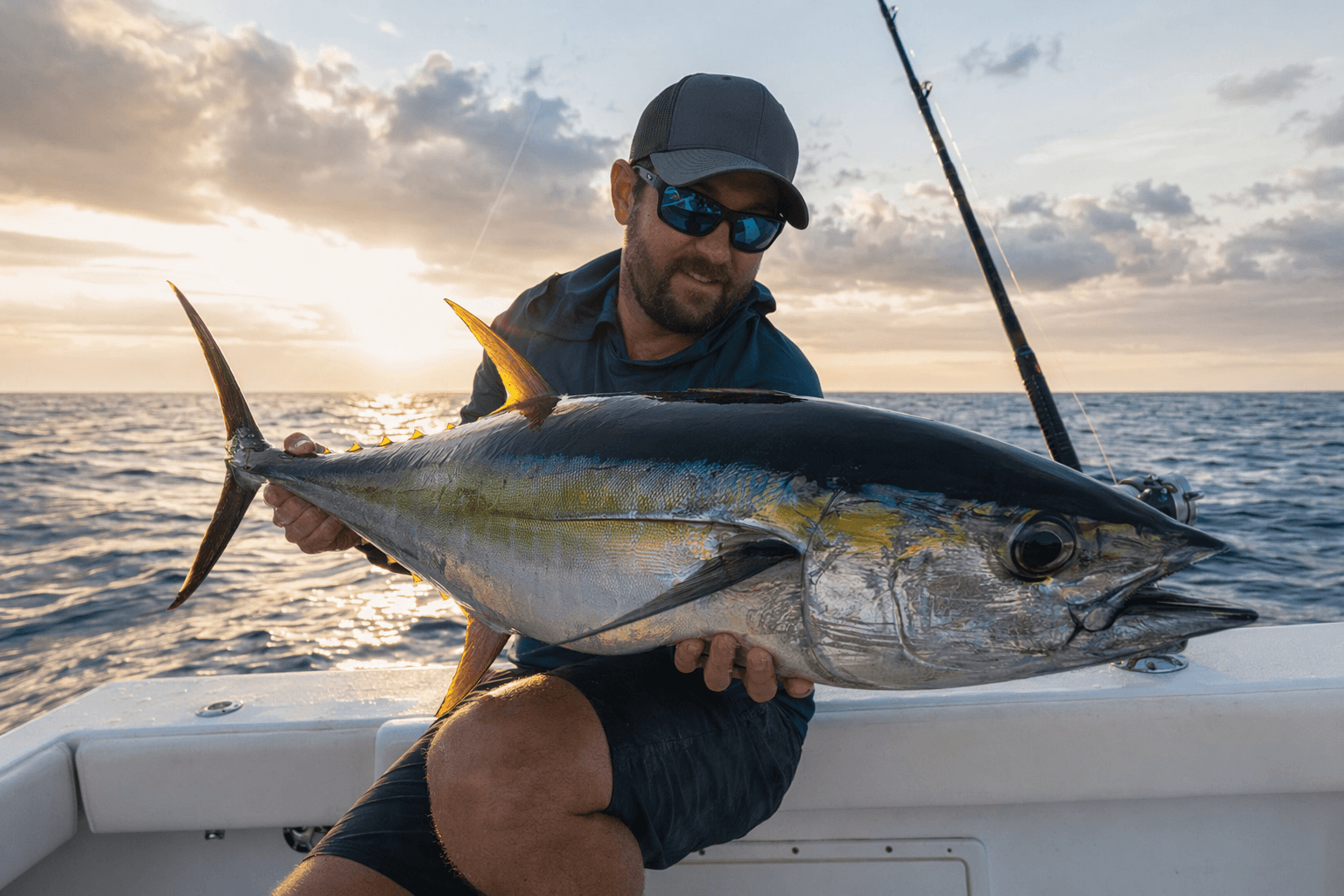
For recreational tuna fishermen, the practical effect is less about deck politics and more about what shows up on the water and in the market. The new framework moves yellowfin away from a recovery plan and into long-term management, which should make the rules steadier even if the ceiling stays tight. Stable management can help keep the stock from swinging between boom and panic, support better monitoring and traceability, and reduce the chance that unmanaged effort simply gets pushed onto yellowfin later.
Politics still mattered. Europêche said the EU quota was preserved, objecting coastal and distant-water parties were brought back into the management framework, and Oman committed to withdraw its objection on drifting FAD management measures. Europêche Tuna Group President Xavier Leduc said the EU had been working to preserve the “green status” of the yellowfin stock while keeping the European fleet on a level footing. That is the real fight inside these meetings: not just how many tonnes get counted, but who has to live under the same rules.
The session also dealt with swordfish allocation, bycatch mitigation for mobula rays, stronger statistical reporting, tighter rules on at-sea transshipment and a first step toward including vessels under 24 metres in the regional vessel record. The IOTC also reaffirmed its mandate under the Biodiversity Beyond National Jurisdiction Agreement, which puts tuna management inside a wider ocean-governance push. For anglers who follow the stock and for fleets that live off it, the signal is clear: Indian Ocean yellowfin is no longer being managed like an open question. It is being managed like a resource that has to hold together.
Know something we missed? Have a correction or additional information?
Submit a Tip