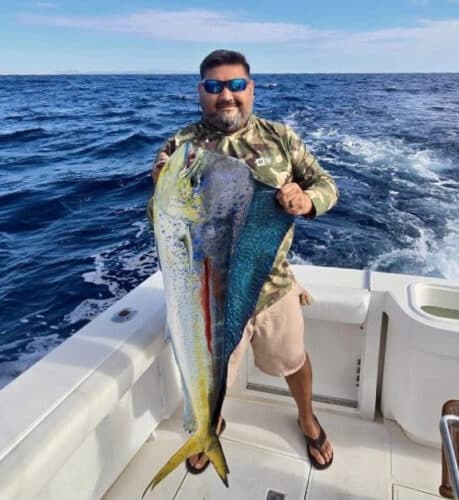
West Marine guide helps anglers rig for offshore tuna success
Stop buying shiny offshore toys first. The real tuna win comes from the right rods, reels, leaders, timing, and a clean read on the rulebook.
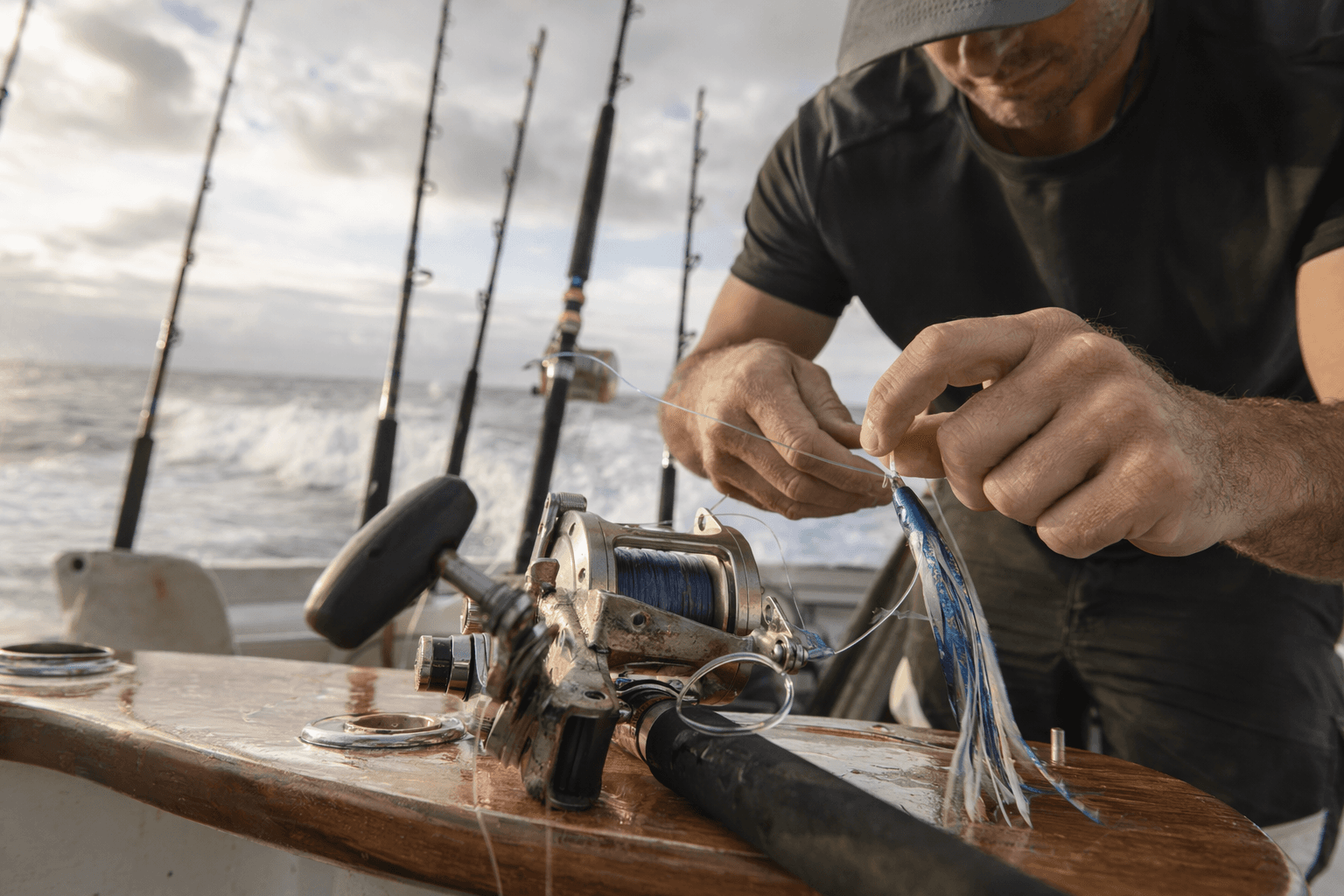
Build the first tuna setup like it has to work in rough water
The first expensive mistake offshore tuna anglers make is chasing exotic gear before they have a tight, fishable core setup. West Marine’s guide keeps the focus where it belongs: rods, reels, line, terminal tackle, topshots, leaders, hooks, lures, bait, and the heavy-duty tools that keep a bluewater hookup from turning into a loss. That is the right order of operations for a first serious tuna run, because tuna do not care how pretty your spread looks if your drag is wrong or your terminal tackle is weak.
Must-have gear comes first
If the goal is a first offshore tuna trip that does not turn into a gear clinic, start with the basics and stay disciplined about it.
- A rod and reel matched for the size of tuna you are targeting
- Main line with enough strength for hard runs and long fights
- Topshots and leaders that give you some stretch, abrasion resistance, and clean presentation
- Hooks sized for the bait or lure you are actually fishing
- Lures and bait rigs that match the species and conditions
- A fighting belt so you are not trying to win a tuna battle with your lower back
- A gaff, because a fish at the boat is not landed until it is controlled
That is the core kit. West Marine also calls out outriggers, submersible lights, landing nets, knives, and cutters, but those belong in the second tier for most beginners unless the boat and fishery really call for them. The point is not to own everything. The point is to own the pieces that keep a hookup from becoming an expensive story.
Nice-to-have upgrades that matter after the basics are right
Once the core setup is sorted, the specialty gear starts making sense. Outriggers widen your spread and clean up your presentation. Submersible lights help when you are fishing low-light water or working around night bite conditions. Landing nets can help in some situations, though a proper gaff still matters more on serious tuna. Knives and cutters sound mundane until you need to clear a tangle fast or cut terminal tackle under pressure.
That is where a lot of beginners get it backward. They buy the outriggers before they buy the right leader material. They obsess over lights before they know how to rig a bait so it swims right. The better move is to make the boat functional first, then add the gear that solves a real problem on your fishery.
Find tuna by reading the water, not by wishing for a bite
West Marine’s guide is useful because it does not pretend tuna are random. It points anglers toward temperature breaks, currents, offshore structure, floating debris, FADs, and bird activity, which is exactly how tuna days are usually built. If you are offshore and not looking at the water like a map, you are already behind.
Electronics are a major part of modern offshore fishing, and they should be treated that way. Use them to confirm what the water is doing, then use your eyes to find life, bait, birds, and edges. Temperature breaks and current seams matter because tuna often use those lines like moving feeding lanes. Floating debris and FADs matter because they concentrate bait. Birds matter because they tell you where the food chain is already active.
Time the bite, because tuna do not feed the same way all day
West Marine breaks the day into useful windows, and that is the right way to think about it. Dawn and dusk are prime because the light level changes and bait gets vulnerable. Midday can still produce if the water and structure are right, but the presentation often needs to be more deliberate. Night fishing becomes a different game entirely, especially when lights and bait behavior come into play.
Seasonal patterns, moon phases, and tides all affect how a tuna trip plays out. Do not treat them like trivia. If the tide, moon, or season lines up poorly, you can still catch fish, but you should expect to work harder for every bite. If they line up well, the fishery can look alive in a hurry.
Species-specific rigging is not optional
Bluefin, yellowfin, and albacore do not all want the same thing. West Marine separates them for a reason, because each fishery calls for different baits, different presentations, and different fight management. That matters at the rigging table as much as it matters offshore.
Bluefin are the fish that expose weak terminal tackle fast. If you are under-rigged, a bluefin will tell you immediately. Yellowfin often reward cleaner bait work and better presentation, especially when the bite is fussy. Albacore can be more forgiving in some setups, but that does not mean you can be sloppy. The species decides how hard you can push, how you fish the bait, and how much fight you can expect when the fish turns down and runs.
The rulebook is part of the tackle list
Tuna fishing is not just a gear decision, it is a regulated fishery. NOAA says tunas are among the most valuable fish in the Atlantic and describes its tuna oversight as one of the most comprehensive and responsive fishery management systems in the world. That is not background noise. It is the reality of offshore tuna fishing in 2026.
Atlantic bluefin are the clearest reminder. NOAA closed the General category commercial fishery from 11:30 p.m. on January 14, 2026 through March 31, 2026, and the recreational status page shows region-specific retention updates. As of May 6, 2026, Gulf of Maine and Southern New England were open, South was closed, and Gulf of America was open. If you launch without checking status, size rules, bag limits, vessel type limits, and area rules, you can do everything right on the water and still be wrong at the dock.
Atlantic yellowfin are managed under the 2006 Consolidated Atlantic Highly Migratory Species Fishery Management Plan and amendments. Pacific bluefin is managed differently again, with NOAA setting the 2025 to 2026 U.S. commercial catch limit at 1,872.85 metric tons, with a single-year cap of 1,285 metric tons. NOAA says that limit is nearly an 80 percent increase from the most recent biennial catch limit, and the 2024 stock assessment found Pacific bluefin is not overfished and not subject to overfishing. The fishery may be changing, but it is never casual.
West Coast tuna fishing has its own rhythm
On the West Coast, recreational anglers typically use hook-and-line gear to target highly migratory species. NOAA also reported that in 2018 private boaters landed more than 38,000 albacore tuna, 4,000 dorado, and 4,000 yellowfin tuna. Those numbers matter because they show how real the recreational tuna fishery is, especially around Southern California ports and the broader West Coast bluewater scene.
That also means the average setup needs to be practical, not theatrical. Hook-and-line fishing wins when the spread is clean, the rigging is tidy, and the angler can actually land the fish once it is close enough to color. The boat does not need every toy in the catalog. It needs a system that is easy to deploy, easy to clear, and strong enough to survive the first long run.
The ruthless beginner blueprint
If you are building for a first serious offshore tuna trip, keep it simple and exact.
- Buy the core tackle before the specialty gear
- Match the rod, reel, line, and leader to the tuna you actually plan to target
- Carry fighting gear, cutting tools, and a real gaff
- Use electronics, but do not let them replace reading temperature breaks, currents, bait, birds, and debris
- Plan the trip around dawn, dusk, seasonal movement, tides, and moon phase
- Check the regional retention rules before the boat leaves the dock
That is the difference between looking ready and being ready. Offshore tuna fishing rewards anglers who rig with restraint, fish with purpose, and respect the way the fishery is managed. Do that, and the first serious run offshore stops being a gamble and starts looking like a system.
This article was produced by Prism’s automated news system from verified source data, official records, and press releases, then run through automated quality and moderation checks before publishing. The system is built and supervised by the people who set the standards it runs under. Read our full AI policy.
Did this article answer your question?