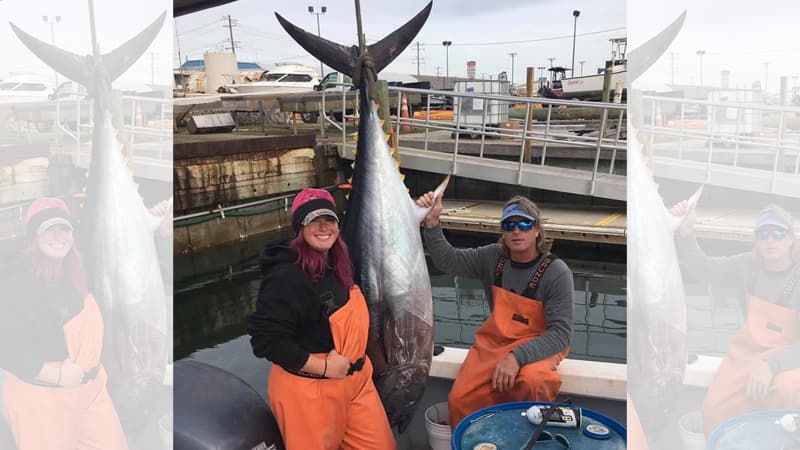
Winter Bluefin Bite Tied to Temperature Change, Anglers Report
A brief FishingStatus post on January 5, 2026 from user Touching Bottom noted a bluefin bite coinciding with a temperature change, offering real-time confirmation that winter bluefin are active where the temp break and structure align. That type of short, local intel matters because it helps skippers and anglers time trips, target feeding lanes, and make gear and bait choices during narrow winter bluefin windows.
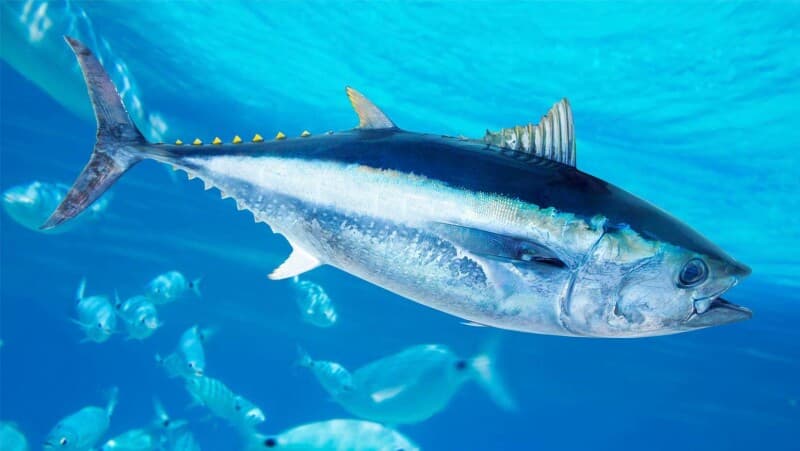
On January 5 a user posting under the name Touching Bottom submitted a short but valuable update to FishingStatus: "Bluefin Tuna on the temp change." The report, posted to a community platform where captains, guides and anglers share short updates on catch conditions, water temperatures and bite triggers, is the kind of immediate field note that many tuna anglers monitor during winter windows.
FishingStatus entries are concise by design, and this one served as an anecdotal confirmation that bluefin responded to a temperature change in the area. Temperature breaks often concentrate bait and create feeding lanes along structure lines. When a temperature shift lines up with reefs, edges or current breaks, bluefin can appear quickly and generate short, intense bites. That pattern makes timely community posts useful for planning day-to-day operations.
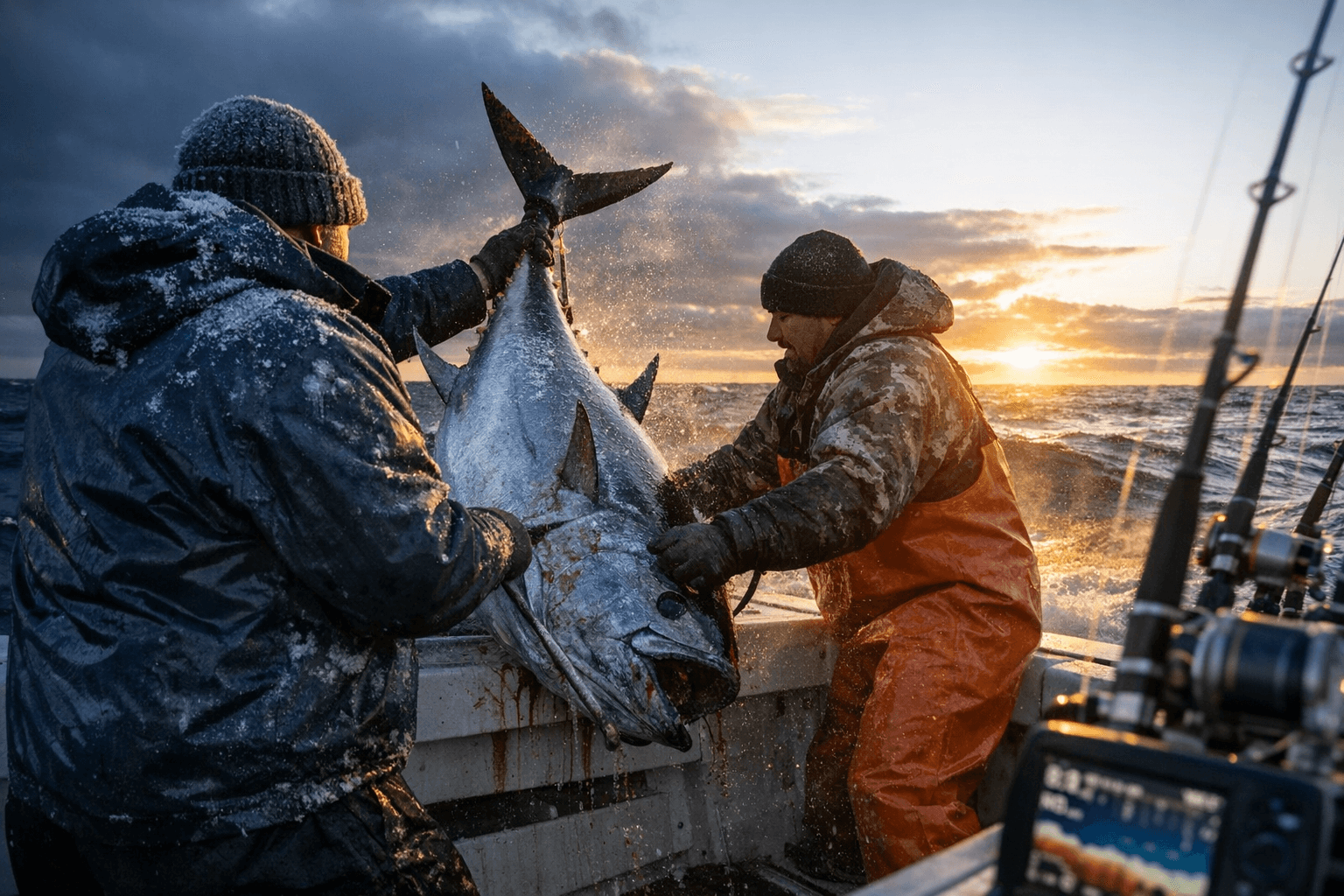
Practical value is straightforward. Check recent FishingStatus updates before departing and compare the timing and location of short posts to your charts and sea-surface temperature maps. Match reported temp breaks to known structure on your own plotter rather than heading blindly to a general area. Verify reports with multiple posts and on-the-water observations before committing long runs. If a report names a temp change but lacks precise coordinates, use local landmarks, depth contours and current lines to narrow the likely zone.
Prepare gear for a winter bluefin opportunity: heavy rods and reels with fresh leaders, appropriate hooks and a mix of live and chunk baits suited to larger tunas. Be ready to deploy chum and live-bait patterns quickly; temperature-change bites can ignite fast and require immediate action to capitalize. Likewise, monitor boat traffic and safety conditions, short windows can attract multiple boats and create crowded conditions on the bite.
Community intel like Touching Bottom’s post does not replace systematic scouting, but it shortens the lag between a bite developing and the fleet responding. Continue to check FishingStatus and other local feeds throughout the day, cross-reference with sea-surface temperature charts, and coordinate with other skippers when a temp break starts producing fish. Those simple steps will turn brief online confirmations into effective on-water results during the winter bluefin season.
Know something we missed? Have a correction or additional information?
Submit a Tip