Assassin’s Creed creator’s 1666: Amsterdam resurfaces with supernatural horror
Patrice Désilets’ long-lost 1666: Amsterdam returned with a 30-minute demo, a free prologue, and a bleak witchcraft pitch that heads to PC Early Access later in 2026.

Patrice Désilets’ 1666: Amsterdam resurfaced with a playable 30-minute demo, new gameplay footage, and a PC Early Access launch planned for later in 2026. The free prologue is already live on Steam and the Epic Games Store, giving players an early look at a project that has spent more than 15 years in and out of limbo.
That alone makes the game unusual, but its pitch is stranger still. Désilets, the creator of Assassin’s Creed, is framing 1666 as a third-person dark, story-led action-adventure built around Noa, the Collector, who uses witchcraft to investigate demonic entities by day and confront them at night. The result feels less like open-world historical tourism and more like a supernatural nightmare set against Dutch Golden Age imagery, a combination that gives the project a visual identity most big-budget action games never attempt.
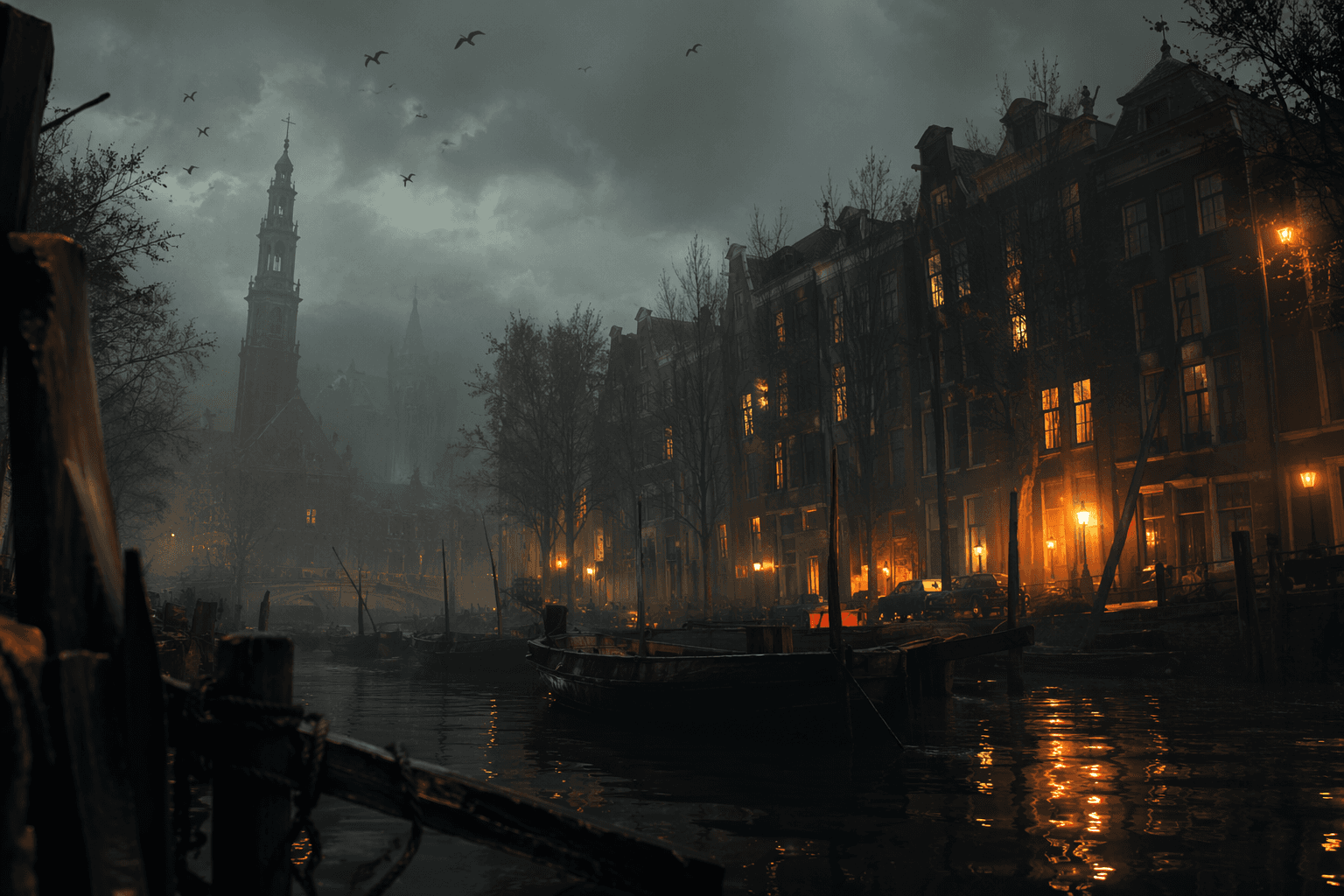
The game’s roots stretch back to 2011, when Désilets began work at THQ Montreal. Earlier reporting in 2013 described it as a possible successor to Assassin’s Creed and said Rembrandt would figure into the game in some way, a detail that now fits the new framing of the project as art-forward horror rather than a conventional period piece. When THQ collapsed, Ubisoft acquired THQ Montreal at auction, Désilets lost the rights to the project again, and the game slipped back into development purgatory.
Désilets regained complete ownership of 1666: Amsterdam in 2016 after settling a legal dispute with Ubisoft, clearing the way for Panache Digital Games to bring the project back into public view. By 2026, the long-delayed title had finally been re-revealed with gameplay to match the myth around it, and the new trailer’s language made the direction explicit: this is not just a historical action game, but a dark fantasy rooted in witchcraft and demonic horror.
That distinction is what makes 1666: Amsterdam stand out in a sequel-heavy release cycle. It is still an ambitious gamble after years of false starts, studio upheaval, and ownership fights, but it is also the kind of left-field project that can cut through the noise when so many big games lean on familiar formulas. The latest demo and trailer finally give the game a real public shape, and this time the weirdness is the selling point.
This article was produced by Prism’s automated news system from verified source data, official records, and press releases, then run through automated quality and moderation checks before publishing. The system is built and supervised by the people who set the standards it runs under. Read our full AI policy.
Did this article answer your question?