China Court Bars AI Replacements in Layoffs, a Win for Game Developers
A Hangzhou court said AI replacement is not a legal excuse for layoffs, and a 40% pay-cut demotion failed. Game workers at NetEase and beyond have reason to pay attention.
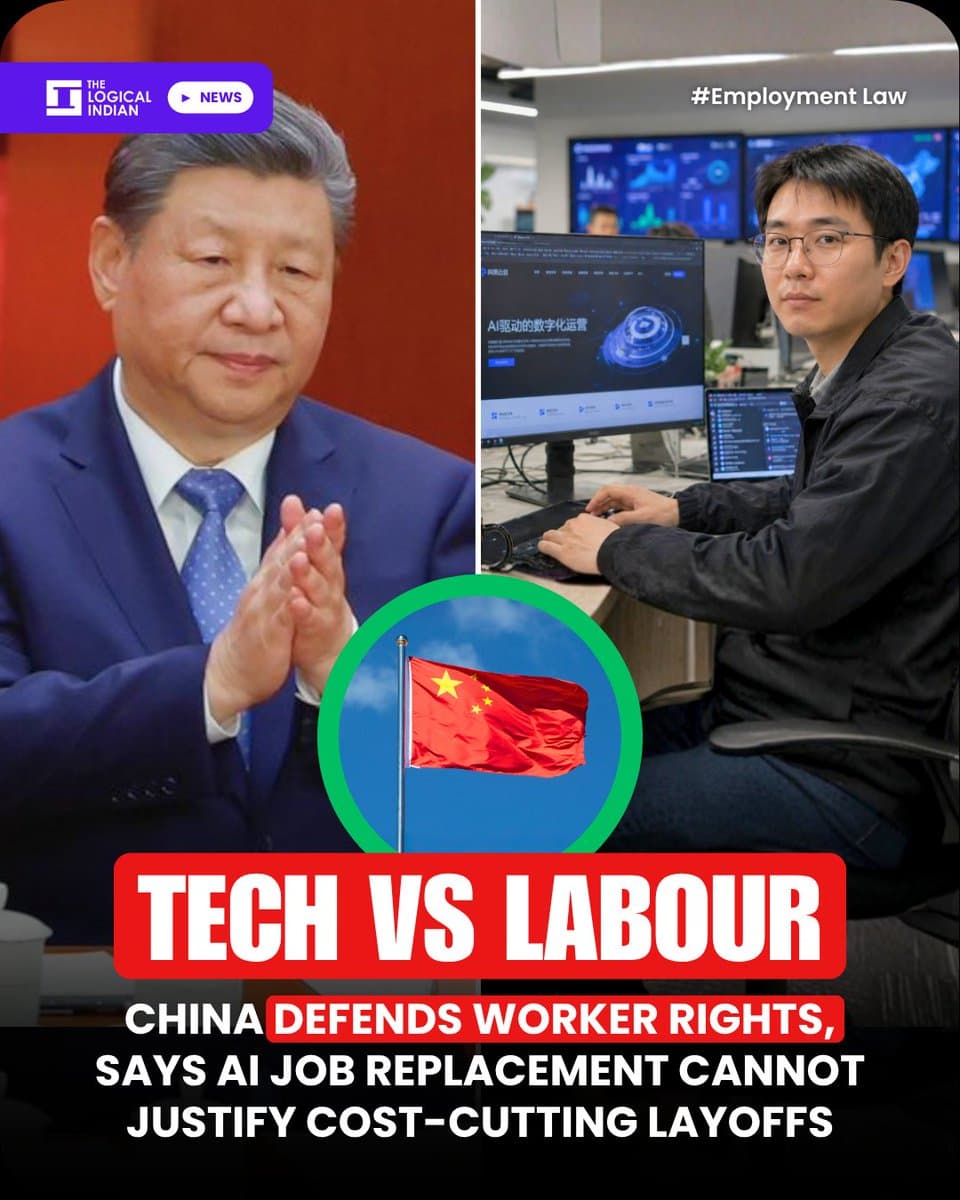
China’s latest labor ruling is the kind of precedent game workers will bookmark: a Hangzhou court said companies cannot fire staff just to swap them for AI, and that a demotion tied to automation is not enough to make a layoff legal. For developers watching cuts at NetEase, including the Identity V side of the business, the message lands as a possible brake on AI-driven restructuring, not just another China labor headline.
The case centered on a worker identified only by the surname Zhou, who was hired in November 2022 as a quality assurance supervisor in Hangzhou, Zhejiang Province. Zhou earned 25,000 yuan a month, about $3,640, and his work included matching user queries with large language models and filtering illegal or privacy-violating content. After the company moved to automate parts of the job, it tried to reassign him to a lower-level role for 15,000 yuan a month, a 40 percent pay cut. Zhou refused, and the company terminated his contract.
He won at labor arbitration, then beat the employer again in district court and on appeal. The Hangzhou Intermediate People’s Court said the AI-driven job replacement did not count as a “major change in the objective circumstances” under China’s Labor Contract Law. It also found the company had not shown Zhou’s contract had become impossible to perform, and it said the reassignment was not reasonable because of the steep salary cut.
The timing gave the ruling extra punch. The court publicized the case on April 30, 2026, just ahead of International Workers’ Day, as one of several “typical examples” meant to show how Chinese law can protect both AI companies and workers. Legal observers in state media said the decision sends a reassuring signal for labor rights even as Chinese firms are under pressure to cut costs in a sluggish economy.
For game studios, the ruling is resonating because it overlaps with a brutal stretch of restructuring. NetEase has been cutting staff and canceling projects across its game division throughout 2025, and founder and CEO William Ding has taken a more hands-on role as the company tightens its operations. That makes the legal distinction important: the court did not block AI adoption itself, but it did say companies cannot dress up an automation choice as an unavoidable event.
The precedent is not limited to one city, either. NPR reported that a separate Beijing arbitration case last year also found an AI-related dismissal unlawful, with the panel saying the switch to AI was a business choice rather than an uncontrollable event. For game developers already staring at layoffs, that is the real shift here: courts may not stop automation, but they may make it harder for employers to use AI as a clean legal wrapper around headcount cuts.
This article was produced by Prism’s automated news system from verified source data, official records, and press releases, then run through automated quality and moderation checks before publishing. The system is built and supervised by the people who set the standards it runs under. Read our full AI policy.
Did this article answer your question?