David Gaider warns generative AI could make game development more fragile
David Gaider says AI’s biggest problem is not speed, it is the extra review work and lost training ground that make RPG pipelines shakier.
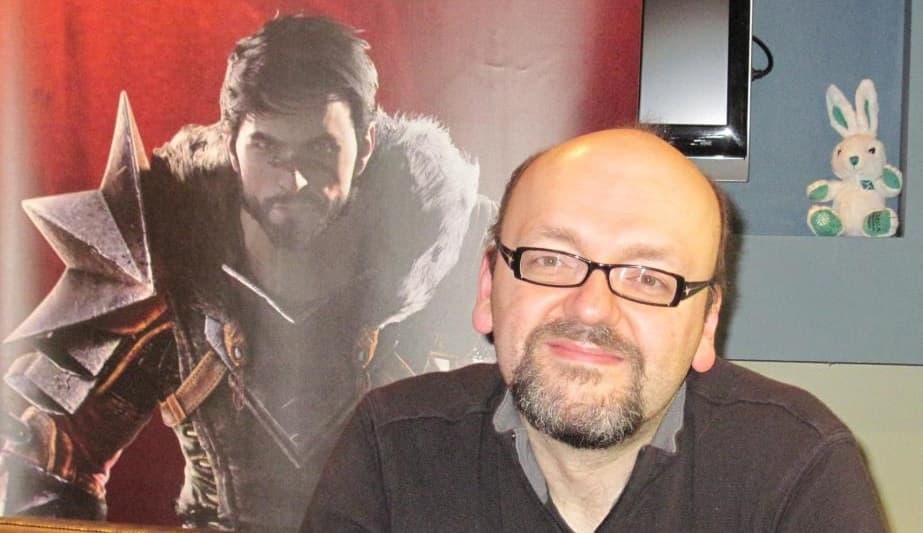
David Gaider said generative AI could make game development harder to manage, not easier, because inconsistent output turns into more work for the people who have to clean it up. In a GamesRadar interview, the former BioWare writer and lead writer on the first three Dragon Age games said AI’s unpredictability would make evaluating, troubleshooting, debugging, and fixing output difficult, wiping out the productivity gains boosters promise once teams have to verify whether the work is usable at all.
Gaider’s sharper warning is about the career ladder underneath the writing room. He argued that if studios lean too heavily on AI for the grunt work, they risk stripping out the entry-level tasks that teach junior developers how production pipelines actually function. That matters in RPGs, where the smaller, repetitive jobs have long been the way new writers, designers, and quest builders learn the rhythms of a live game team before taking on bigger responsibilities. Gaider has already been blunt about AI-generated storytelling, calling it “lackluster” and “soulless.”

The broader industry picture gives that criticism some bite. The 2026 GDC State of the Game Industry report surveyed more than 2,300 game-industry professionals and found that 52% said generative AI was having a negative impact on the industry. Even with that skepticism, 33% of respondents said they personally used GenAI for work tasks. The same survey found that 28% of respondents had been laid off in the past two years, rising to 33% among U.S.-based respondents, while three-fourths of surveyed students said they were worried about their future job prospects, citing the lack of entry-level jobs and AI-led displacement.
Gaider’s BioWare background makes the warning feel less theoretical. He left the studio on January 22, 2016, after 17 years there, and the company has since been through its own upheaval, announcing a restructuring in January 2025 after Dragon Age: The Veilguard underperformed and saying it would refocus on the next Mass Effect. Put together, the message is plain: if AI makes revision more tedious and junior work disappear, the shortcut does not just threaten the writing room, it makes the whole RPG pipeline more fragile.
This article was produced by Prism’s automated news system from verified source data, official records, and press releases, then run through automated quality and moderation checks before publishing. The system is built and supervised by the people who set the standards it runs under. Read our full AI policy.
Did this article answer your question?