Dutch consumer group targets Valve over Steam pricing practices
A Dutch group says Steam’s pricing rules may have inflated PC game bills by more than €220 million since 2013, and Valve’s discount model is now under pressure.
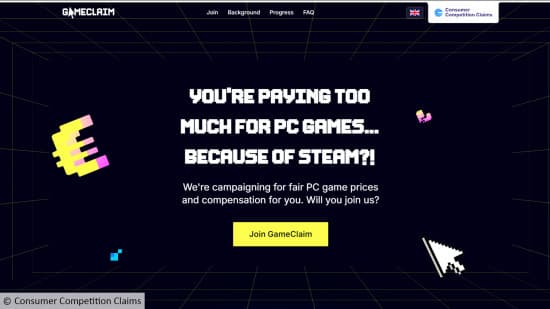
Steam’s pricing rules could end up costing Dutch players real money if a new collective action succeeds. The Consumer Competition Claims Foundation says Valve’s 30% cut and parity clauses pushed publishers to keep prices aligned across Steam, Epic Games Store, Microsoft Store and Ubisoft Connect, which meant fewer meaningful discounts for buyers and less room for cheaper deals elsewhere.
The foundation launched its GameClaim campaign on June 11, 2026, in Utrecht and says Valve has been using those restrictions since at least 2013. It argues the damage goes beyond full-price games and reaches DLC and microtransactions too. The group says Dutch consumers overpaid by more than 220 million euros in total, or more than 130 euros each on average, including interest, and says Copenhagen Economics calculated the losses.

At the center of the complaint are what the foundation calls parity obligations, clauses that allegedly stop publishers from undercutting Steam on rival stores or offering better terms elsewhere. The group says Valve’s market power makes that especially important, pointing to an estimated 85% share of PC game distribution, more than 1 billion accounts worldwide, and more than 2 million users in the Netherlands. It also says it sent Valve a letter holding the company liable and is seeking to stop the conduct and recover compensation for consumers.
Valve disputes the broader idea that it sets prices across third-party storefronts. Gabe Newell has said Valve does not have a policy or practice of dictating prices to developers on other platforms and has argued gamers have “enormous choice.” Steamworks documentation says partners set and manage pricing themselves, while Valve reviews initial prices and proposed changes within one or two business days. Epic Games Store, by comparison, says developers keep 100% of the first $1 million in annual net revenue per product and 88% after that, a 12% fee that stands well below Steam’s standard 30% cut.
The Dutch case does not sit in isolation. In January 2026, a UK tribunal allowed a separate £656 million, or $901 million, collective action against Valve to move forward, and Valve also faces related U.S. litigation over alleged parity restrictions and commissions. If the Dutch action gains traction, Steam’s store rules, discount structure and regional pricing pressure could face a much tougher antitrust fight across Europe, not just in the Netherlands.
This article was produced by Prism’s automated news system from verified source data, official records, and press releases, then run through automated quality and moderation checks before publishing. The system is built and supervised by the people who set the standards it runs under. Read our full AI policy.
Did this article answer your question?