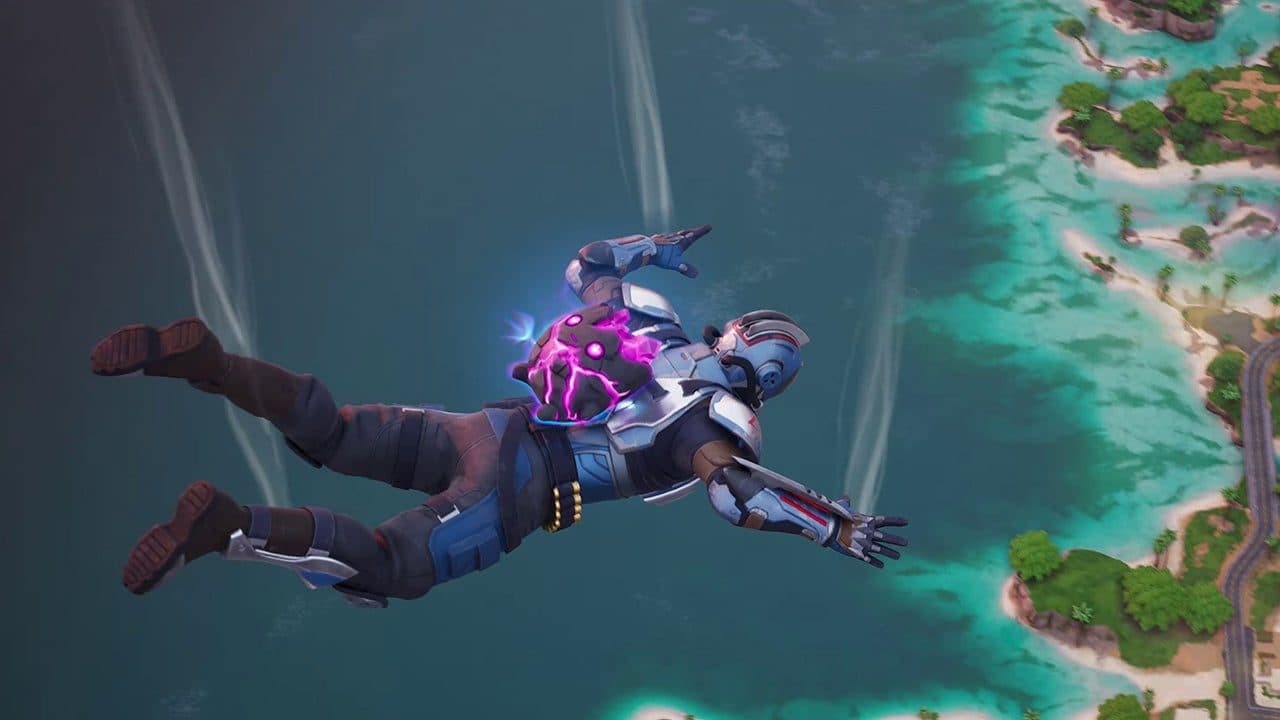
EA Says 85% of Quality Assurance Now Runs on AI Systems
EA says AI now handles 85% of QA work, but the real test is whether that means fewer bugs, leaner teams, or just cheaper game production.

Andrew Wilson put a hard number on EA’s AI turn in Las Vegas: roughly 85% of the company’s quality-assurance work is now handled by machine learning or other AI-driven systems. The Electronic Arts chief executive framed it as automation, not replacement, but the scale is still striking for a publisher whose biggest games depend on relentless testing, fast fixes, and stable live service launches.
Wilson’s pitch is that AI takes the repetitive grind off human testers. Boot-up checks, shut-down checks, crash tests, and other routine passes can run at machine speed, while staff focus on interpreting results, tracking down what actually broke, and deciding what needs a human eye. That is the key line EA is drawing: software does the rote work, people do the judgment calls.
The distinction matters because the company has been telegraphing this direction for years. In May 2024, Wilson said more than half of EA’s development processes would be positively affected by generative AI. By its September 17, 2024 Investor Day, EA was openly tying AI to efficiency, expansion, and transformation across the business, while also saying it aimed to double its global audience to well over a billion people over five years. The message was not just about faster tools. It was about building a larger, more scalable operation.
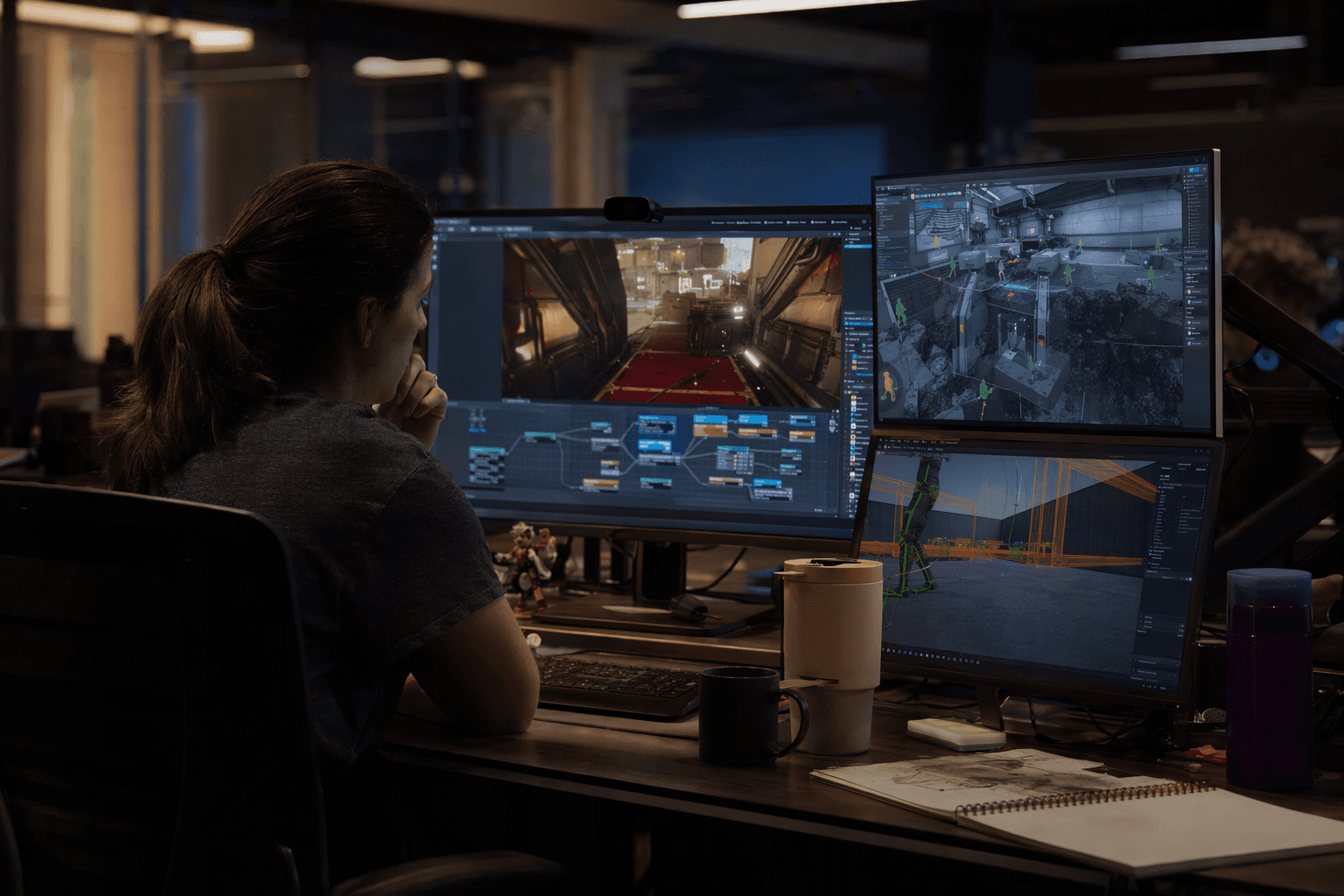
EA has also been explicit about what that scaling can cost. On February 28, 2024, the company said planned business changes would affect about 5% of its workforce. That sits uncomfortably beside the current AI messaging, even if EA insists the goal is to move people into other roles where possible. The tension is obvious: when 85% of QA is AI-assisted, the company may be preserving the title of the job while dramatically changing what the job actually is.
That question lands at a sensitive moment for game labor. Microsoft-owned Raven Software QA workers ratified a contract in 2025, and Activision QA workers earlier formed the largest U.S. video game worker union at the time. QA has become one of the clearest flashpoints in the industry’s fight over automation, job security, and who absorbs the pressure when production gets more aggressive.
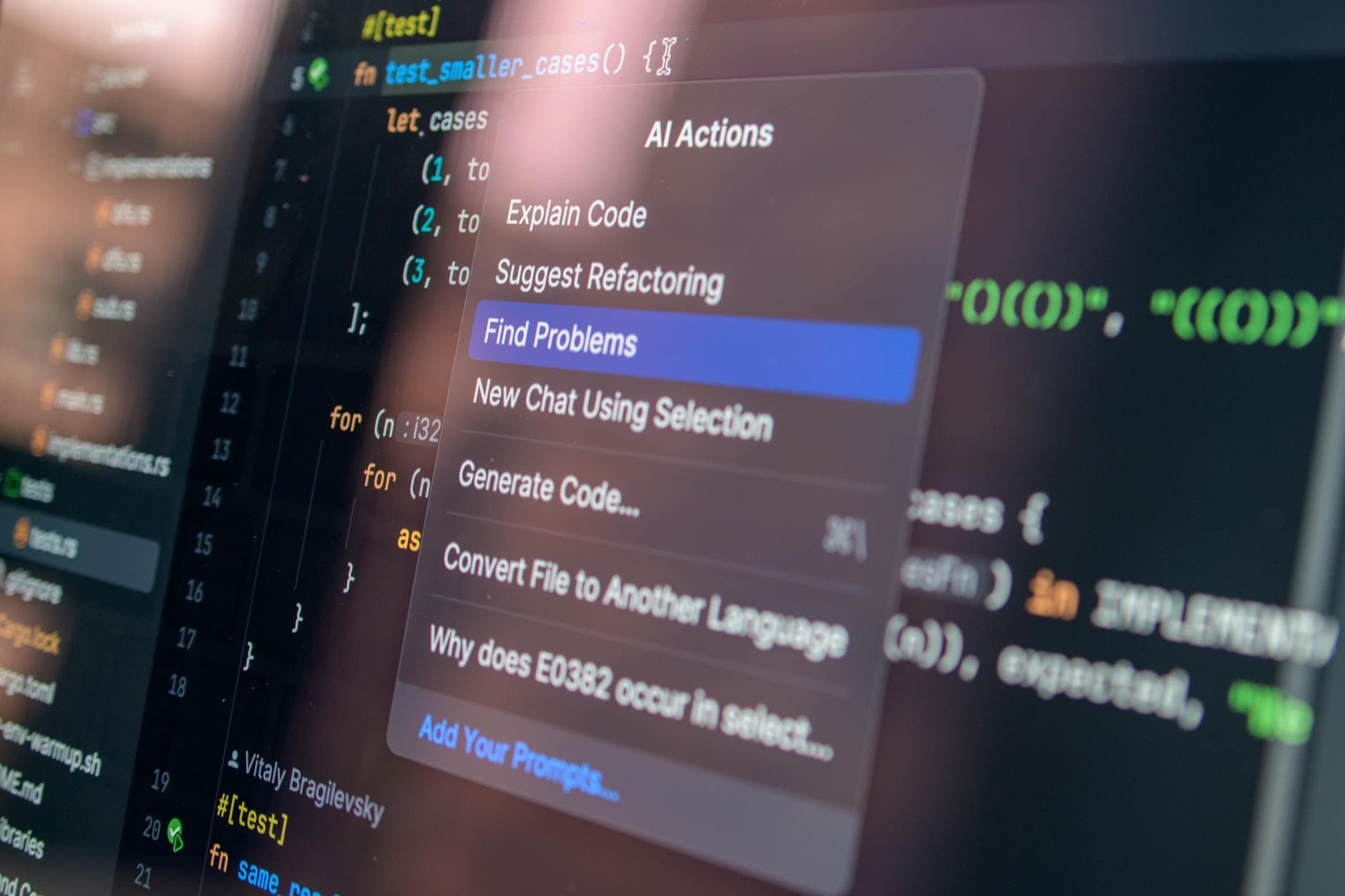
EA is also tying the AI push to its biggest franchises and live-service ambitions. Its March 12, 2026 GDC Festival of Gaming post said the company would return to share insights on AI, game development, and the future of interactive entertainment, and its September 2024 Investor Day also pointed to a Battlefield community testing program set to begin in early 2025. For players, the promise is obvious: faster testing could mean fewer bugs. The risk is just as clear: AI may make production cheaper and more efficient without changing the fact that the final call, and the fallout, still land with human teams.
This article was produced by Prism’s automated news system from verified source data, official records, and press releases, then run through automated quality and moderation checks before publishing. The system is built and supervised by the people who set the standards it runs under. Read our full AI policy.
Did this article answer your question?