Former Gearbox Québec leaders launch Studio Ricochet for original IP games
Two former Gearbox Québec leaders have spun up Studio Ricochet, betting on a lean, premium buy-to-play co-op game instead of another live-service grind.
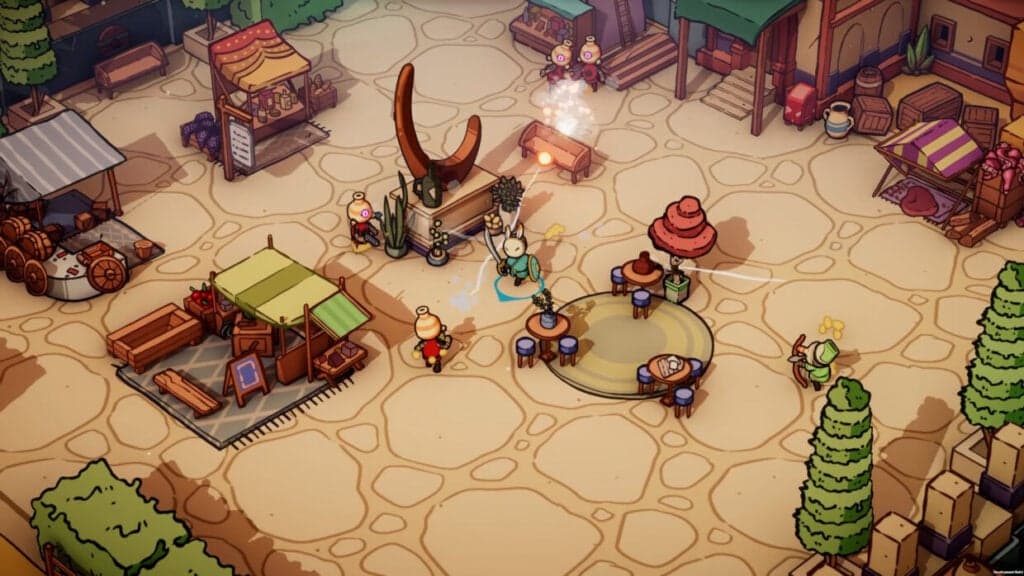
Former Gearbox Studio Québec leaders Sébastien Caisse and Pierre-André Déry have launched Studio Ricochet, and the pitch is clear: build original IP on their own terms, not a bigger studio in a smaller wrapper. The Québec-based indie is already working on an original co-op action-adventure game for PC and console, aiming at a global audience with a model that favors premium, buy-to-play sales over the live-service treadmill.
That matters because Caisse and Déry are not coming in cold. Both left Gearbox in 2024, after years inside a studio that Gearbox opened in Québec in 2015 and later tasked with work on Borderlands 3, Tiny Tina’s Wonderlands, and New Tales from the Borderlands. Studio Ricochet also brings in Yanick Piché, Gearbox’s former director of creative development, and Maxime Babin, a former Borderlands creative director, plus veterans who have worked on Call of Duty, Assassin’s Creed, and other major franchises.

The new studio’s bet is that the market still has room for games that feel expensive and carefully made without carrying the overhead of AAA sprawl. Déry has framed the move as a way to move faster, stay focused, and take creative risks. Caisse has said the company is starting small on purpose, with the plan to prove the vision before scaling around it. That is a sharp contrast to the larger-budget development culture the founders came from, where success often means managing long schedules, big teams, and work tied to existing brands.
The timing also says a lot about where the industry is headed. Canada’s video-game sector more than doubled from 775 firms in 2013 to 1,628 in 2022, and a lot of that growth came from companies with fewer than five employees. In Québec, where 256,600 people were unemployed in 2024 and the unemployment rate stood at 5.3%, experienced developers are still finding ways to turn shutdowns, restructurings, and corporate churn into new studios instead of leaving the field.
Montréal remains one of the industry’s main magnets, with strong links between studios, training centers, and service providers. Gearbox itself once made a major regional push, announcing a $200 million CAD investment in its Montreal studio and 250 tech-sector jobs. Studio Ricochet now joins that same ecosystem from the other side of the equation: not as a satellite for someone else’s franchise, but as another Québec startup trying to prove that veteran talent can still build something original and commercially sharp.
This article was produced by Prism’s automated news system from verified source data, official records, and press releases, then run through automated quality and moderation checks before publishing. The system is built and supervised by the people who set the standards it runs under. Read our full AI policy.
Did this article answer your question?