GameStop Plans $55.5 Billion eBay Buyout to Challenge Amazon
GameStop’s surprise $55.5 billion bid for eBay landed with a meme-stock twist, and the market quickly questioned whether Ryan Cohen could really pull it off.
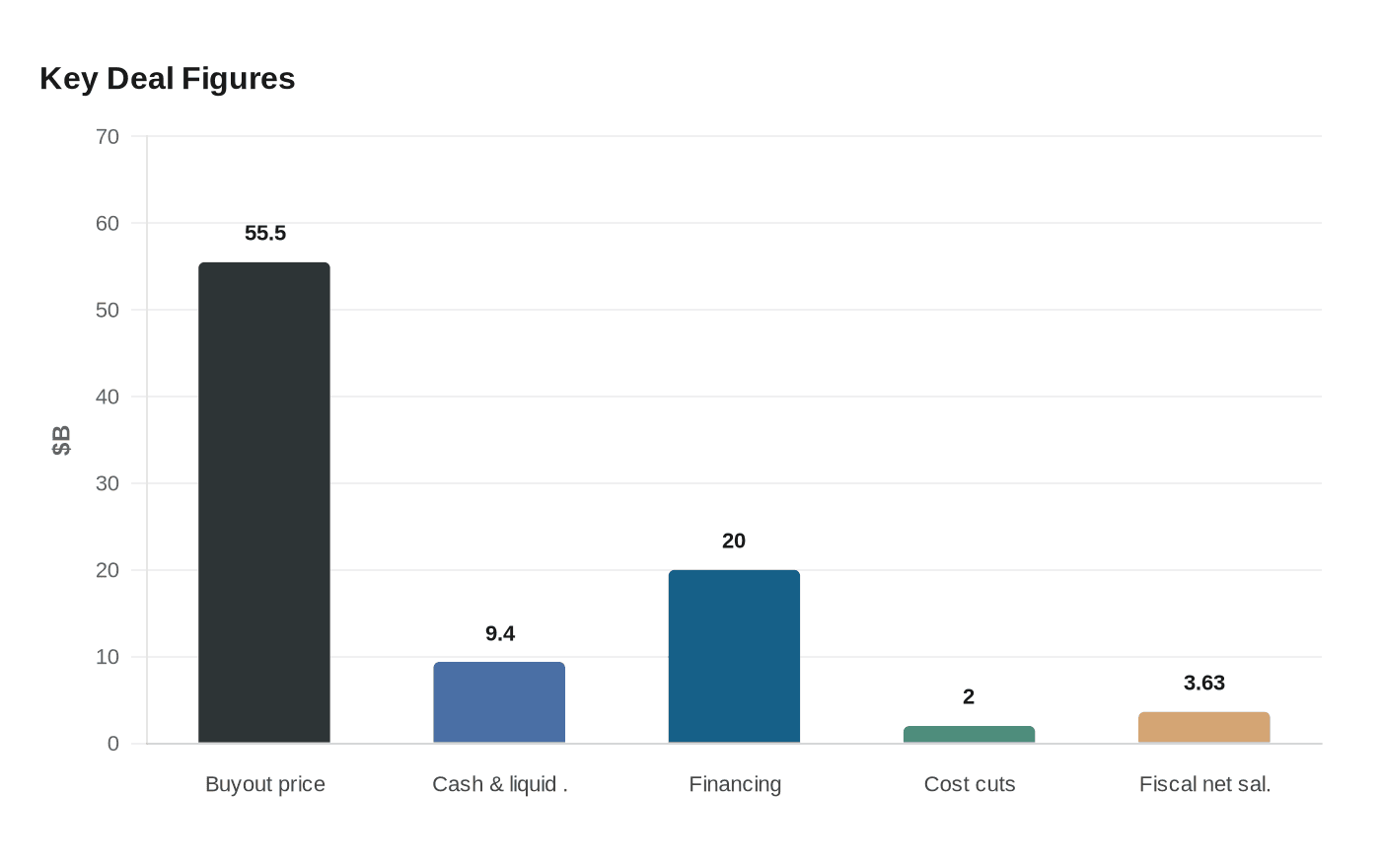
GameStop threw one of the strangest curveballs in recent gaming retail memory when it said it wanted to buy eBay for about $55.5 billion, a move that would stitch together a physical-game heavyweight and one of the internet’s biggest resale marketplaces. The company’s May 3 proposal set the price at $125.00 per eBay share, with consideration split evenly between cash and GameStop stock.
The pitch was not subtle. GameStop said the deal could create a serious rival to Amazon and deliver about $2 billion in annualized cost reductions within 12 months of closing, with savings tied to sales and marketing, product development, and general and administrative costs. It also said it had already built a 5% economic stake in eBay through derivatives and beneficial ownership of common stock, and that it planned to file a Schedule 13D and HSR notification as it pursued the acquisition.
eBay answered on May 4 that it had received the unsolicited, non-binding proposal and had not held prior discussions or outreach with GameStop before the bid landed. The company pointed to its scale, saying it had 135 million buyers across 190 markets, while its management said it remained focused on sustainable growth and shareholder value. The timing and tone of the proposal made the market reaction immediate, with CNBC reporting that eBay shares rose while GameStop shares fell. Traders on Kalshi put only a 26% chance on the deal closing.
Financing became the next pressure point. GameStop said it held about $9.4 billion in cash and liquid investments as of January 31, 2026, and said TD Securities had issued a highly confident letter for up to $20 billion in acquisition financing. But CNBC later reported that the financing letter appeared to depend on the combined company keeping an investment-grade credit profile, while Moody’s said the proposal would be credit negative for eBay because of the leverage involved.
The numbers on GameStop’s own books show why the company is even attempting a bid this large. In fiscal 2025, it reported $3.630 billion in net sales, $418.4 million in net income, and $9.0 billion in cash, cash equivalents and marketable securities at year-end. That gives the Grapevine, Texas retailer a stronger balance sheet than in past years, but the leap from game retailer to eBay owner still looks enormous.
Ryan Cohen’s public posture only intensified the spectacle. Reports said he listed personal and GameStop-related items on eBay and posted that he was selling stuff on eBay to pay for eBay, a stunt that quickly became part of the story. eBay suspended his seller account after the move, with later reports saying the ban was reversed or the account was reinstated. Between the financing questions, the market skepticism, and the absurd publicity loop, the bid became more than a takeover attempt. It turned into a very GameStop story about resale culture, meme-era finance, and how far one company will go to reinvent itself.
Know something we missed? Have a correction or additional information?
Submit a Tip