GDC 2026 Blends AI Hype With Somber Layoff Hangover for Attendees
GDC 2026 drew just 20,000 attendees as AI dominated the show floor while one-third of U.S. developers had been laid off in the past two years.

The Game Developers Conference arrived in San Francisco this year under a new name and a heavier atmosphere. Rebranded as the Festival of Gaming, GDC 2026 drew just 20,000 participants, down from nearly 30,000 the year before, as the industry's worst stretch of job losses in recent memory collided with a redesigned event that many developers felt had misread the room entirely.
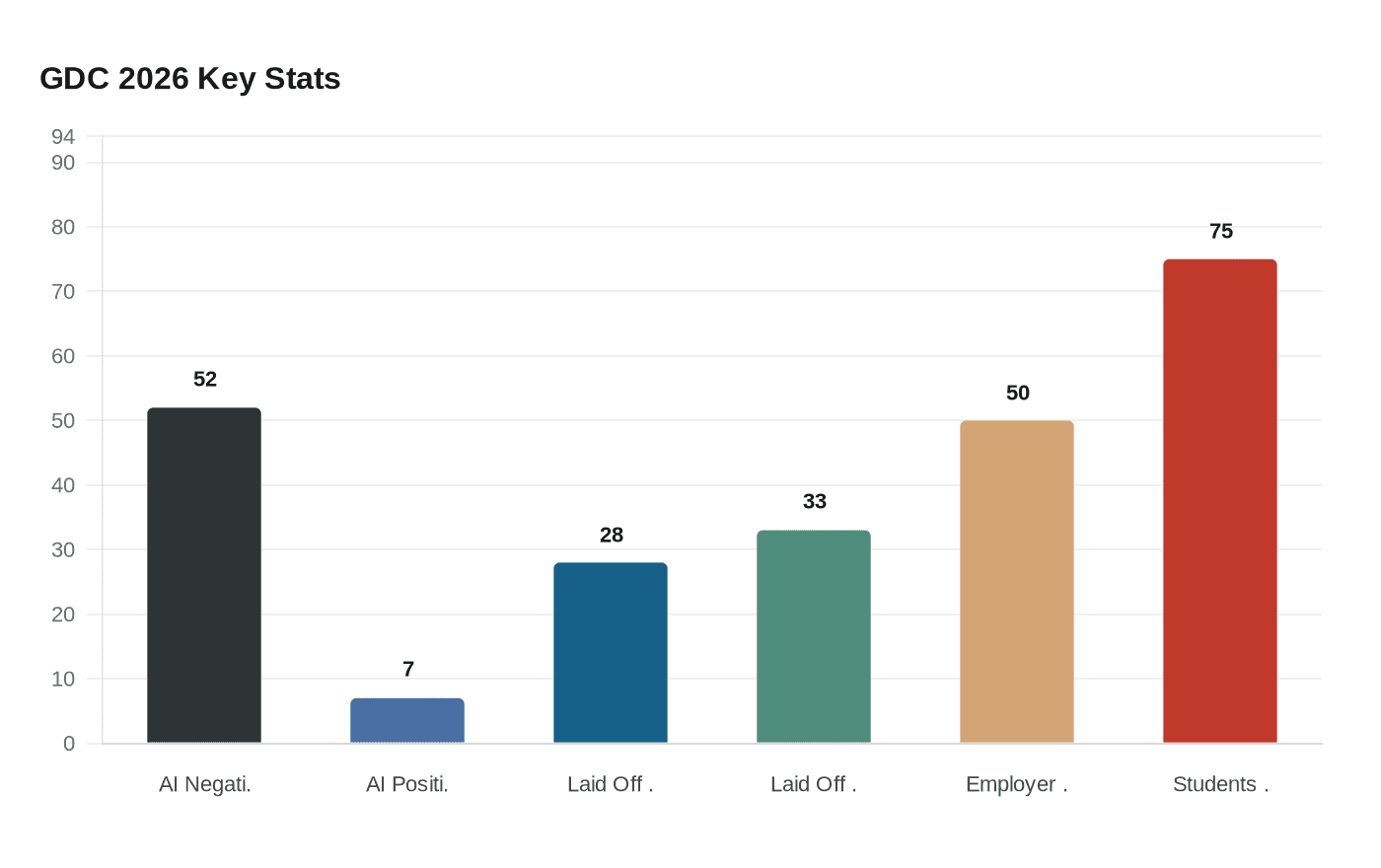
AI tool announcements and demonstrations dominated the show floor, yet the enthusiasm was hard to square with what GDC's own 2026 State of the Game Industry report was showing: 52% of surveyed developers said generative AI negatively impacts the game industry, while only 7% said its effects were positive. That gap between the booth-level optimism and the sentiment in the survey data says a lot about where the industry actually stands right now.
The layoff numbers are stark. Twenty-eight percent of respondents told GDC researchers they had been laid off in the past two years, a figure that climbs to 33% among U.S.-based respondents. Half said their current or most recent employer had conducted layoffs in the past 12 months. Nearly three-quarters of surveyed students said they worried about future job prospects. It is a grim backdrop against which to sell a newly christened festival model complete with new networking formats, a festival hall, and higher-priced passes.
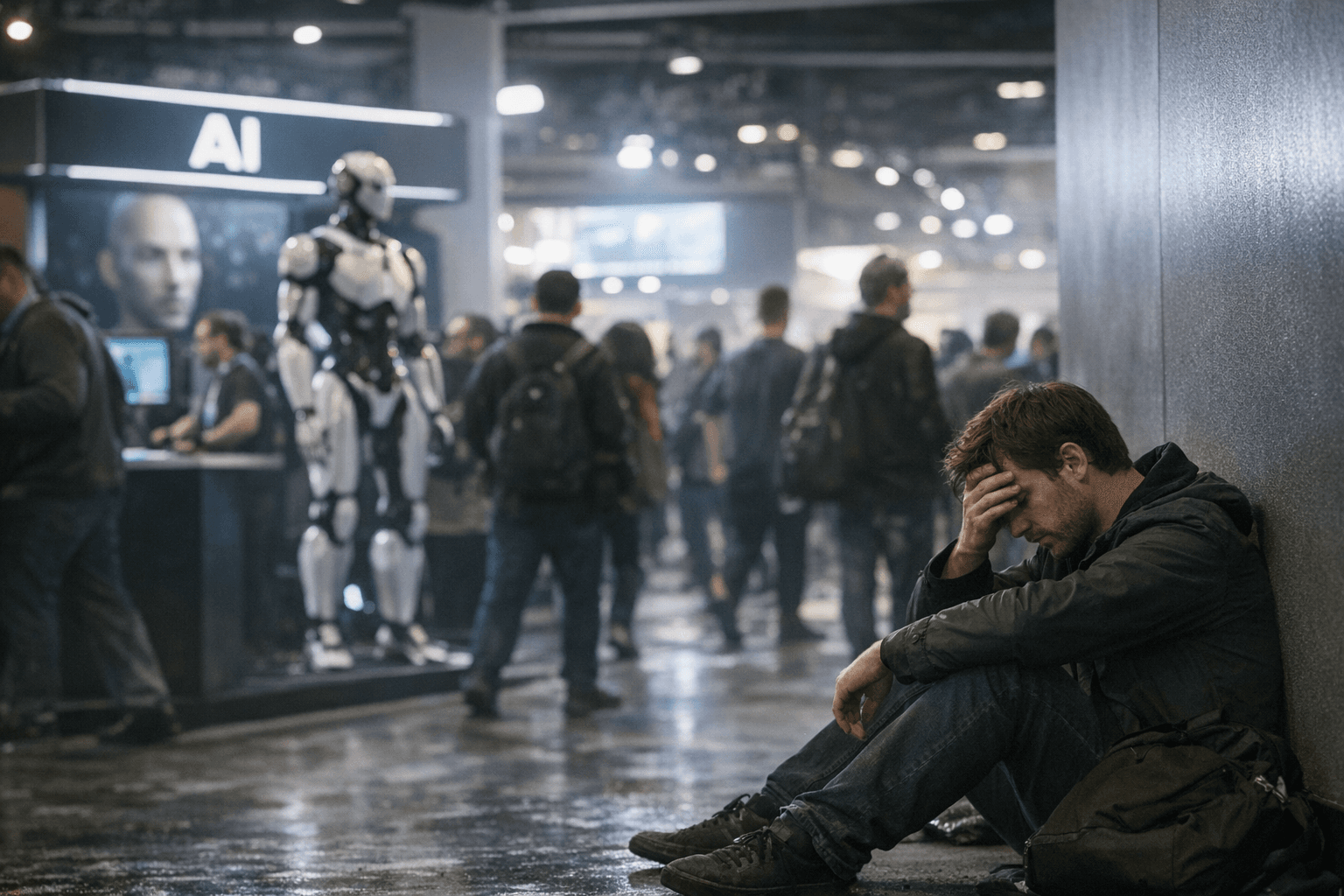
That last point, the price hikes, became a flashpoint. The developer community's criticism was pointed: the redesign felt disconnected from the pressing reality of layoffs and job insecurity that a significant portion of the audience was living through. When the people who built the careers around attending GDC start questioning whether the event still serves them, that is a problem the rebrand alone cannot fix.
Safety and cost concerns compounded the attendance drop. Some developers skipped the event entirely due to border issues, the growing ICE presence in major U.S. cities, and San Francisco's homelessness crisis. Newsweek raised the broader question directly, asking "whether the United States can ever become the home for connecting this global industry again, when so many of its important voices no longer feel safe." That question is no longer rhetorical.
The alternative most frequently mentioned is Gamescom, the annual conference held in Cologne, Germany, which draws a significantly larger crowd. The caveat is real, though: Gamescom's consumer-facing orientation makes it feel closer to the defunct E3 than to the developer-first identity GDC was built on. There is no clean substitute on the table.
Industry media site Game and Word did not mince words, calling GDC 2026 a "wake" and raising concerns about the show's contraction and missing brands. That framing is harsh, but the attendance numbers and the survey data do not offer much ground for a counter-argument. A conference that drops 10,000 attendees year-over-year, doubles down on a festival aesthetic amid mass layoffs, and can no longer guarantee that a meaningful portion of its global audience feels safe traveling to it is facing something more structural than a single bad year.
This article was produced by Prism’s automated news system from verified source data, official records, and press releases, then run through automated quality and moderation checks before publishing. The system is built and supervised by the people who set the standards it runs under. Read our full AI policy.
Did this article answer your question?