Jennifer Hale says studios, not AI, must own the consequences
Jennifer Hale put studios on the hook for AI, as GDC’s latest survey showed only 7% of developers viewed it positively.
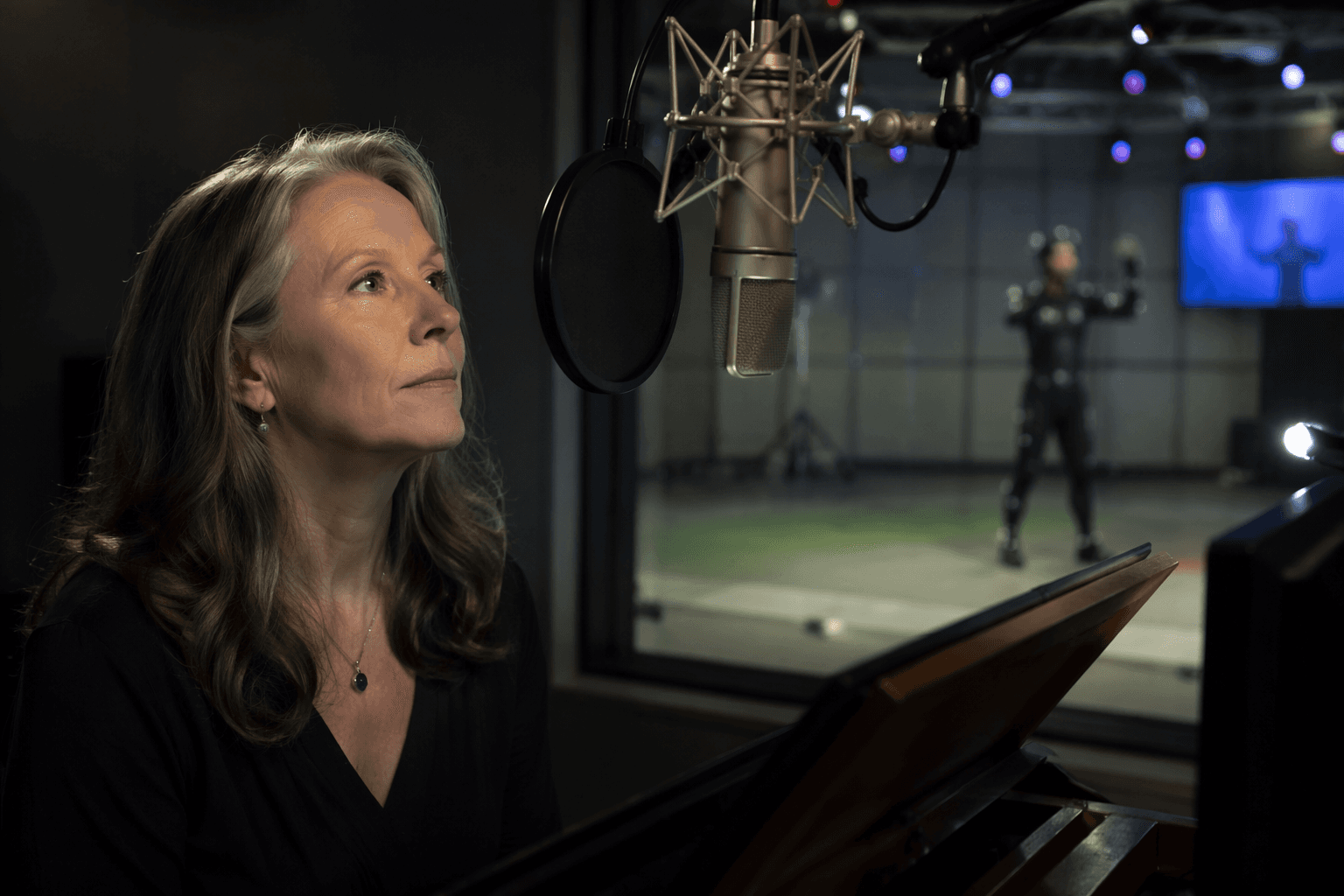
Jennifer Hale made the case that generative AI is not the problem by itself, and that game studios cannot hide behind the tool when the damage lands on performers. In a new interview tied to GDC’s 2026 Trends Report, the Mass Effect, Metal Gear Solid and Baldur’s Gate voice actor pushed responsibility back onto the people making the calls, arguing that the human holding the tool decides what it does.
That framing cuts straight into the fight over synthetic voices, motion capture and licensed likenesses that has defined the last few years of game labor talk. Hale’s point is not that studios can never use AI. It is that they cannot treat AI as a force of nature and then shrug when contracts, consent and compensation get left behind. If an executive chooses to train on a performer’s work, use a digital replica, or deploy a voice model without clear permission, the consequences still belong to the studio.

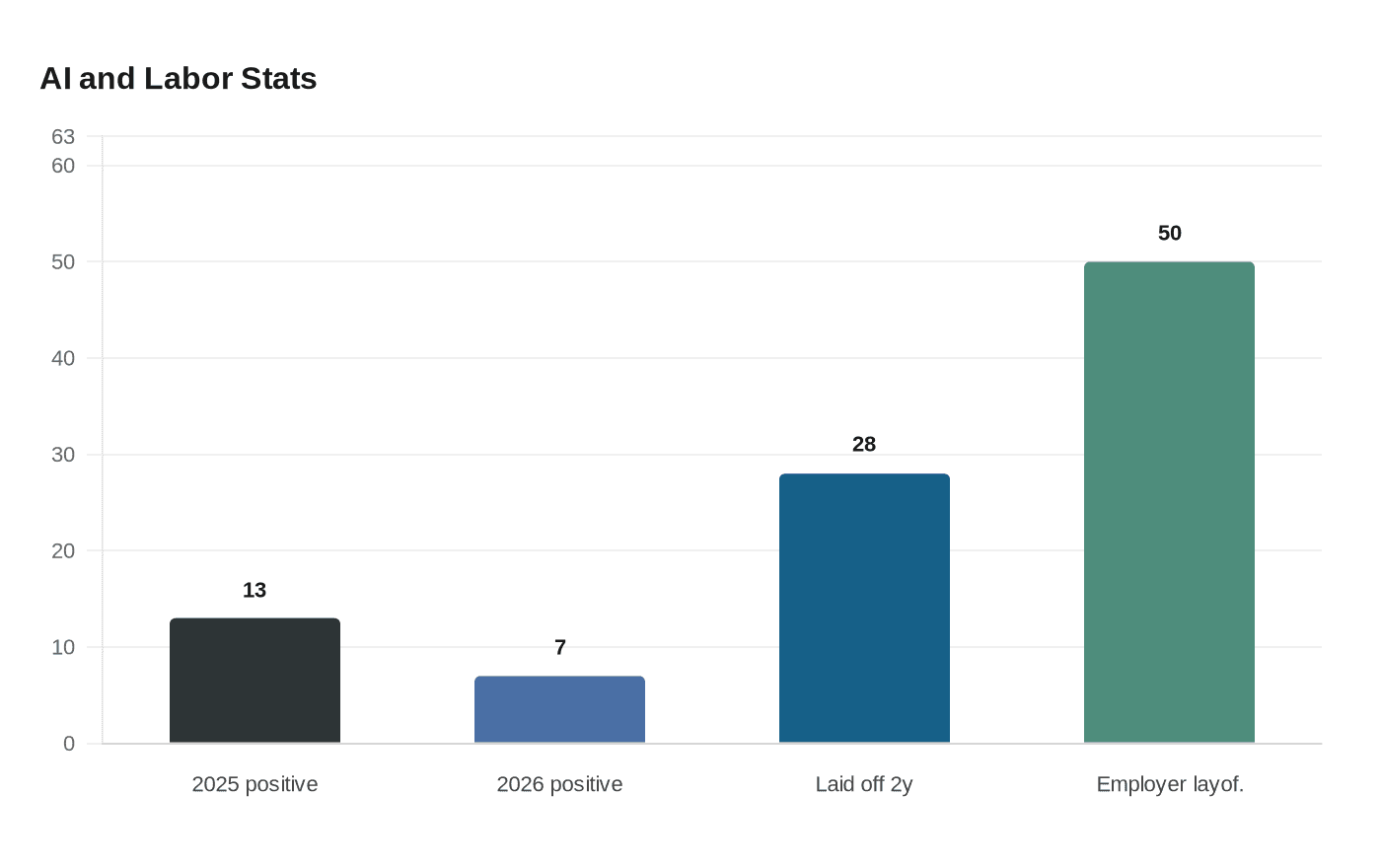
The timing makes the argument harder to dismiss. GDC’s 2026 State of the Game Industry survey found that only 7% of more than 2,300 respondents thought generative AI was having a positive impact on the industry, down from 13% in 2025. The same survey found that 28% of respondents had been laid off in the past two years, and half said their current or most recent employer had carried out layoffs in the past 12 months. That is the backdrop for any conversation about automation in games: not abstract futurism, but a workforce already under pressure.
Hale’s voice carries extra weight because she is not a bystander in the medium. Her official bio says she holds a Guinness World Record as the most prolific female video game voice actor, and other reporting says she held that distinction until 2024. She also has more than 400 acting credits, which makes her one of the most recognizable performers in games when the industry talks about what it owes the people behind the characters.
The labor dispute around those issues has already been real, not theoretical. SAG-AFTRA’s video game strike began in July 2024 after a 98.32% strike authorization vote, with AI protections among the central demands. The 2025 agreement added consent rules and protections for digital replicas. GDC’s 2026 Trends Report places generative AI alongside co-development, advocacy, publishing and financing, which is exactly where Hale’s comments belong: not in a vague debate about machines, but in the concrete question of what responsible studios must disclose, negotiate and own before they press record.
This article was produced by Prism’s automated news system from verified source data, official records, and press releases, then run through automated quality and moderation checks before publishing. The system is built and supervised by the people who set the standards it runs under. Read our full AI policy.
Did this article answer your question?