Judge Signals Skepticism Over Epic, Google Settlement at Pivotal Hearing
Fortnite's legal battle with Google isn't over: Judge Donato scheduled a summer "final act" hearing on Android fees and rival app stores that could reshape what every mobile gamer pays.

Every time you've tapped "buy" on V-Bucks, Primogems, or any other in-game currency through the Google Play Store, Google collected its cut before a single dollar reached the developer. Exactly how large that cut must be, and whether Android users should even have to route purchases through Google Play at all, is now heading toward what a federal judge called the "final act" of a landmark antitrust case.
Judge James Donato of the U.S. District Court for the Northern District of California pressed both Epic Games and Google hard at the April 10 hearing over a proposed settlement the two companies filed late in 2025. Donato made clear he wasn't ready to sign off on the deal, formally scheduling a summer evidentiary hearing and ordering both parties to answer pointed questions drawn from the original 2023 trial record, not from the terms the companies had privately negotiated.
The backstory is essential context. Epic sued Google in 2020, challenging mandatory use of Google Play Billing and the company's grip on Android app distribution. A jury found Google guilty of anticompetitive conduct in 2023, and Donato followed that verdict with a sweeping injunction in 2024 requiring significant changes to how Google operates the Play Store. The proposed 2025 settlement would roll back parts of that injunction in exchange for a revised fee structure and new distribution allowances.
Donato zeroed in on two specifics at Friday's hearing. First, he questioned how Google Play transaction fees would function for direct-to-consumer sales and web shop purchases, the kind of side-channel buying Epic championed as an alternative to mandatory in-app billing. Second, he scrutinized how the settlement would affect Android users' ability to install and run rival app stores. He also flagged that independent expert analysis from MIT economist Nancy Rose remains a live factor in his assessment of whether the deal serves the public interest.
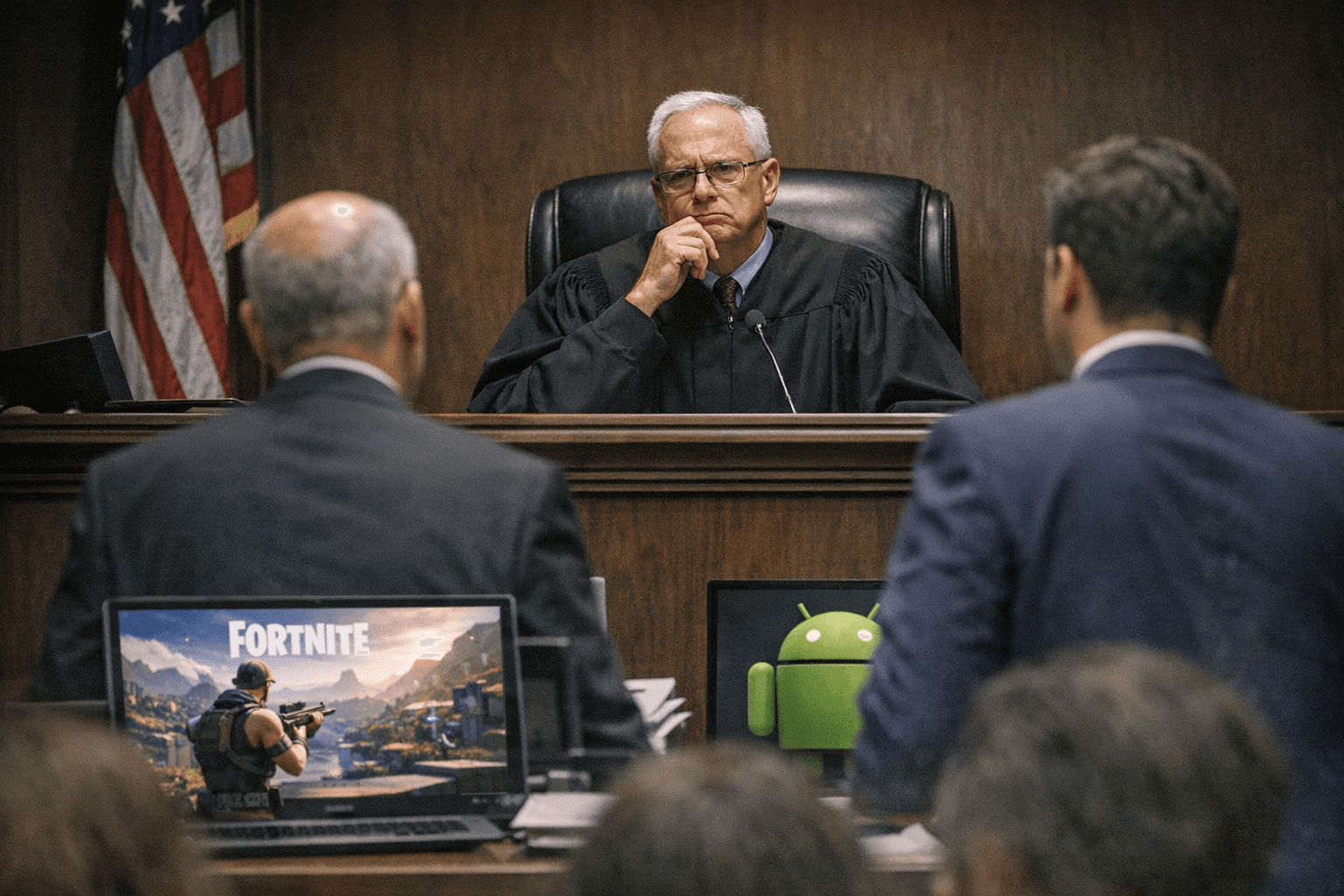
The scenarios downstream from those questions carry real dollar consequences. If Donato rejects the settlement and the 2024 injunction holds, Google remains obligated to permit competing billing systems and rival storefronts on Android. That opens a path for players to purchase in-game content outside Google Play's infrastructure, potentially undercutting the fees embedded in every transaction today. If the settlement is approved instead, its new terms would govern Android app commerce for billions of users and millions of developers for years to come. Sideloading friction, store competition, and revenue-sharing rates all hang on which version of the rules survives the summer.
With Donato signaling that any justification must be "rooted in the original trial evidence," neither side walks into that evidentiary hearing on easy footing. For the Android gaming ecosystem, the final act may also prove the most expensive one.
This article was produced by Prism’s automated news system from verified source data, official records, and press releases, then run through automated quality and moderation checks before publishing. The system is built and supervised by the people who set the standards it runs under. Read our full AI policy.
Did this article answer your question?