Kepler Interactive launches Reset magazine to frame games as culture
Kepler Interactive turned its first magazine into a branding tool, with Reset built to place games beside fashion, music, art, and architecture.
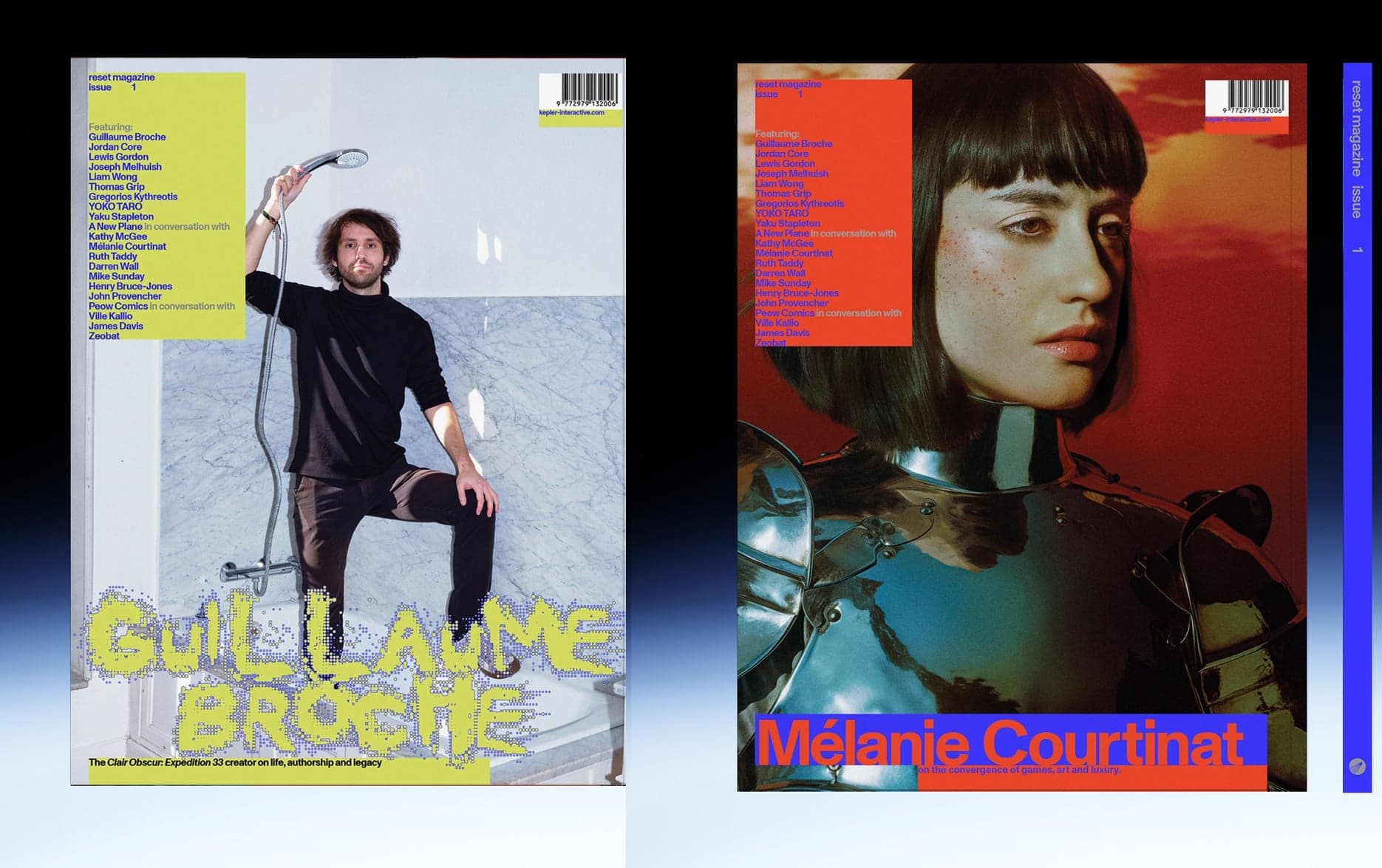
Kepler Interactive is using print to make a cultural argument. Reset is not being positioned as a nostalgia side project or a coffee-table vanity item, but as a way to expand the publisher’s footprint and give its games a more permanent, curated frame.
The first issue makes that ambition concrete. Reset Issue 1 is priced at £20.00, comes in a 240 by 310 mm format, runs 200 pages, and uses 4-color offset plus 2 spot colors. Kepler is also offering three reverse-cover variants, with shipping slated to begin in late May 2026. The magazine will be sold first through Kepler’s new online store, with physical retail distribution planned later.
The editorial lineup is built to signal taste, not just promote releases. Issue 1 features cover stories on Clair Obscur: Expedition 33 creative director Guillaume Broche, fashion designer Yaku, and artist Mélanie Courtinat. It also includes interviews or contributions from Yoko Taro, Ville Kallio, Thomas Grip, Darren Wall, Liam Wong, Gregorios Kythreotis, Peow, Mike Sunday, and Zeobat. That mix makes the magazine look less like a standard publisher brochure and more like a deliberate attempt to place game creators in the same conversation as adjacent art forms.

That is the real business play here. Kepler, which is headquartered in London, says it curates partnerships with developers worldwide around experimental game design and unique art direction. Reset extends that identity into editorial, with a design-led presentation that treats video games as part of the current cultural landscape alongside architecture, fashion, music, and art. Simon Sweeney, brought on three years ago to help launch the project, framed it as a magazine for the first generation that grew up taking games seriously, one that should feel closer to a fashion magazine or art object than a conventional games magazine.
For Kepler, the payoff is less about magazine revenue than about prestige and positioning. A printed object with a fixed page count, premium production, and collectible cover variants carries a different kind of weight than the churn of posts, trailers, and patch notes that defines most games coverage. Reset is trying to slow that cycle down and make Kepler itself look like a cultural label, not just a publisher.

That is why the magazine matters beyond the shelf. By launching Reset, Kepler is trying to claim a bigger idea of what a game publisher can be, and it is doing it with paper, ink, and a format built to last.
This article was produced by Prism’s automated news system from verified source data, official records, and press releases, then run through automated quality and moderation checks before publishing. The system is built and supervised by the people who set the standards it runs under. Read our full AI policy.
Did this article answer your question?