Microsoft Reveals Project Helix Tech at GDC 2026, Promising Massive Ray Tracing Leap
Xbox VP Jason Ronald promised an "order of magnitude" ray tracing leap for Project Helix at GDC 2026, with dev kits hitting studios in 2027.
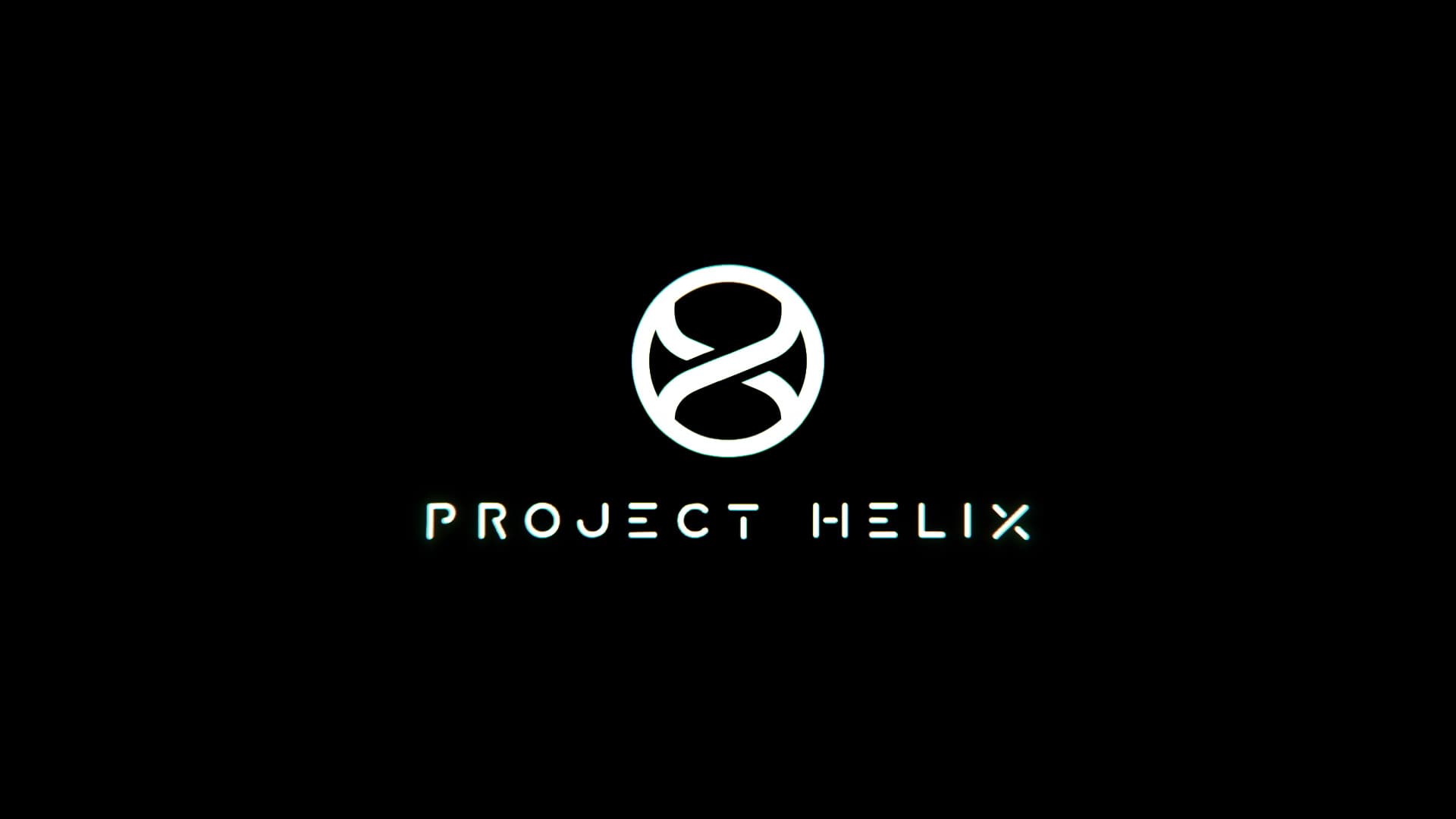
Xbox VP of Next Generation Jason Ronald took the stage at San Francisco's GDC Festival of Gaming on March 11 and pulled back the curtain on Project Helix's rendering ambitions, centering the pitch on a claim that will either prove transformative or become the most-scrutinized boast in console history: an "order of magnitude" increase in ray tracing performance and capability beyond what Xbox Series X and S can deliver today.
The hardware running all of it is a custom AMD system-on-chip, co-designed alongside the next generation of DirectX and AMD's FSR Next upscaling technology. Ronald described the platform as purpose-built to "bring intelligence directly into the graphics and compute pipeline," and made clear that machine learning isn't a bolt-on feature here. "This is really designed for that next generation of neural rendering techniques. Whether that's neural materials. Whether that's generated images. Or even if you think about things like the latest ML-based upscaling techniques or super resolution techniques," he said.
The slide Microsoft showed during the session gave the clearest technical inventory yet of Helix's rendering stack. Listed features include AMD FSR Next, ML Multi Frame Generation, GPU Directed Work Graph Execution, next-gen ray regeneration for both real-time ray tracing and path tracing, neural texture compression, deep texture compression, and DirectStorage with Zstd compression. Ronald singled out GPU Directed Work Graph Execution specifically as a mechanism to eliminate CPU bottlenecks, a long-standing pain point for developers trying to push rendering workloads. Microsoft has not released clock speeds, core counts, teraflops, or any deeper microarchitectural specs beyond the slide, so that feature list is currently the full public picture.
On ray regeneration, Ronald was specific: "There's even new capabilities, such as a brand new ray regeneration technique that's really designed to deliver high performance ray tracing for both real-time ray tracing and path tracing." Path tracing support on a console at this performance tier would be a meaningful step up from where current-gen hardware sits.
Microsoft's statement from the session framed the AMD partnership in deliberate terms: "Project Helix is powered by a custom AMD SoC and co-designed for the next generation of DirectX and FSR to unlock what comes next. It delivers an order of magnitude leap in ray tracing performance and capability, integrates intelligence directly into the graphics and compute pipeline, and drives meaningful gains in efficiency, scale, and visual ambition."
Worth noting for anyone tracking the FSR naming: multiple outlets reporting directly from the hardware slide cite "AMD FSR Next" as the listed upscaling path, while Windows Central used the term "FSR Diamond" in its headline. Microsoft's own session materials and several live slide reports consistently reference FSR Next, so treat that as the confirmed slide text until Microsoft clarifies any consumer-facing branding.
Ronald also confirmed the platform will run both Xbox console games and PC titles, including games from storefronts like Steam and Epic Games, a detail Windows Central flagged explicitly. This aligns with Xbox CEO Asha Sharma's March 5 reveal of the Project Helix codename, when she stated the system would "lead in performance" and play both Xbox and PC games.
For developers, the immediate headline out of the session is the 2027 timeline: Microsoft plans to ship alpha hardware to studios beginning that year. No retail launch date was provided, placing Helix firmly in early developer-phase territory rather than anything approaching a consumer release window. The Xbox Play Anywhere catalog currently spans more than 1,500 games, and Xbox Mode is set to begin rolling out to Windows 11 in select markets starting in April, extending the platform's reach before Helix hardware exists in anyone's hands.
The "order of magnitude" claim carries real weight if Microsoft can back it with numbers when deeper specs eventually drop. Until then, the GDC slide is all developers and players have to go on.
This article was produced by Prism’s automated news system from verified source data, official records, and press releases, then run through automated quality and moderation checks before publishing. The system is built and supervised by the people who set the standards it runs under. Read our full AI policy.
Did this article answer your question?