Mindtail raises $2 million to build AI-native mobile games
Mindtail’s $2 million raise is really a bet on faster mobile-game production, not a flashy AI feature for players.
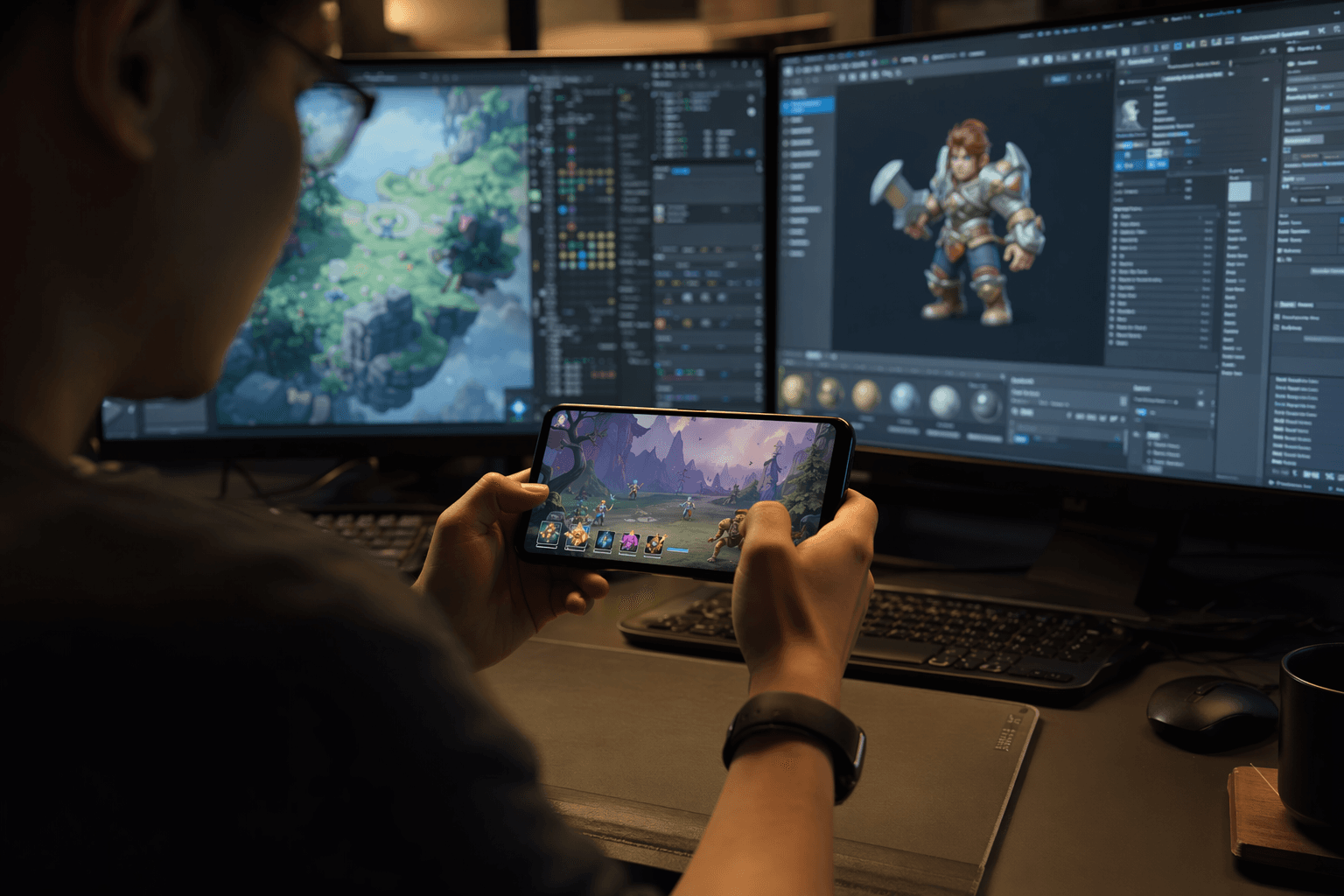
Mindtail’s $2 million pre-seed round is less about a single gimmick than a production bet: the Istanbul mobile studio wants AI to speed up how it builds, tests, and scales hybrid casual puzzle games. The company said the money will help it triple its team in the near term, stand up the infrastructure for AI-driven production, and get its first game out soon.
APY Ventures led the round, with Inveo Ventures and Ak Portföy GSYF also participating. A syndicated press release identified Mindtail’s founders as R. Tamer Özgen, Umut Yıldız, Sarper Karabağ, and Doğuşcan Öztürk. Mindtail has positioned itself around what it calls an AI-native production model, aiming squarely at the hybrid casual puzzle segment, one of mobile’s most crowded and competitive lanes.
That pitch matters because it gets to the real consumer question: what changes for the player if a studio calls itself AI-native? So far, the answer looks less like a brand-new gameplay language and more like a faster, more flexible way to make mobile games. The funding is earmarked not just for team growth and production infrastructure, but also for marketing tests, which suggests Mindtail is using AI to shorten the loop between idea, build, ad test, and iteration. If that works, the player-facing difference may show up as more frequent content updates, sharper live tuning, and a quicker cadence of puzzle variants rather than some obvious on-screen AI feature.
R. Tamer Özgen framed the raise as the point where the team’s accumulated experience becomes a real company strategy. Mindtail says it wants to combine lessons from products that reached hundreds of millions of players with an AI-native approach, and that is the part mobile people will watch closely. In a genre where the basics often decide everything, from onboarding to ad mediation to level pacing, a studio that can move faster than rivals has a real edge. But faster asset production alone is not a new game design, and players have learned to be skeptical of any pitch that dresses up cheaper content pipelines as innovation.
The timing also lands in a wider industry argument over generative AI. Recent GDC 2026 survey coverage found that 52% of game developers said generative AI was having a negative impact on the industry, up from 18% two years earlier. That skepticism is the backdrop for Mindtail’s raise: investors are backing a team that is openly promising AI-enabled output, while the studio is betting the label will help it stand out in a crowded mobile market. Türkiye’s game sector gives the move extra weight, with investors continuing to pour cash into local studios and mobile still dominating the market. Mindtail now has to prove that AI-native means more than faster tooling, and that its first game can turn that claim into something players can actually feel.
This article was produced by Prism’s automated news system from verified source data, official records, and press releases, then run through automated quality and moderation checks before publishing. The system is built and supervised by the people who set the standards it runs under. Read our full AI policy.
Did this article answer your question?