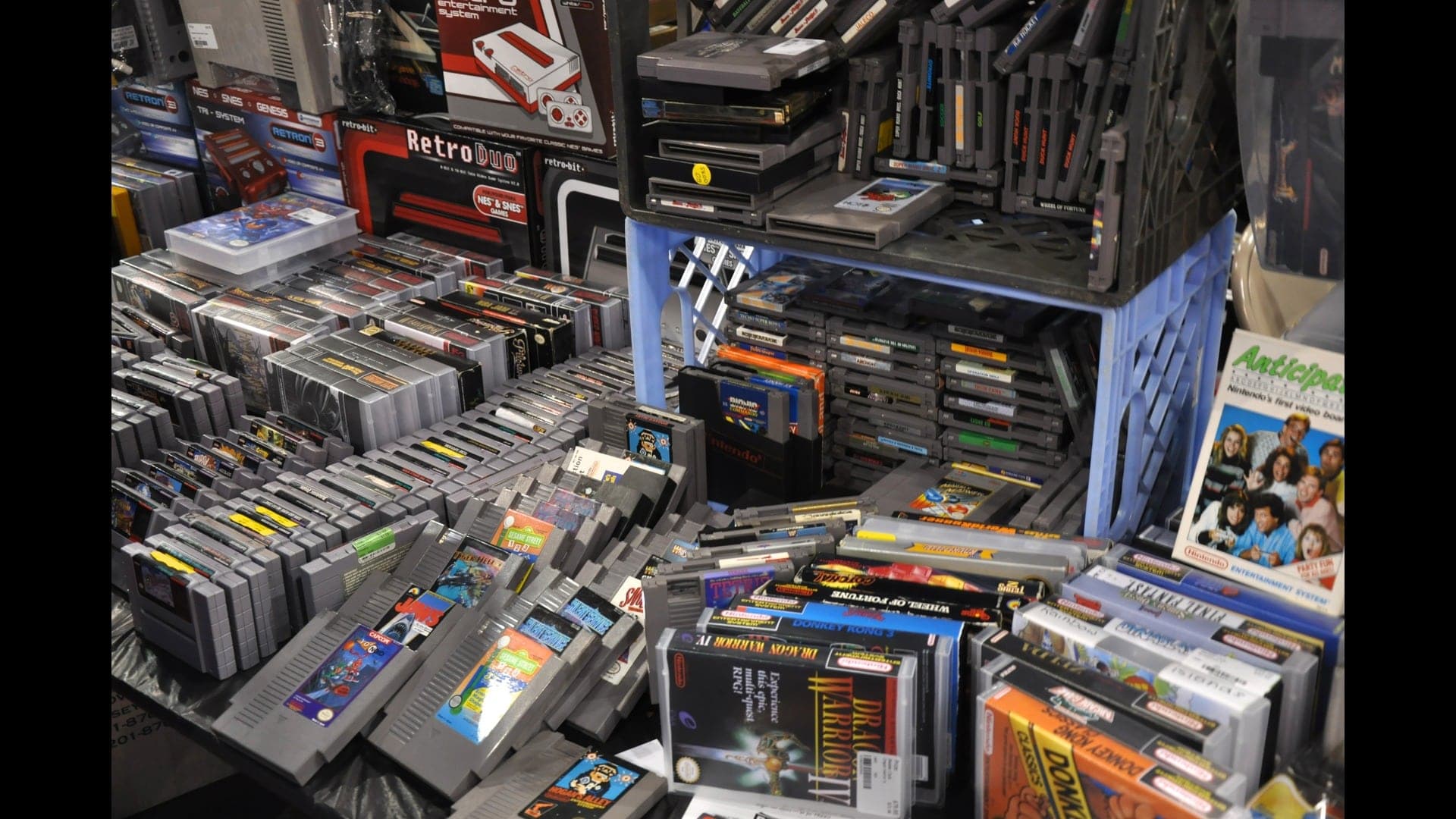
Modders keep dead multiplayer games alive with custom servers
When publishers move on, modders and preservation groups can still bring a multiplayer world back to life, keeping the game social, playable, and worth remembering.
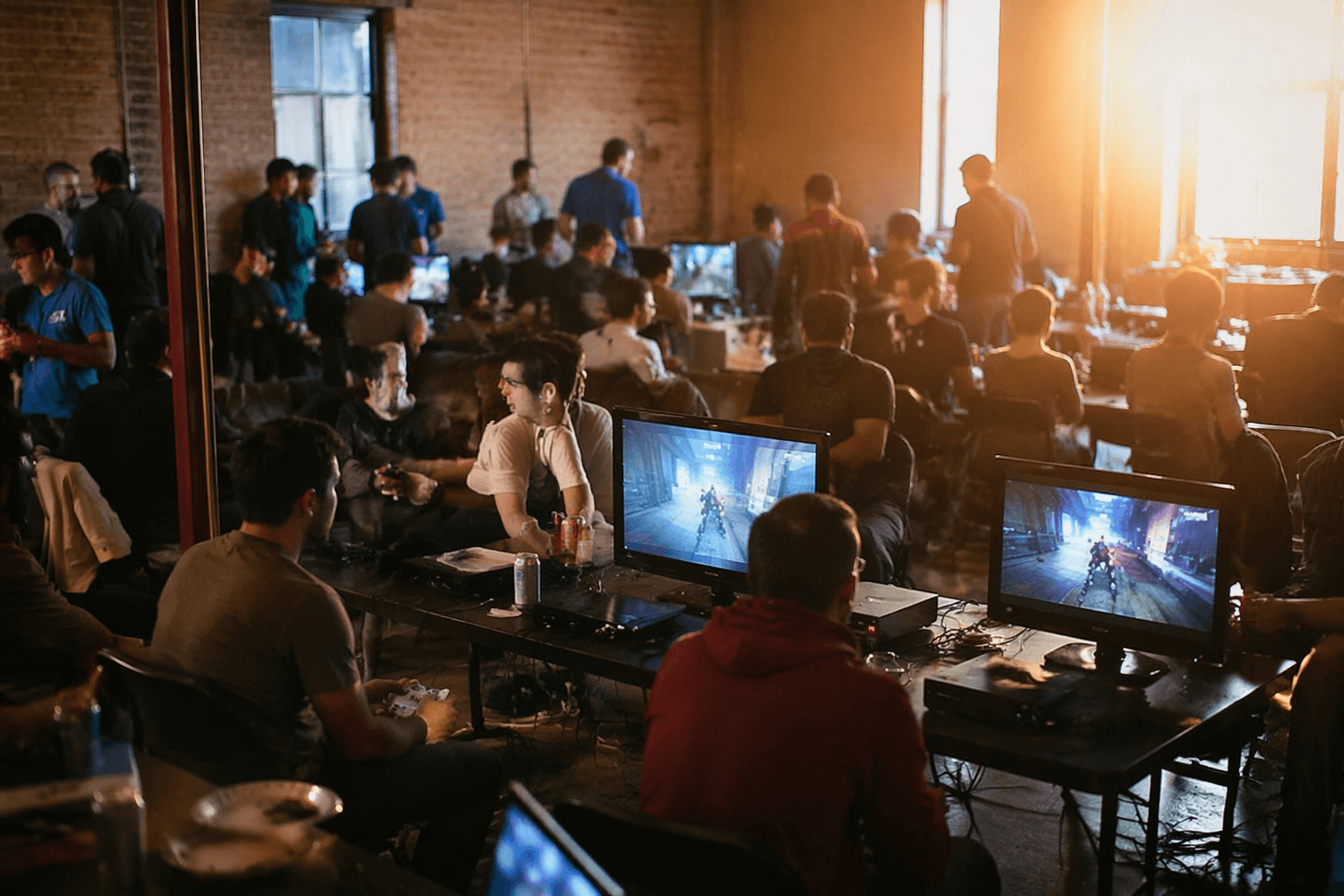
The real afterlife of a multiplayer game
When official support ends, a multiplayer game does not always disappear. In a lot of communities, that is the moment modders, server emulation teams, and preservation groups step in and refuse to let the social side of the game die. They rebuild the pieces players actually felt every night, from matchmaking and lobby systems to authentication flows, so a closed service can still be played in some form.
That work is not a perfect replacement for the original publisher-run service, and it rarely pretends to be. What it does offer is continuity. A game that would otherwise be gone can still host custom matches, support co-op, or keep a familiar multiplayer loop alive long after the official servers have been switched off.
What fan-run servers actually restore
Custom servers and emulation projects can do much more than simply reconnect old clients. Some focus on quality-of-life patches, the kind of fixes that make a game less brittle and easier to run today. Others go deeper, recreating the systems that once handled player login, lobby creation, and matchmaking, which are the parts that made a multiplayer game feel like a living service rather than a static download.
That difference matters because online games are built around infrastructure as much as they are around maps, guns, classes, or modes. If a fan project can rebuild the right pieces, it can preserve the rhythm of a game that was designed around public queues, private rooms, or cooperative sessions. Even if the recreation is partial, the result can still preserve enough of the original experience to make a dead game worth revisiting.
The technical challenge is that every revival is specific to the game in question. A title with strong mod support or simple network behavior may be easier to bring back. One built around tightly controlled services, proprietary systems, or layered account checks can take far more work to stabilize.
Why these games matter as history, not just nostalgia
The case for preservation goes well beyond sentiment. Multiplayer games are social records. They capture the habits of a particular era, including map design, balance philosophies, voice chat culture, community tournaments, and the ways players organized around a game’s systems. That record can vanish if the game disappears completely, even when the community around it still remembers how it worked.
That is why preservation projects are more than hobbyist repairs. By maintaining executables, documenting network behavior, and archiving fan knowledge before it fades, they help protect a body of interactive history that does not exist anywhere else. A server build, a packet trace, or a community-written guide can reveal how players actually experienced the game, not just how it was marketed.
For historians and developers, that material has practical value too. Preserved multiplayer code and community documentation can show how online design evolved, what failed, and what kept people engaged. In that sense, a revived server is not only a play space. It is a working archive of design decisions, player behavior, and technical tradeoffs.
The limits of revival
None of this is easy, and not every dead game can be brought back cleanly. Some depend on proprietary back-end services that cannot be reproduced without major reverse engineering. Others rely on third-party authentication or anti-cheat systems that are especially difficult to rebuild in a stable way.
That is where the tension between fan stewardship and publisher control becomes unavoidable. The publisher owns the original service and the legal rights that surround it, but the community often ends up doing the labor that keeps the game culturally alive. Preservation groups can keep a game playable in some form, yet they usually do so in a landscape shaped by copyright risk, platform policy, and the threat that a project could be shut down before it matures.
Those obstacles help explain why preservation is rarely a straight technical project. It is also a negotiation over access, ownership, and what kind of work is allowed after a commercial life has ended. When a game’s online systems are closed off, the remaining question is not only whether fans can rebuild them. It is whether they should have to in the first place.
Who is responsible for keeping online game history alive
The most important lesson from custom servers is that a game’s life does not necessarily end when the official servers go dark. In many cases, that shutdown is only the point at which players, modders, and preservationists take responsibility into their own hands and turn a closed commercial product into a living community archive.
That shift changes how you think about online games as cultural objects. Publishers may launch them, operate them, and eventually retire them, but the communities around them often carry the real memory of how they worked and why they mattered. Preservation efforts make that memory usable again, whether the goal is to revisit a co-op favorite, study old network code, or understand how a player base once organized itself around a now-vanished world.
As long as fan-run servers can keep those worlds stitched together, a so-called dead multiplayer game is never quite dead. The official service may be gone, but the community, the history, and the play still have somewhere to live.
This article was produced by Prism’s automated news system from verified source data, official records, and press releases, then run through automated quality and moderation checks before publishing. The system is built and supervised by the people who set the standards it runs under. Read our full AI policy.
Know something we missed? Have a correction or additional information?
Submit a Tip