Digital games and the shrinking meaning of ownership
Your digital library can shrink overnight when a store closes or a launcher dies. Back up installers now, because access is often more fragile than the purchase.
When a game is sold digitally, ownership can be a lot thinner than the receipt makes it look
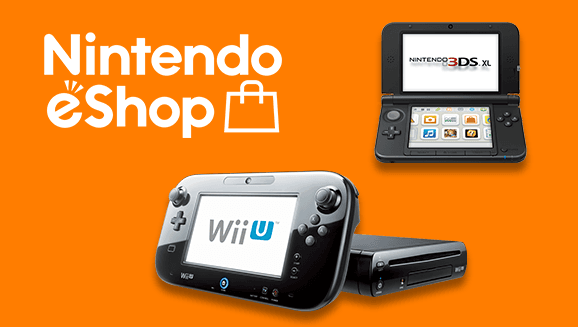
A paid download can still disappear behind a dead storefront, a launcher that will not authenticate, or an account check that no longer works. That is the real danger here: not just inconvenience, but a library that becomes harder to install, patch, launch, or preserve the moment the infrastructure around it changes. Nintendo’s Wii U and 3DS shutdown made that painfully concrete, because new purchases ended on March 27, 2023, code redemption ended on April 3, 2023, and remaining balance functionality ended after March 11, 2024.
That shutdown was not a niche footnote. Those eShops had 866 Wii U games and 1,547 3DS games available digitally, and many of those smaller indies, add-ons, and oddball releases existed only as downloads. When a storefront like that goes dark, the loss is not just theoretical preservation anxiety. It is a real list of games that can become difficult or impossible to obtain through normal channels, including titles that never got a physical release at all.
Start protecting your library before the service changes under you
The simplest survival move is also the least glamorous: keep your own copies of what you can. If a platform lets you save installers locally, archive them. If it lets you export saves or user settings, do it before you change accounts, swap hardware, or let a platform update roll through your system. Treat patch files, install notes, and serial information like part of the game, because once a launcher stops serving them, you may not get a second chance.
A practical setup looks like this: 1. Save local backups of installers, patches, and save data whenever the platform allows it. 2. Export profiles, cloud saves, and settings before major account or service changes. 3. Keep more than one authenticated device where the platform allows it, so one broken machine does not strand your library. 4. Store install notes, patch order, and any required login or license details with the backup so you are not guessing later.
For older single-player releases, this matters more than people admit. A game that launches cleanly today can become a mess of missing files, broken patches, or deactivated account checks a few years down the line. If you own the offline pieces, you at least have a fighting chance to reinstall and keep playing when the network side of the business model moves on.
DRM-free is the closest thing digital games have to real possession
If you want the cleanest version of digital ownership, look at stores that minimize dependence on a central login. GOG says its Preservation Program is meant to keep classic PC games playable on modern systems, and its catalog is DRM-free. That matters because DRM-free releases can be kept and installed without leaning on an always-live authentication layer every time you want to play.
GOG’s own documentation also says offline backup installers are generated after a build is published to the master branch, which means the installer can exist as a separate artifact you keep for yourself. There can still be a delay before one appears in your library, so the habit to build is simple: download the offline installer when it becomes available, archive it yourself, and do not assume the store will be there forever to supply it again.
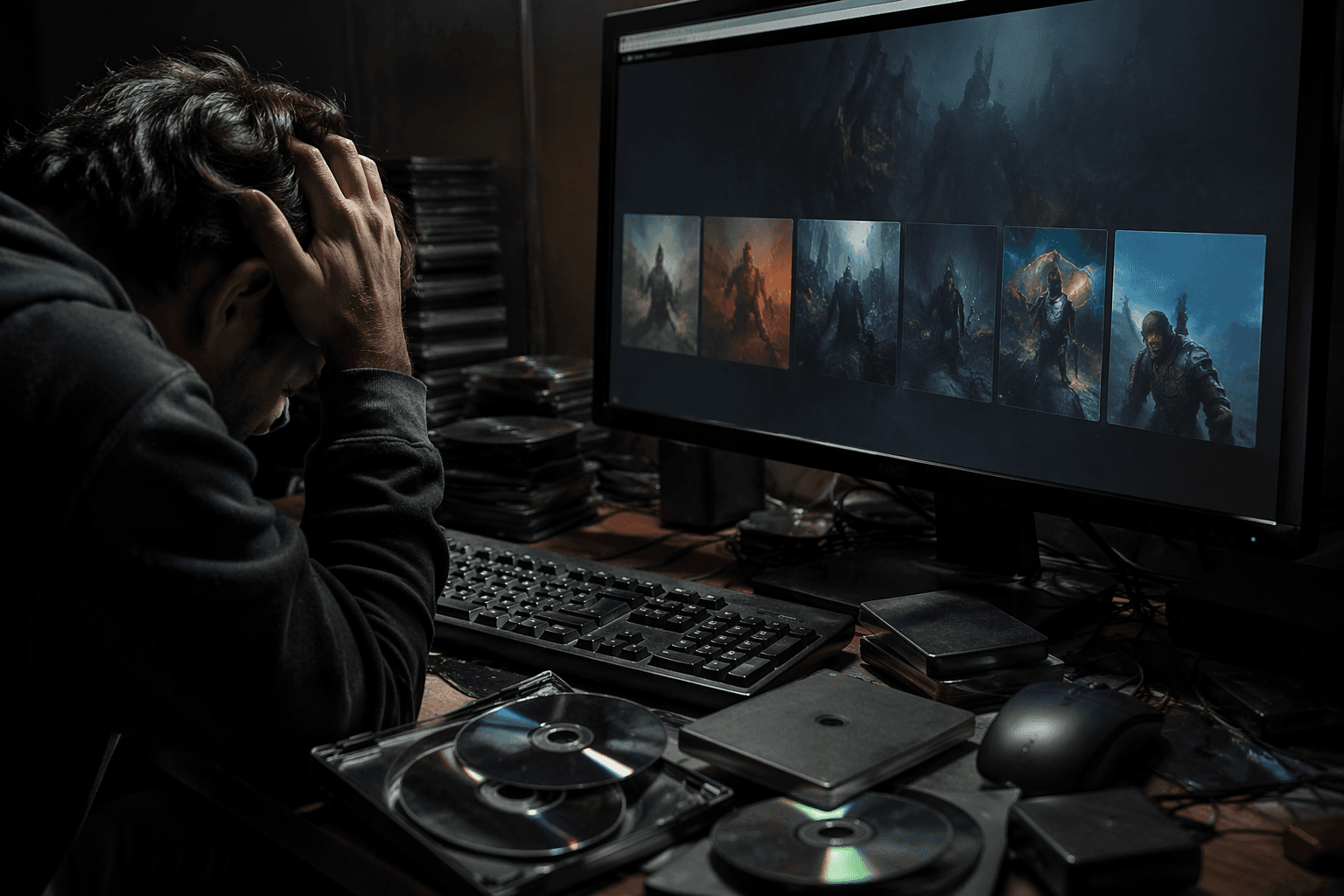
That is the key difference between a library you can still use and one you only technically “own.” A DRM-free installer in your archive is independent. A game tied to a launcher, entitlement server, or account check is only as durable as the company running that system.
The shutdown that turned preservation into a consumer-rights fight
Ubisoft’s shutdown of The Crew sharpened this argument because it showed what happens when an always-online game loses its servers: the game can become unplayable, even if you bought it. That became a major trigger for the Stop Killing Games movement, which pushed the question out of preservation circles and into mainstream consumer debate.
The European Commission registered the citizen initiative Stop Destroying Videogames on June 19, 2024. The initiative asks publishers that sell or license videogames in the European Union to leave them in a functional, playable state after support ends. That is the most direct answer to the problem players keep running into: if a company can sell access, then shut off the thing you paid for, what exactly was the purchase?
In the United States, the same fight has started showing up in regulatory language. Senator Ron Wyden wrote to the Federal Trade Commission on February 25, 2025, asking for clearer guidance so consumers understand what rights they actually get when they buy or license digital goods. That distinction matters because the central policy battle is still the same one players feel in their own libraries: are you buying a durable product, or just a revocable license to access a game while the surrounding systems stay alive?
What is realistic, legal, and worth your effort
The protections that actually work for average players are not fantasy solutions. They are the boring, usable ones: DRM-free releases, offline installers, save exports, local backups, and a habit of reading platform terms before you get locked in. Community fixes, compatibility patches, and metadata databases also help when official support fades, because they preserve the context around a game as much as the executable itself.
The limits matter too. You cannot force every publisher to leave a live-service game running forever, and you cannot rely on cloud saves or a single account to protect a library across every platform shift. What you can do is reduce your dependency on the pieces most likely to vanish first. That is the practical line between access you control and access you are renting.
The lesson from Nintendo’s shutdown, The Crew’s server death, and the slow rise of preservation-focused policy is the same one players keep relearning the hard way: the purchase screen is not the finish line. If the store, launcher, or authentication server disappears, a digital library can shrink fast, and the only defense that consistently holds up is the copy you already saved.
This article was produced by Prism’s automated news system from verified source data, official records, and press releases, then run through automated quality and moderation checks before publishing. The system is built and supervised by the people who set the standards it runs under. Read our full AI policy.
Know something we missed? Have a correction or additional information?
Submit a Tip