Nintendo Faces Class Action Over Tariff Refunds and Switch 2 Pricing
A new suit says Nintendo could collect tariff refunds while keeping price hikes, setting up a major consumer-rights test for Switch buyers.
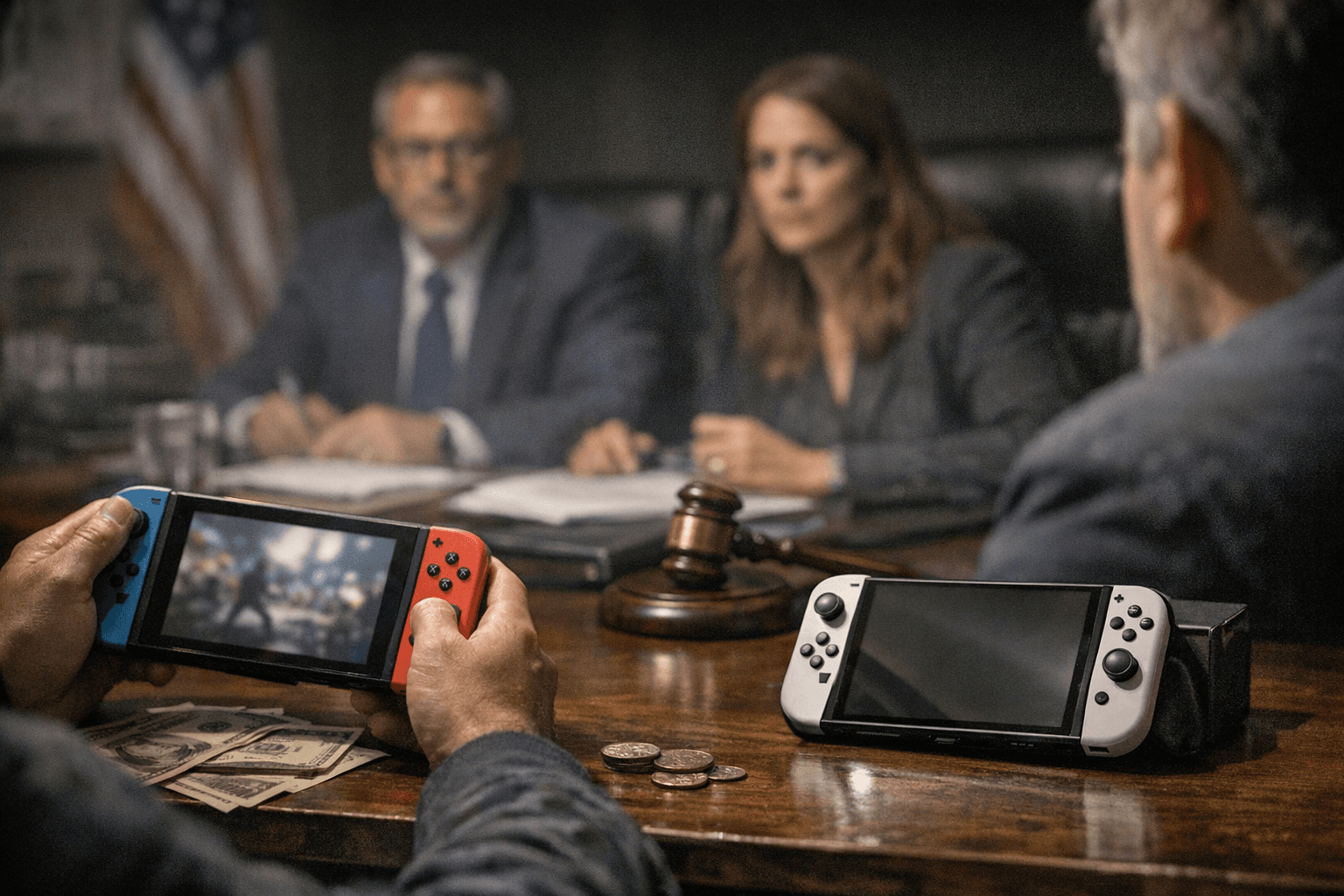
Nintendo is facing a proposed class action that could decide whether tariff refunds ever make their way back to players after prices go up. Gregory Hoffert and Prashant Sharan filed the complaint on April 21 in the U.S. District Court for the Western District of Washington, setting up a case that targets Nintendo of America Inc. and treats it as part of Nintendo Co., Ltd.
The plaintiffs say the dispute turned on the U.S. Supreme Court’s February 20 ruling in Learning Resources, Inc. v. Trump, which held that the IEEPA-based tariffs were unlawful and opened the door to refunds for importers. Their core argument is simple and consumer-focused: if Nintendo already pushed tariff costs into its pricing, the company should not be allowed to collect the same money again from the government and keep the benefit for itself.
That theory makes the case bigger than a standard retail complaint. The complaint says Nintendo could recover tariff payments twice, first through higher prices paid by consumers and again through government refunds, including interest paid by the federal government on those funds. It also says Nintendo made no legally binding commitment to return any tariff-related overcharges to customers, which leaves the question of reimbursement squarely on the table.
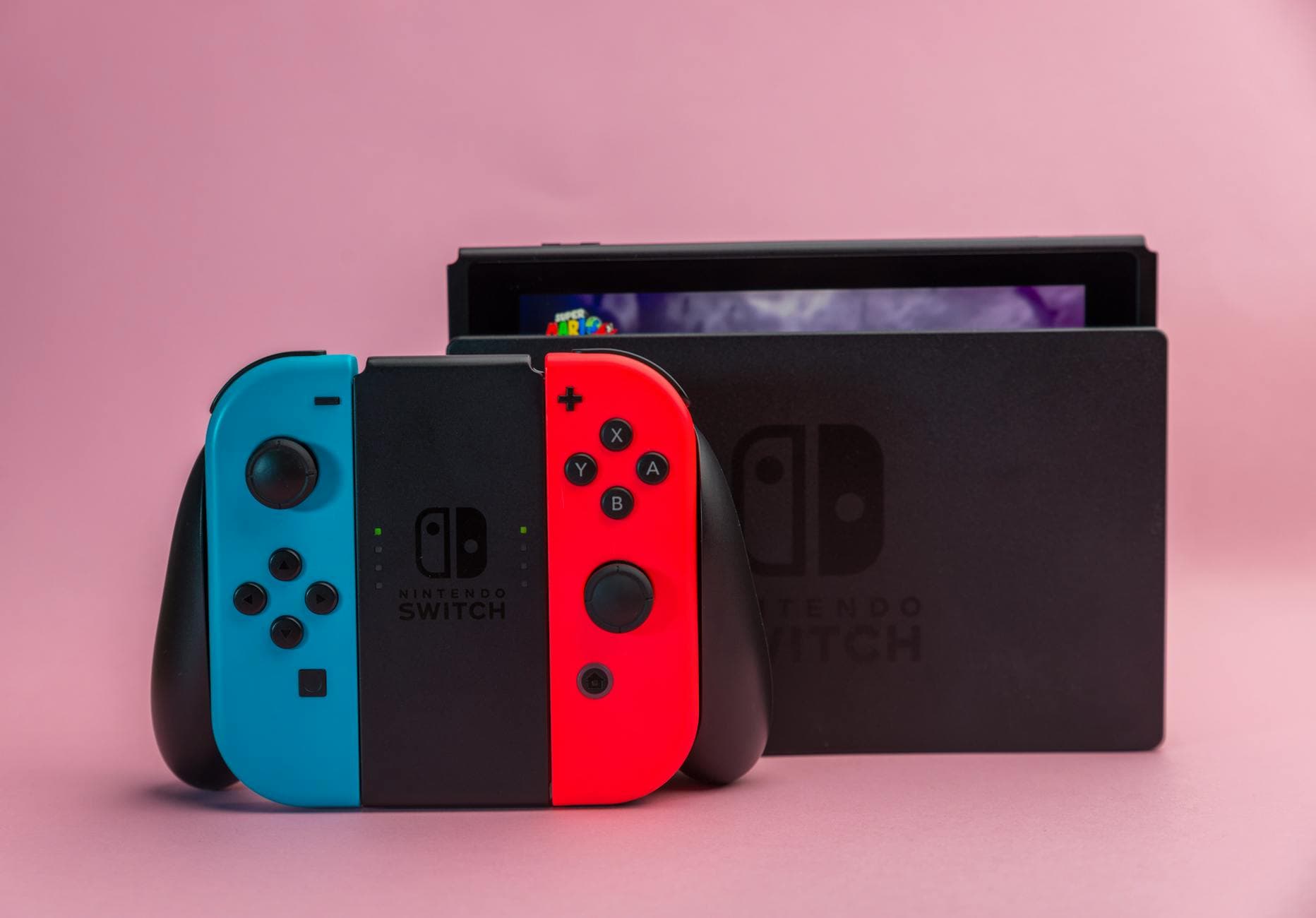
Nintendo’s own pricing notices give the plaintiffs something concrete to point to. On April 18, 2025, the company said the Switch 2 would stay at $449.99 in the U.S. at launch and the Mario Kart World bundle would remain $499.99, while accessories would see price adjustments because of market conditions. Then, on August 1, 2025, Nintendo said original Switch family systems and select accessories would change in the U.S. effective August 3. The complaint says accessories rose by $1 to $10, and that those increases show consumers already absorbed part of the tariff burden.
The proposed class reaches back to February 1, 2025, and runs through February 24, 2026, which could sweep in a broad group of Nintendo customers if a judge certifies it. That scale matters because the refund question is not tiny. U.S. Customs and Border Protection has estimated 53,173,939 refunds across 330,566 importers, while importers are still waiting for the agency’s refund-processing system to catch up.
Nintendo had already warned in May 2025 that U.S. tariffs could hit its business hard, and its financial materials assumed the tariff rates effective April 10, 2025 in its forecast. The case now sits at the intersection of game hardware pricing, consumer rights, and trade policy, with pressure that could extend beyond Nintendo to Sony, Microsoft, and any publisher that raised hardware prices while tariff costs were still in the mix.
This article was produced by Prism’s automated news system from verified source data, official records, and press releases, then run through automated quality and moderation checks before publishing. The system is built and supervised by the people who set the standards it runs under. Read our full AI policy.
Did this article answer your question?