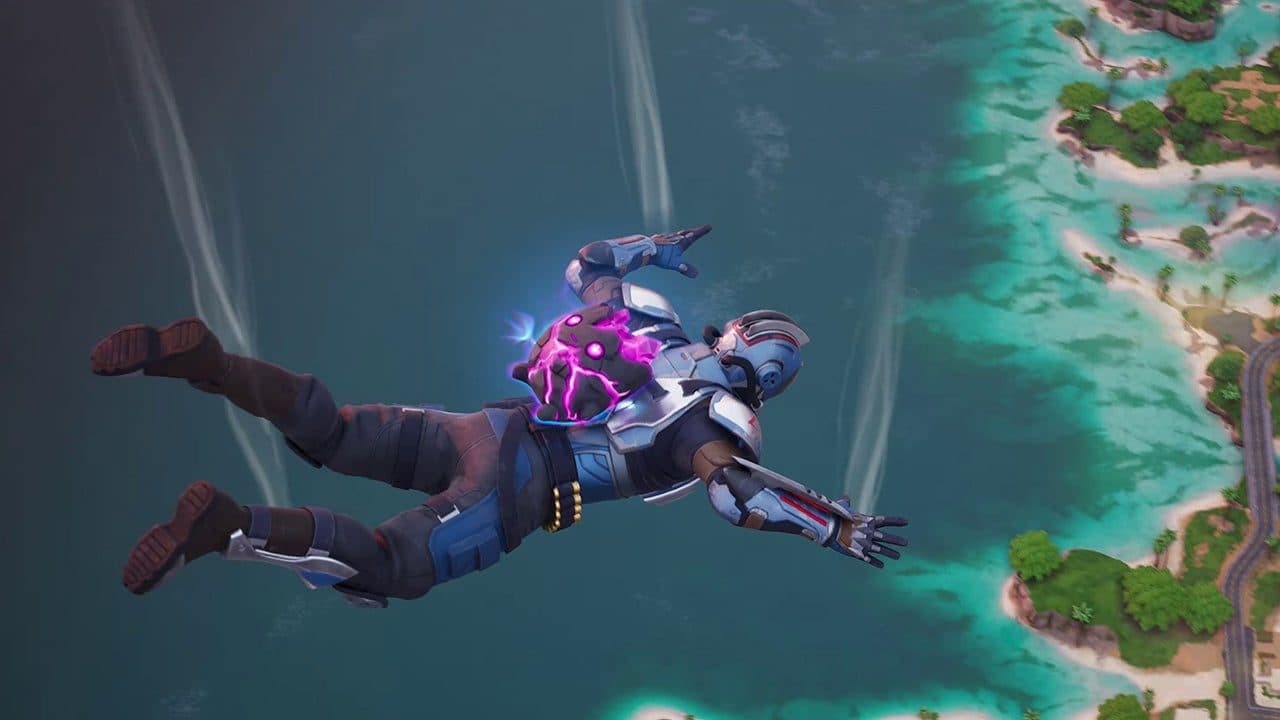
NVIDIA Unveils DLSS 5, Calling It Biggest Graphics Leap Since Ray Tracing
Jensen Huang called DLSS 5 "the GPT moment for graphics," and nine major publishers are already on board for this fall's launch.

The visual gap between Hollywood VFX and real-time gaming has been the industry's most stubborn divide for decades. NVIDIA just declared it closed.
At its GTC presentation on March 16, Jensen Huang unveiled DLSS 5, a technology the company positions as its most significant graphics breakthrough since real-time ray tracing debuted in 2018. The core of the announcement: a real-time neural rendering model that, in NVIDIA's framing, "infuses pixels with photoreal lighting and materials" to reach a level of fidelity previously confined to film production pipelines.
Huang did not undersell it. "Twenty-five years after NVIDIA invented the programmable shader, we are reinventing computer graphics once again," he said at GTC. "DLSS 5 is the GPT moment for graphics, blending handcrafted rendering with generative AI to deliver a dramatic leap in visual realism while preserving the control artists need for creative expression."
The GPT comparison is pointed. By invoking the moment large language models shifted from research curiosity to industry-reshaping infrastructure, NVIDIA is signaling that DLSS 5 is not an incremental update to its existing upscaling pipeline but a categorical change in how games generate their images.
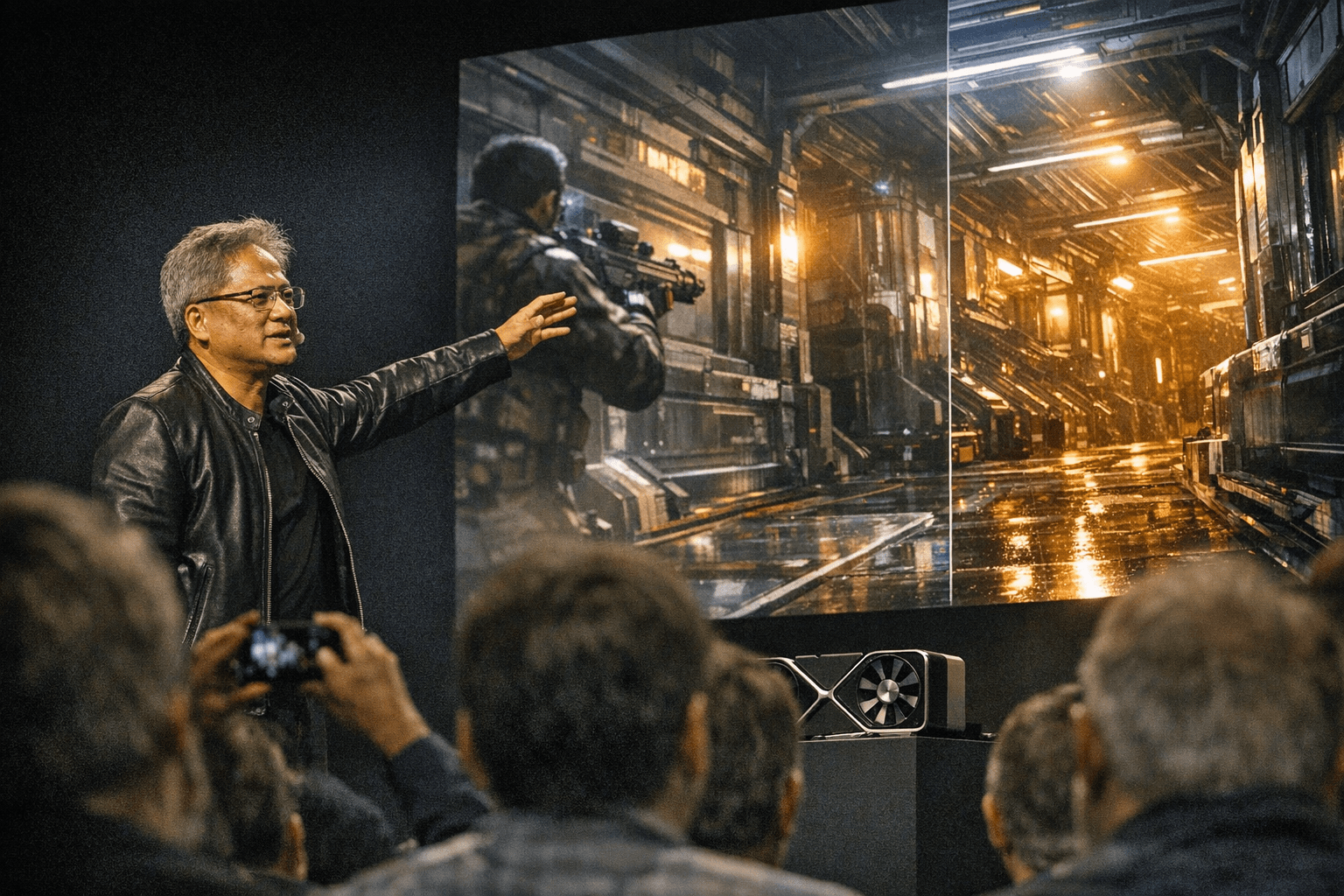
On the practical side, DLSS 5 gives developers detailed controls over intensity, color grading, and masking, so artists can determine precisely where and how the neural rendering enhancements are applied without overriding a game's visual identity. Integration runs through the NVIDIA Streamline framework, the same middleware backbone already used by earlier DLSS versions and NVIDIA Reflex, meaning studios with existing DLSS implementations will not need to rebuild from scratch.
The publisher list backing DLSS 5 at launch is substantial: Bethesda, CAPCOM, Hotta Studio, NetEase, NCSOFT, S-GAME, Tencent, Ubisoft, and Warner Bros. Games are all confirmed supporters. NVIDIA has not yet named specific titles from any of those studios, and the company has not disclosed hardware requirements, performance benchmarks, or which GPU architectures will be compatible with the technology.
DLSS 5 arrives this fall. Whether the real-world results match the Hollywood-level promise is the question the first hands-on comparisons will need to answer.
This article was produced by Prism’s automated news system from verified source data, official records, and press releases, then run through automated quality and moderation checks before publishing. The system is built and supervised by the people who set the standards it runs under. Read our full AI policy.
Did this article answer your question?