Phantom Blade Zero Distances Itself From Nvidia DLSS 5 AI Backlash
S-Game drew a line between upscaling and generative AI after Phantom Blade Zero landed in Nvidia’s DLSS 5 rollout and triggered backlash over its faces.
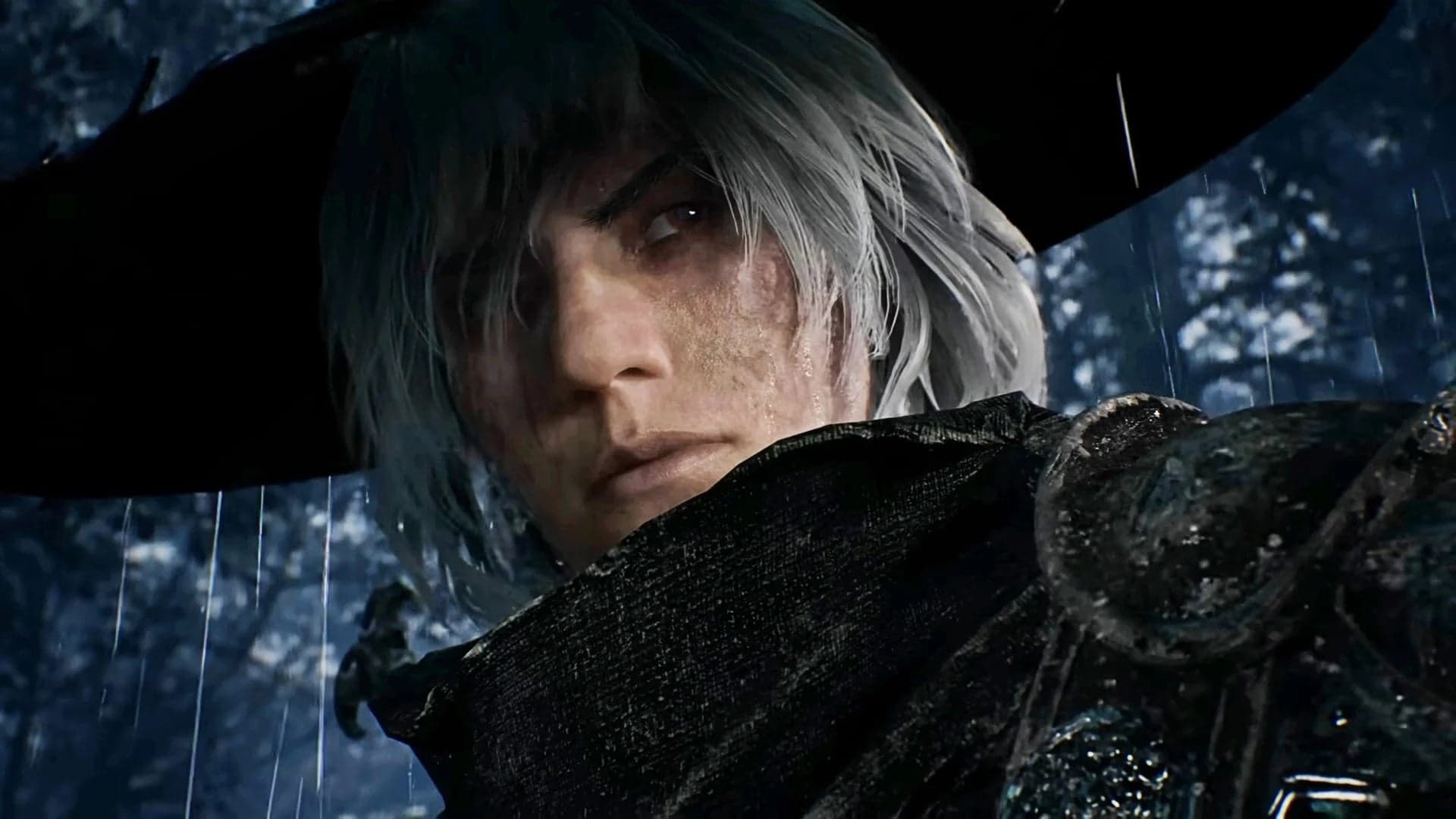
S-Game drew a hard line between frame-rate tech and generative AI after Phantom Blade Zero briefly became part of Nvidia’s DLSS 5 rollout and then got caught in a wave of backlash over what players saw as AI slopface. The studio’s message was clear: it does not want its wuxia action game, built on Unreal Engine 5, read as a showcase for technology that can alter art without the artists’ say-so.
The dispute started when Nvidia unveiled DLSS 5 on March 16, 2026 at GTC 2026, calling it its biggest graphics breakthrough since real-time ray tracing arrived in 2018. Nvidia said the system uses a real-time neural rendering model to infuse images with photoreal lighting and materials, and it listed S-GAME among the developers and publishers tied to support. But the promotional rollout quickly turned into a meme-heavy argument, with early examples drawing heat for faces that looked less like graphics innovation and more like an AI filter pasted over characters.
S-Game’s response was to distance Phantom Blade Zero from anything that sounded like generative art replacement. The studio stressed that the game is built from 3D scans of real people, that its voice work has been carefully refined, and that its weapons were physically replicated by real blacksmiths before being translated into the game’s art pipeline. That is not just production trivia. It is a statement about authorship, one that frames Phantom Blade Zero as hand-crafted from the ground up rather than smoothed over by automated visual shortcuts.
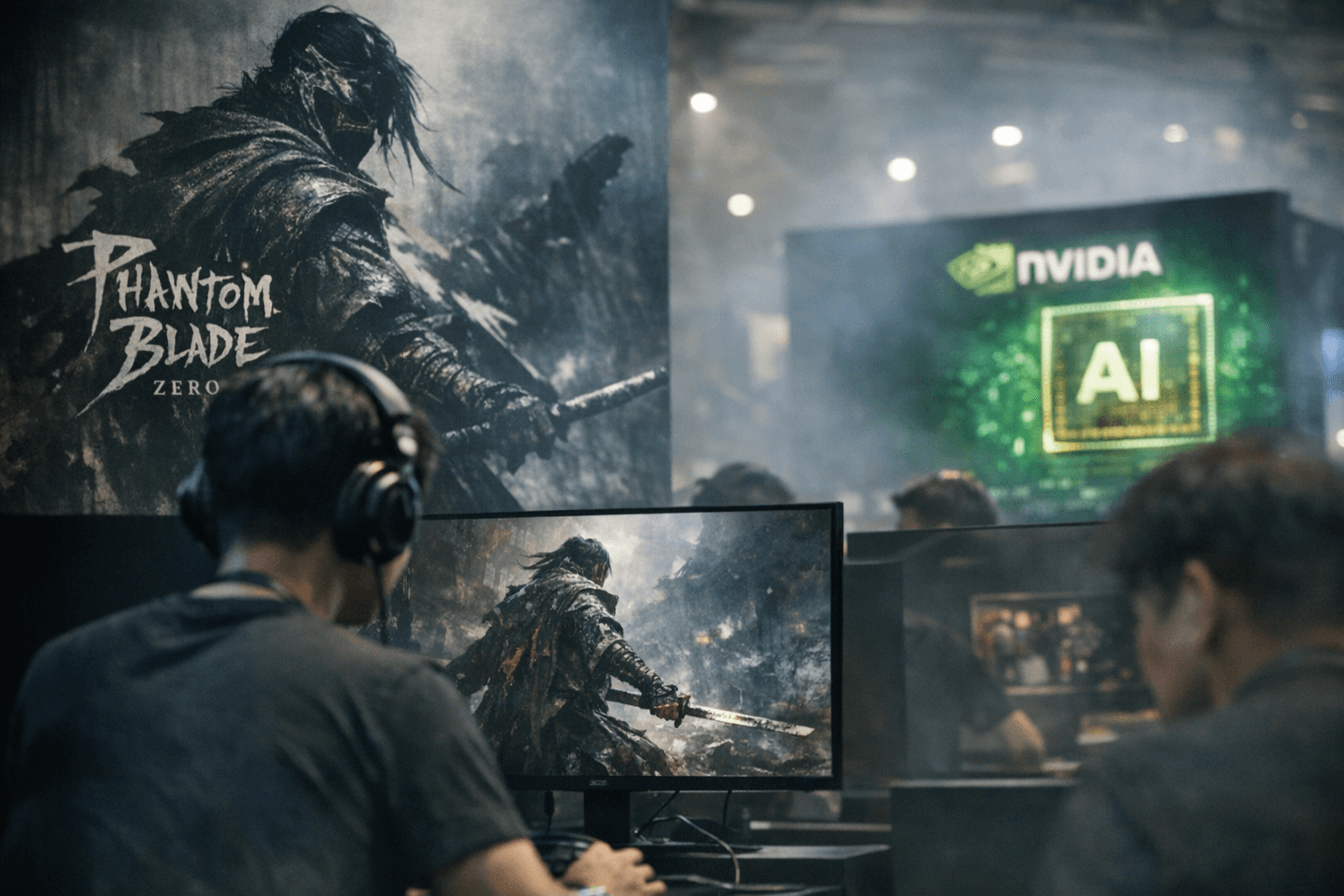
The timing made the statement even sharper. Jensen Huang publicly defended DLSS 5 and said critics were “completely wrong,” but the controversy showed how quickly performance features can get tangled up with fears about AI changing the look of games. Phantom Blade Zero had already been presented in Nvidia’s CES 2026 coverage with DLSS 4 and ray tracing, so the April distancing read less like a first encounter than a recalibration. With the game now slated for September 9, 2026 on PlayStation 5 and PC, S-Game is trying to make sure its pre-launch identity stays rooted in artist control, not in the kind of AI debate that can swallow a release before it lands.
This article was produced by Prism’s automated news system from verified source data, official records, and press releases, then run through automated quality and moderation checks before publishing. The system is built and supervised by the people who set the standards it runs under. Read our full AI policy.
Did this article answer your question?