PlayStation digital game purchases now show 30-day validation countdown, alarming players
Newly bought PS4 and PS5 games are showing a 30-day validation timer, raising fears that digital purchases could vanish if servers fail or consoles go offline.
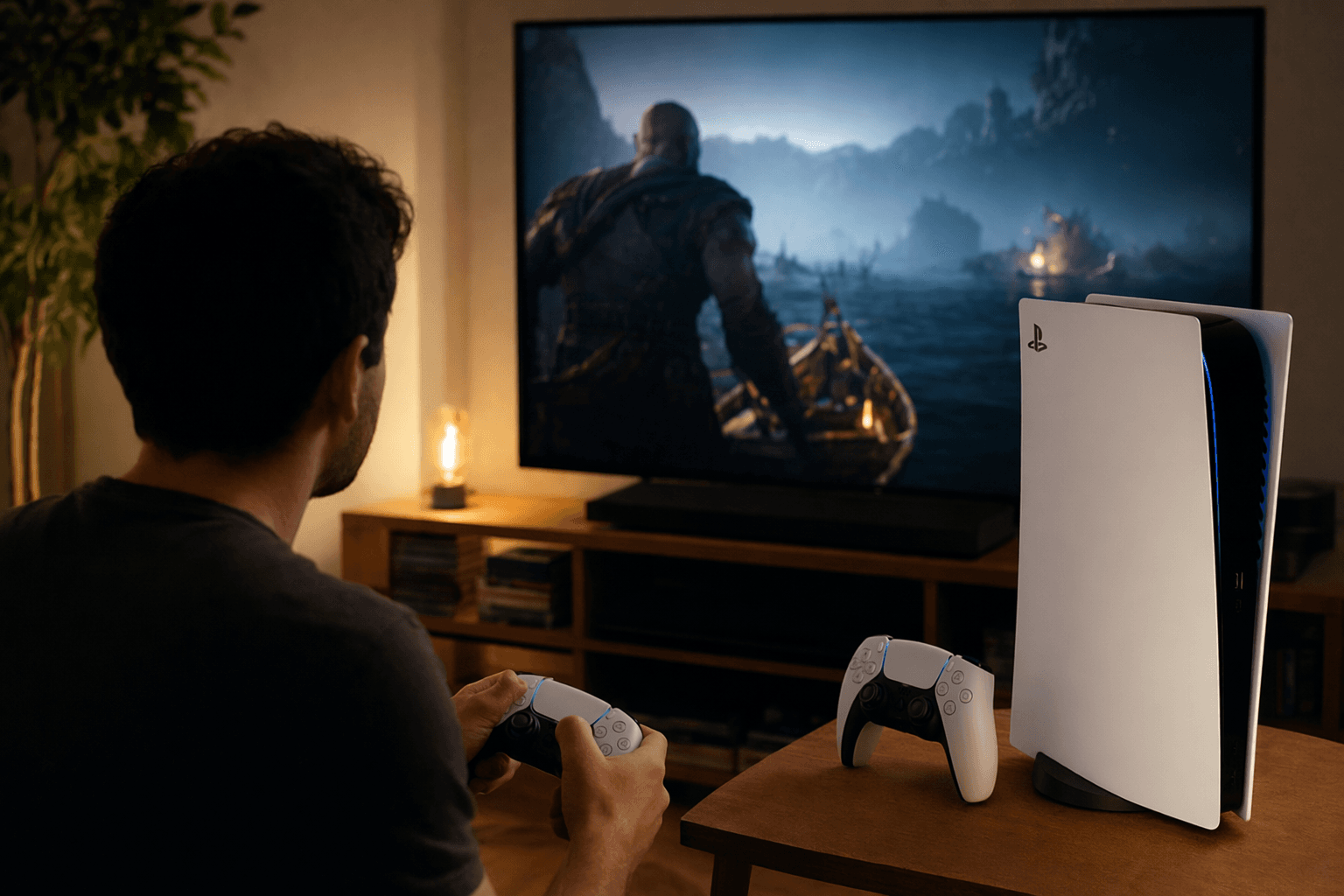
A digital game that needs to check in every 30 days starts to look less like something you own and more like something you are renting. That is the alarm now ringing around PlayStation, where players noticed newly purchased PS4 and PS5 games showing a validation countdown that could leave libraries stranded if servers fail, accounts break, or a console stays offline too long.
The concern is not about PlayStation Plus titles, which are subscription entitlements. It is about ordinary digital purchases from PlayStation Store, the kind many players expect to keep working even when the internet is down. That difference is why preservation advocates moved so quickly on the reports: if access depends on recurring server verification, then a storefront buy can behave like a revocable license instead of a permanent addition to a personal library.
Community testing gave the story its force. On PS4, players reported seeing a visible valid-period timer on the game license screen, including for Don't Starve Together. On PS5, testers took a harsher route, removing the CMOS battery to desynchronize the system clock and then disconnecting the console from the internet. Under those conditions, newly purchased digital games produced an error saying the content could not be used until the server verified the license again.
That is the part that hits hardest for game preservation. A temporary outage becomes more than an inconvenience when the console itself needs outside permission to recognize a purchase. It also changes the meaning of long-term access for anyone building an all-digital library, especially on hardware that may someday sit offline, be resold, or lose backend support.

PlayStation’s own support pages help explain why players reacted so strongly. Sony already tells users that license problems can create a padlock icon, and that restoring licenses on PS5 or PS4 does not affect saved data. The company also says that a padlock is not necessarily tied to the expiration of PlayStation Plus. In other words, license verification is already part of the ecosystem, which made a visible countdown feel much more consequential than a routine glitch.
By April 29 and 30, Sony had said the behavior was a one-time online license verification after purchase, not a recurring 30-day re-check. Even so, the reaction had already spread across the community, with comparisons to Microsoft’s unpopular 2013 Xbox One always-online DRM plans. Reports also tied the complaints to games purchased after a March 2026 system update, leaving players to wonder whether the timer reflects a bug, a backend change, or something more permanent. For now, the controversy has pushed one old question back to the center of modern gaming: if the storefront goes quiet, what exactly still belongs to the buyer?
This article was produced by Prism’s automated news system from verified source data, official records, and press releases, then run through automated quality and moderation checks before publishing. The system is built and supervised by the people who set the standards it runs under. Read our full AI policy.
Did this article answer your question?