RAF pilots use video game skills to down Iranian drones in Iraq
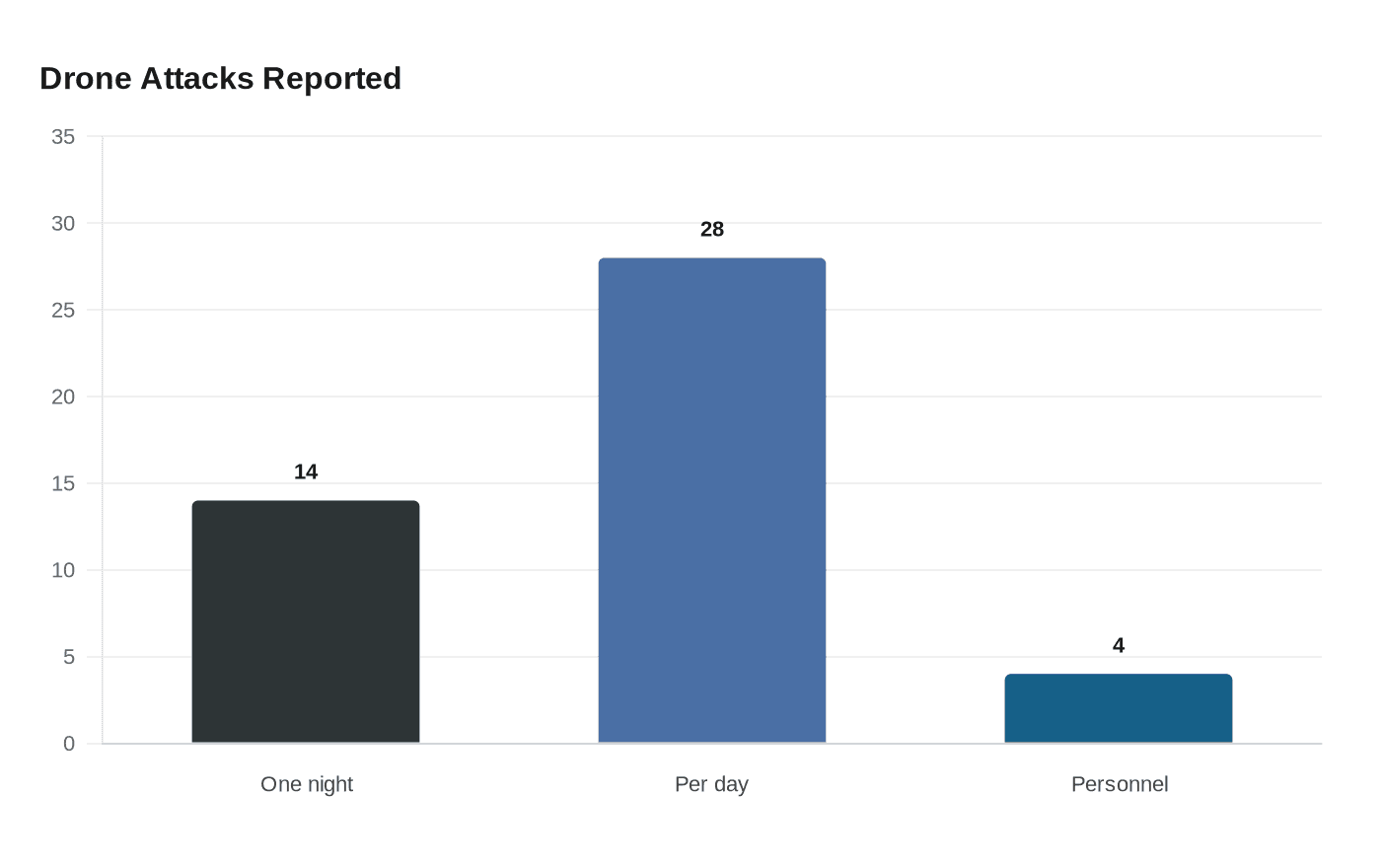
Four RAF Regiment specialists became Britain’s first drone aces after shooting down 14 Iranian kamikaze drones in one night at Erbil.
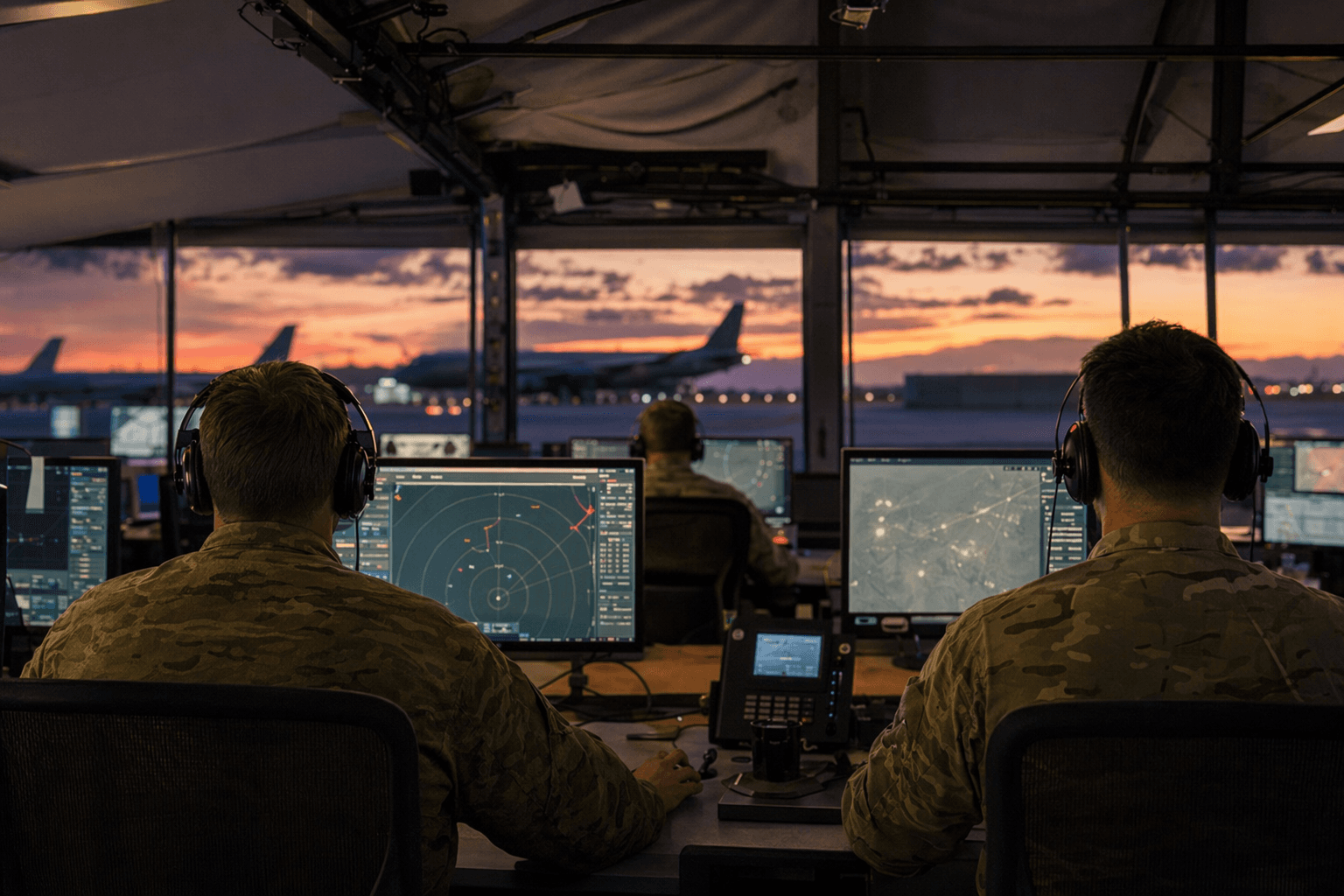
British air-defence specialists at a coalition base in Erbil turned video-game-like reflexes into a real-world shield, intercepting Iranian drones and missiles in a pressure-cooker stretch that pushed the site into near-constant alert. The personnel were RAF Regiment ground-based air-defence specialists, largely from 2 Force Protection Wing, working the Rapid Sentry missile system at a US-led coalition base in northern Iraq that has housed British forces for several years.
The sharpest overlap with gaming was not fantasy heroics but control-room discipline. The work depended on target tracking, reading a crowded interface quickly, and making fast decisions as incoming threats stacked up. That is where the comparison lands cleanly. It does not mean combat is a game. It means the same kind of screen literacy and hand-eye timing that many players build at home can matter when operators are scanning for movement, prioritizing threats, and firing under time pressure.
Sky News reported that the base was hit by around 28 Iranian-linked drones and missiles a day over a six-week period while the US and Israel attacked Iran. In one night alone, British air-defence specialists shot down 14 Iranian kamikaze drones. Across Middle East operations, the UK government said RAF personnel intercepted more than 100 Iranian drones and missiles.
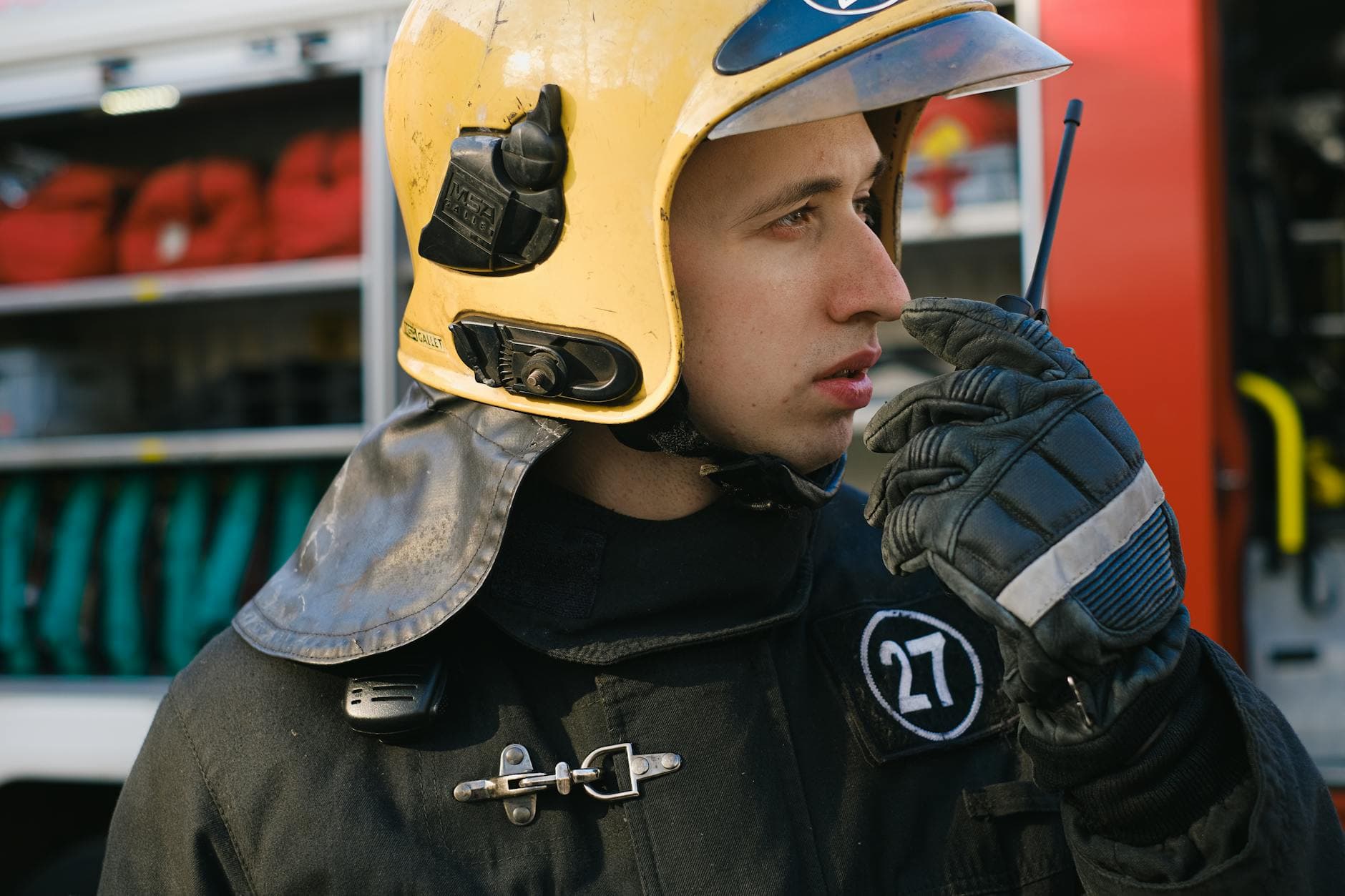
The Ministry of Defence said four RAF Regiment personnel became the first British military drone aces after each downed five or more drones. The word ace has long belonged to the language of air combat, originally used for Second World War pilots who shot down five enemy aircraft. Here, it has been repurposed for a different battlefield, one where the threats come low, fast and in swarms rather than in dogfights.
The Erbil attacks were part of a wider regional escalation that also affected RAF Akrotiri in Cyprus and a British-linked position in Bahrain. That spread matters because it shows how drone warfare is reshaping force protection across the Middle East, and why base defence now looks less like static guard duty and more like a high-tempo, screen-driven job that rewards composure, pattern recognition and decision speed. The technology may be military, but the instinct to read an interface under pressure is increasingly familiar to anyone who has spent years with a controller in hand.
Know something we missed? Have a correction or additional information?
Submit a Tip