Rec Room to Permanently Shut Down in June 2026 After Years of Losses
Players built half a billion friendships and logged 68,000 years of playtime inside a world that was quietly losing money the whole time - it shuts down June 1.
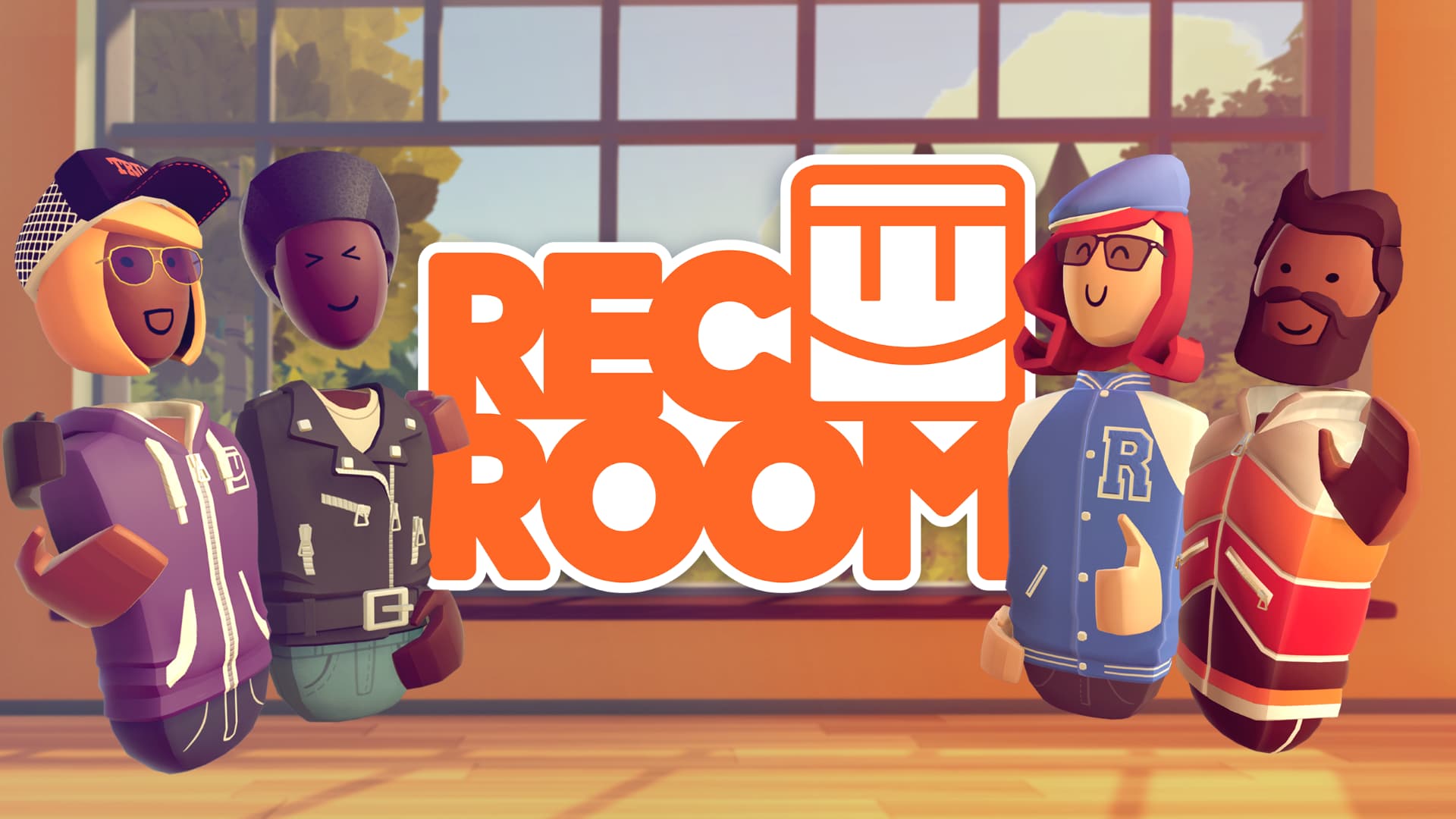
Sixty-eight thousand cumulative years. That's how much time players poured into Rec Room while the Seattle company that built it burned through more capital than it could ever recover. On March 30, Rec Room Inc. announced it will permanently shut down on June 1, 2026 at 12:00 PM Pacific, closing a cross-platform social-VR world that reached 150 million registered accounts and collected over 500 million friendships, all while its operating costs, as the company put it, "always ended up overwhelming the revenue we brought in."
The shutdown is already in motion, and the deadlines are staggered in ways that will catch people off guard if they wait. Rec Room has already locked new account creation, friend requests, and new Rec Room Plus subscriptions. Gift card redemption closes April 30. Token purchases end entirely on May 1, the same day refund requests open for unused wallet funds. Players have until June 15 to file those refund requests through the Rec Room website; miss that window and the balance is gone. Creator token earnings cut off at 11:59 PM UTC on May 18, with a final payout scheduled for June 1. Tokens accumulated before the May 18 deadline can still be spent in-platform until the servers go down. Active RR+ memberships will automatically extend through June 1. After noon PT on that date, the client locks, the website goes offline, and Rec Room Studio shuts down permanently.
None of that addresses what creators actually lose. The top UGC rooms each accumulated over 500 years of playtime. The rooms themselves, the social graphs, the community economies built around Rec Room's proprietary token system: none of it is portable. There is no export function for a decade of collaborative world-building. Co-founder and CEO Nick Fajt, reached after the announcement, said he was "very proud of the team." The company had raised over $294 million across its lifetime and reached a $3.5 billion valuation at its peak; neither figure was enough to close the gap between engagement at scale and a sustainable cost structure.
Almost immediately after the shutdown announcement, Snap Inc. confirmed it had purchased "select assets" from Rec Room and is folding some of the company's staff into Specs Inc., the wholly owned subsidiary Snap established in January specifically to develop its next-generation Spectacles AR hardware. Snap cited the Rec Room team's expertise in building social, multiplayer XR experiences as the draw; with next-generation Specs glasses expected to launch later this year, Rec Room's engineers and experience designers land at a moment of genuine hardware urgency for Snap. Financial terms, the precise assets acquired, and the number of employees making the move were not disclosed.

The shape of that deal is the most telling detail of this entire story. A platform that demonstrably captured human attention at unprecedented scale, 68,000 cumulative years of it, still could not build a unit economics case that worked. The gap between engagement and monetization is the structural trap that every social-VR world runs into: hosting, moderation, cross-platform client support, and a creator economy that requires constant investment all stack up against revenue models that have never been able to pace them.
What Snap extracted from the wreckage is not the audience, the rooms, or the token economy. It's the people who know how to build immersive, social XR spaces. The millions of players who built that institutional knowledge on Rec Room's behalf had no seat at that table.
This article was produced by Prism’s automated news system from verified source data, official records, and press releases, then run through automated quality and moderation checks before publishing. The system is built and supervised by the people who set the standards it runs under. Read our full AI policy.
Did this article answer your question?