Techland veteran says developers must heed player complaints about bugs and frustration
Tymon Smektała says studios need to listen past player patch ideas and hear the real pain point, especially when bugs and frustration are driving complaints.
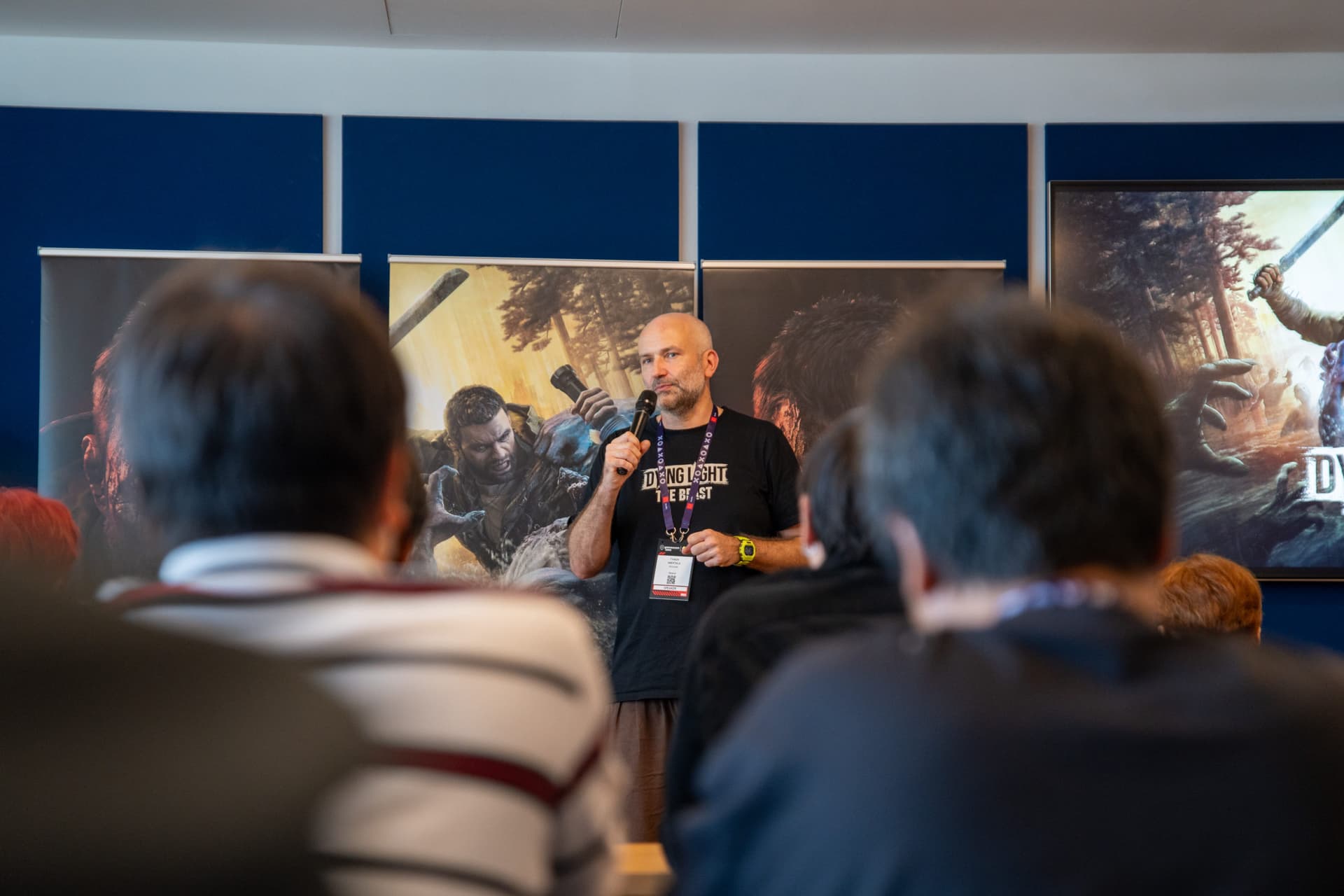
After 13 years at Techland, Tymon Smektała says the smartest developers do not treat player feedback as a list of fixes. They listen for the frustration underneath it, because the person posting about a broken quest, a clumsy control, or a balance problem is often pointing straight at the part of the game that hurts most.
Smektała’s point cuts through a familiar divide in game development: players are usually excellent at spotting what feels bad, but they do not always know why it is happening under the hood. A complaint about a bug might come with a proposed workaround that would never survive the engine, the pipeline, or the schedule. A demand to rebalance a weapon or a system may sound simple on a forum, but the actual issue could be pacing, readability, or one overpowered interaction that keeps ruining matches.
That is where his message lands hardest for studios working on live games and big launches alike. If players keep saying the same thing in different ways, the reaction should not be to dismiss the suggested solution. It should be to identify the underlying pain point and decide whether the game is failing at stability, clarity, fairness, or basic quality of life. That distinction matters when frustration is building around bugs, combat tuning, progression bottlenecks, or interface friction that makes every session feel harder than it should.

For Techland, the lesson fits the reality of making games that players spend a lot of time with. Long-running communities do not just notice when something is broken. They notice when a fix misses the mark, when a patch smooths one issue but leaves the real annoyance untouched, and when a studio answers the symptom instead of the cause. Smektała’s argument is that developers need to hear the complaint behind the complaint.
That is what separates studios that merely respond from studios that actually improve the game. Players can tell a team where the pain is. Smektała’s warning is that the best developers know how to listen for what that pain really means, then build the right fix instead of the most obvious one.
This article was produced by Prism’s automated news system from verified source data, official records, and press releases, then run through automated quality and moderation checks before publishing. The system is built and supervised by the people who set the standards it runs under. Read our full AI policy.
Know something we missed? Have a correction or additional information?
Submit a Tip