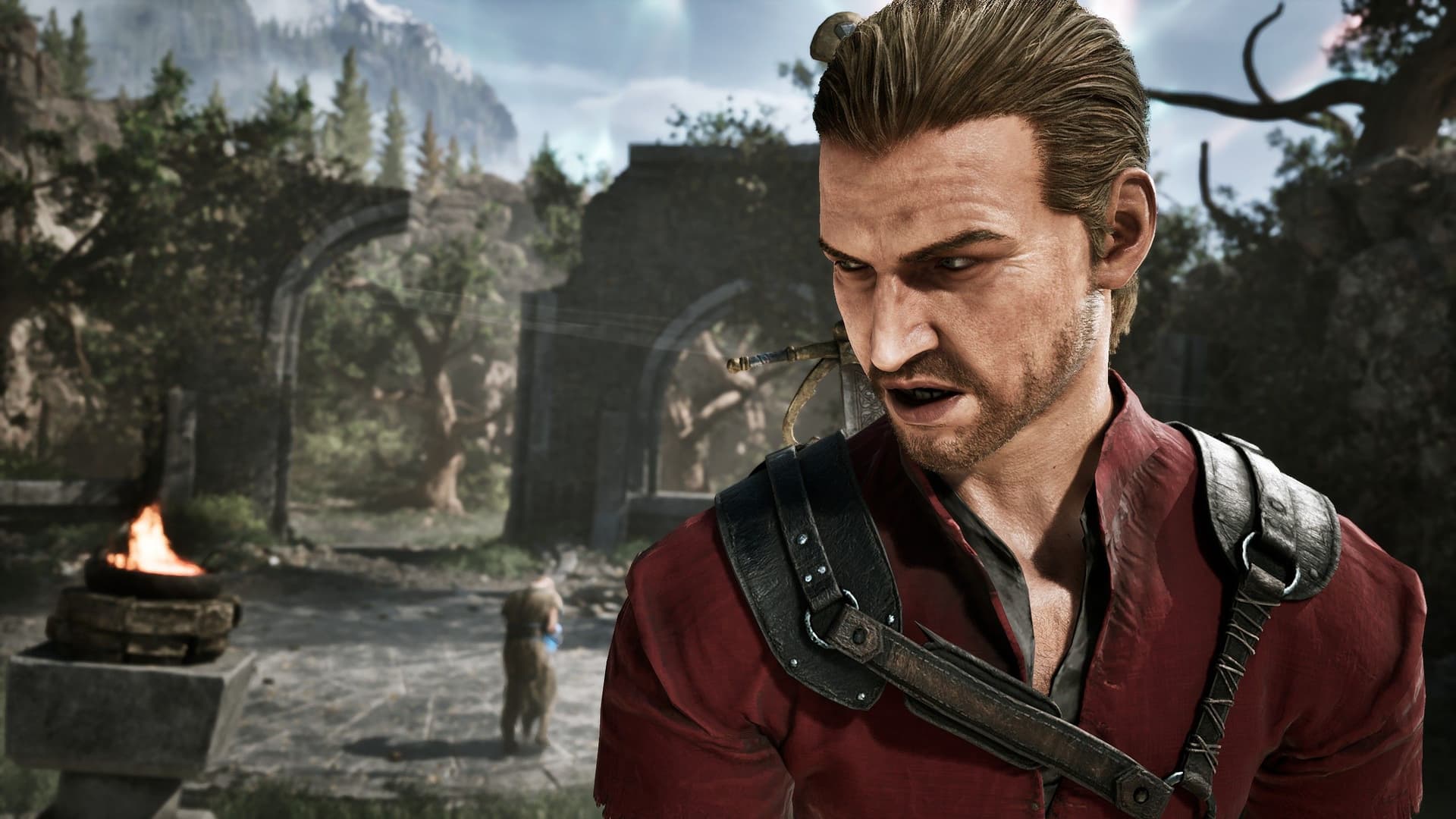
The Sinking City 2 shifts from detective mystery to survival horror
Frogwares is recasting The Sinking City 2 as survival horror, swapping mandatory detective work for tension, combat, and optional clue hunting.
A sequel that is trying to be a different kind of game
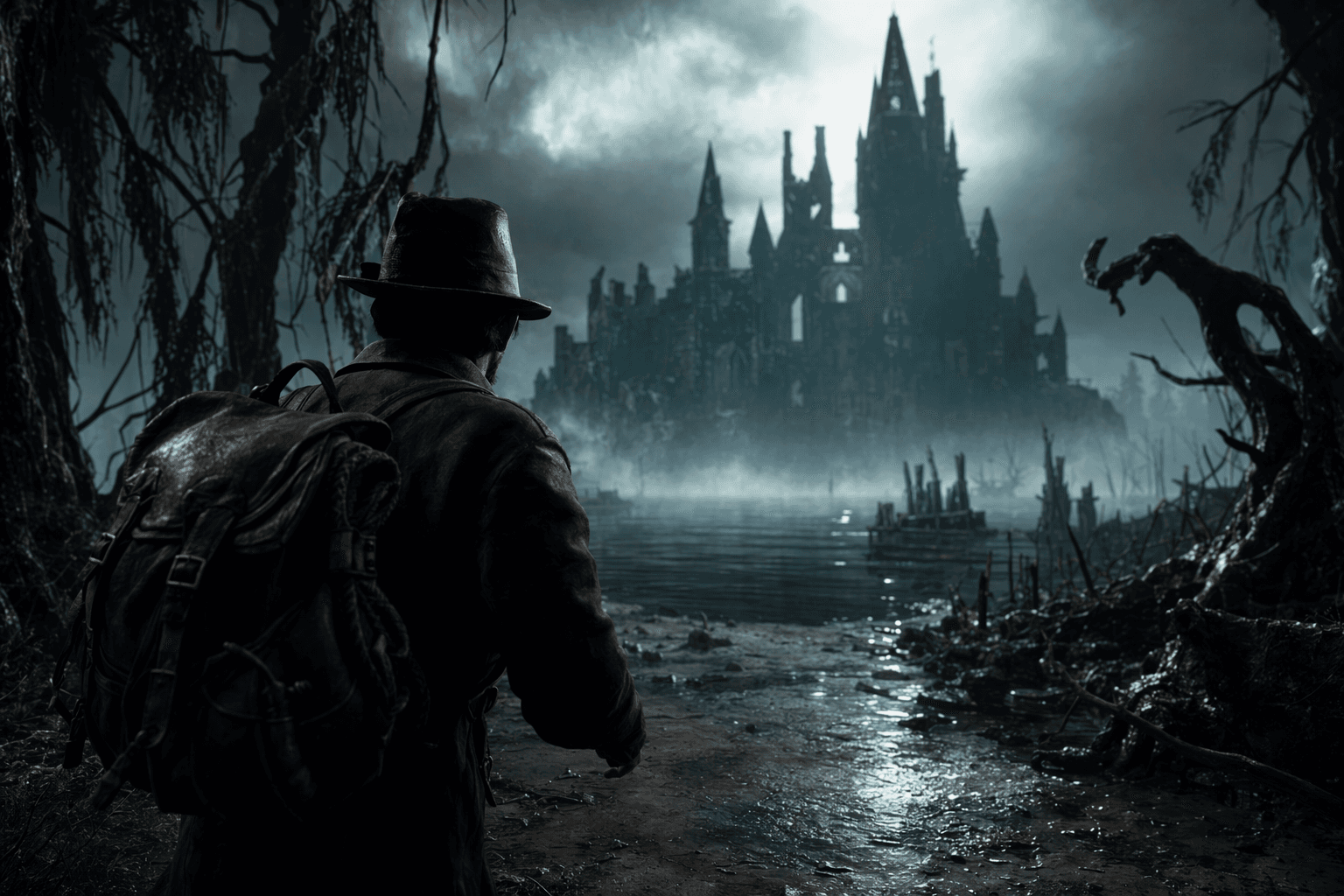
The biggest twist in The Sinking City 2 is not a monster, a flood, or a puzzle. It is the decision to walk away from the original game’s detective-first structure and build something that plays like a true survival horror title. Frogwares is not treating that as a small tuning pass. It is a deliberate reset of what this series is supposed to do moment to moment, and it comes with a clear gamble: the players who wanted more horror may finally get it, while the ones who loved the clue-chasing rhythm of the first game may feel the floor shift under them.
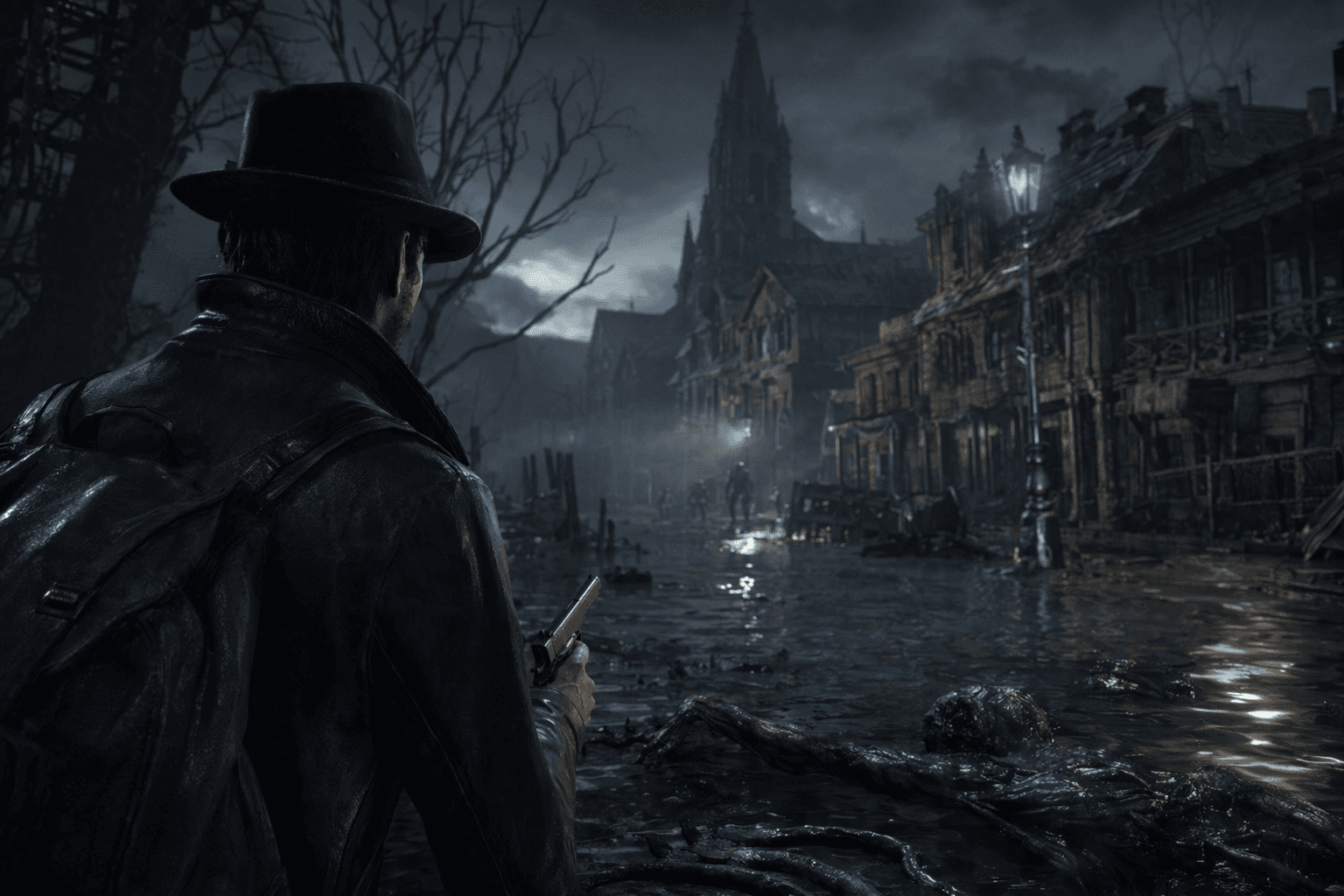
What made that original formula distinctive was its constant push and pull between investigation and atmosphere. The first game sent players through Lovecraftian Arkham with psychic vision, open-world clue hunting, and the slow process of piecing together strange events. That structure gave the game identity, but it also made the sequel question obvious. Should Frogwares build another mystery-heavy hybrid, or sharpen the horror into something more focused? The answer here is the latter, and the shift is meaningful because it changes not just the tone, but the entire pressure of play.
What stays the same, and what moves
The sequel still lives in the same Lovecraftian 1920s United States, so the setting is not being abandoned even as the design is. Frogwares has said The Sinking City 2 is a standalone story in the same universe and time frame as the original, but it is not a continuation of Charles Reed’s story. It also leaves Oakmont behind and moves the action to Arkham, which keeps the city-name familiarity but swaps out the old mystery board for a new stage.
That matters because this is not just a sequel with a new coat of paint. Frogwares is preserving the mood, the era, and the cosmic-dread framework, but changing the narrative machinery underneath it. A supernatural flood now sits at the center of the premise, helping push the game toward instability, scarcity, and the kind of environmental unease that survival horror thrives on. The identity remains Lovecraftian, but the structure is being tuned to make fear more immediate.
Why the detective work is no longer mandatory
Frogwares has described The Sinking City 2 as story-rich survival horror with investigation elements, but the crucial word is optional. Players can still chase clues, yet they are no longer forced into detective work to move forward. Instead, investigation is now a way to gain more supplies, unlock alternate routes, and uncover hidden secrets.
That change is the heart of the redesign. In the first game, solving the mystery was the spine of progression. In the sequel, the mystery becomes a tool inside a broader survival loop, which gives Frogwares more room to build tension around resource pressure and combat rather than around constant deduction. It also changes the pacing in a way that horror fans will recognize immediately: less time spent assembling answers, more time spent deciding whether the next hallway is worth the bullets and healing items it may cost.
The combat shift reinforces that idea. Early hands-on impressions point to fighting that feels satisfying on mouse and keyboard, and that detail matters because it suggests Frogwares is not treating combat as a necessary chore. It wants the player to feel the threat through a system that is responsive, not merely functional. That is a major difference from a detective adventure where combat can often feel like a disruption to the main attraction.
The horror influences tell you where Frogwares wants this to land
Frogwares is also signaling its ambition through the horror it is borrowing from. The sequel draws influence from The Thing and Alien, two touchstone works that treat fear as something slow, physical, and difficult to trust. That points to a game interested in isolation, contamination, and the sense that every room might become harder to survive than the one before it.
That is a broader horror target than simply imitating another game franchise. It suggests Frogwares wants The Sinking City 2 to feel like a survival horror conversation with cinema as much as with games, while still keeping the specific Lovecraftian identity that defines the series. For a studio best known for Sherlock Holmes adventures and the first Sinking City, that is a notable recalibration. It is still about observation and discovery, but now those elements are serving dread instead of driving a detective workflow.
The risk and reward of changing genre emphasis mid-franchise
This is where the sequel becomes more interesting than a standard follow-up. A genre shift like this can widen the audience, because survival horror players may be more drawn to a focused, tense loop than to an open-world mystery hybrid. The clearer combat, stronger resource management, and more direct horror cadence could make the game easier to understand at a glance, which is often a huge advantage for a series trying to grow.
But the same shift can also alienate returning players who liked the original precisely because it was messy in a genre-blending way. If the detective-heavy structure was the reason they stayed, then optional investigation may feel like a downgrade, even if the rest of the game is better built. That is the trade-off Frogwares is making: fewer mandatory clues, more concentrated fear. It is betting that the series will be stronger if it becomes more confident about what kind of game it wants to be.
The studio’s own history makes that bet even more interesting. Frogwares has long had to balance narrative ambition with practical design clarity, and The Sinking City 2 reads like an attempt to solve that tension by cutting away what did not fully serve the original vision. If that works, the sequel could become a clean example of how to preserve an IP’s identity while discarding the mechanics that held it back.
A difficult road to a summer release
The project’s path to release has not been smooth. Frogwares said in October 2025 that it was moving the release window to the first half of 2026 because the war in Ukraine was disrupting development with drone and missile attacks, power outages, and unstable working conditions. Later public messaging pointed to a summer 2026 release on PC, PlayStation 5, and Xbox Series X|S.
That timetable gives the game a window to prove that the redesign is more than a statement of intent. It also shows how much is riding on this pivot, because the studio is not only changing genre emphasis, it is doing so under severe real-world pressure. Kickstarter backers have already shown that there is appetite for the experiment, with €554,002 pledged by 6,181 backers.
In the end, The Sinking City 2 is not trying to be the sequel that simply answers the first game’s unanswered mysteries. It is trying to be the sequel that asks a different question altogether: what happens when a Lovecraftian detective game stops solving clues as its main job and starts fighting to stay alive instead?
This article was produced by Prism’s automated news system from verified source data, official records, and press releases, then run through automated quality and moderation checks before publishing. The system is built and supervised by the people who set the standards it runs under. Read our full AI policy.
Know something we missed? Have a correction or additional information?
Submit a Tip