Tim Cain says streaming culture is reshaping game design and criticism
Tim Cain says streamers and clips now shape both game design and the criticism around it, pushing studios toward safer, more clip-friendly choices.
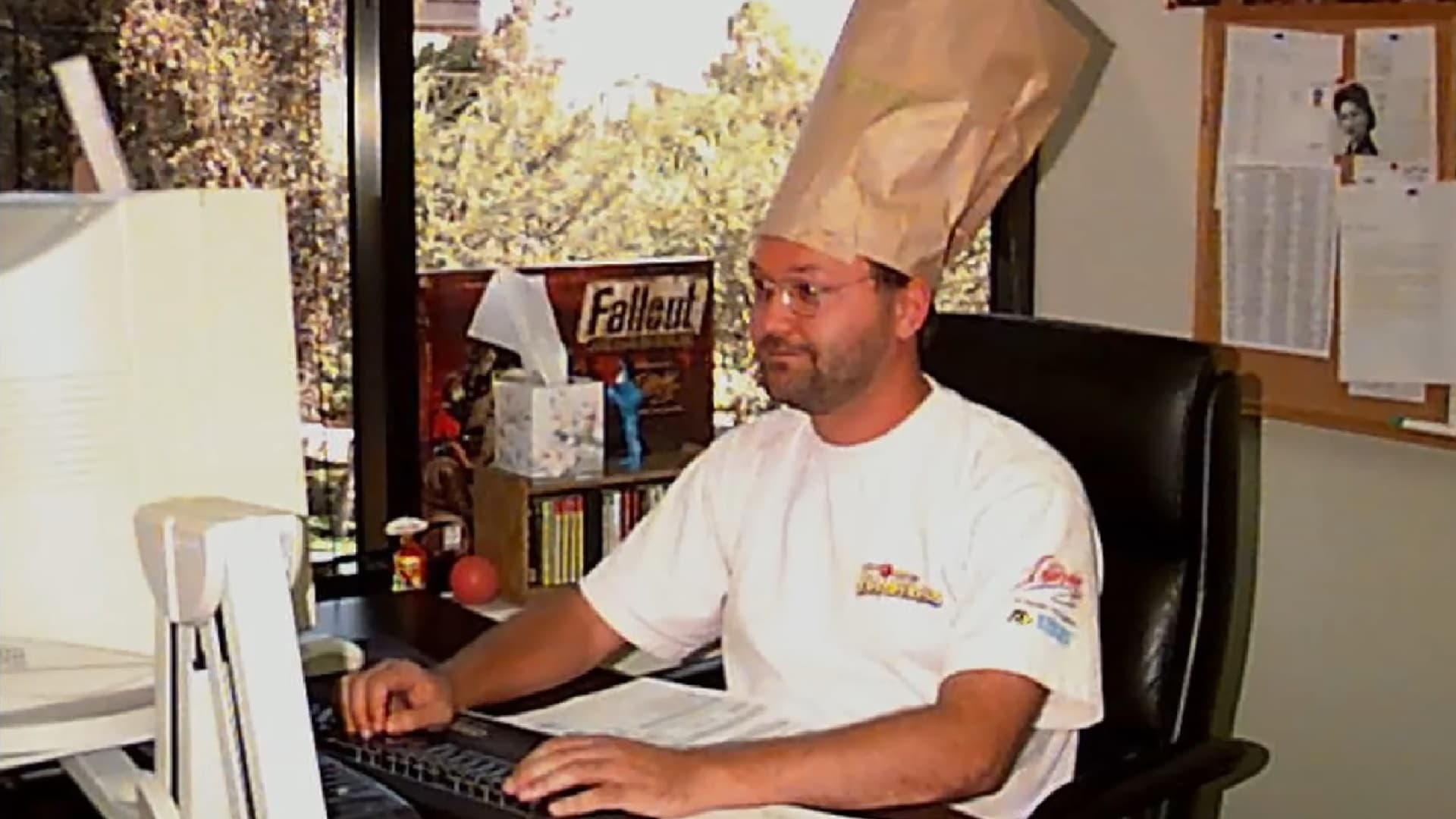
When 64% of 1,000 gamers say YouTube is where they discover games, Tim Cain’s warning lands as more than nostalgia. The Fallout co-creator says the industry has entered an era where developers have to think about what will work in a clip before they think about what will work in a campaign, and that shift is changing both the games players buy and the way those games get judged.
Cain laid out the argument through the lens of a career that spans more than 40 years. On Cain on Games, the YouTube channel where he has been summarizing his career since September 2023, he has built a public archive of design history, production lessons, and industry memory. The channel lists roughly 212,000 subscribers and hundreds of videos, which gives his critique unusual weight: he has watched games move from manual-heavy discovery and message boards into a world ruled by streaming, creator recommendations, and short-form reactions.
His core point is that the internet did not just speed up criticism. It changed the shape of criticism. Cain said players increasingly let the personalities they follow hand them an opinion to adopt, and he warned that parasocial relationships can blur the line between informed criticism and persuasion. He does not argue that all online opinion-sharing is unhealthy, and he said it is perfectly reasonable to follow reviewers whose taste matches your own. His concern is that the loudest voices can flatten nuance, reduce complex games to a few shorthand labels, and reward whatever travels fastest across social feeds.
That pressure feeds back into development. Cain said studios now have to ask what moments will be good for streaming or social media rather than simply what serves the game itself. In his view, that nudges design toward spectacle, compression, and safer choices that are easier to sell in a clip. He singled out genres like CRPGs, which often depend on slow-burn systems, dense writing, and long-form pacing, as especially vulnerable to a culture that favors instantly readable moments over patient play.
The wider market backs up his concern. A 2025 HypeAuditor report described influencer marketing as a major part of gaming promotion, and a separate survey found YouTube had become the biggest discovery channel for gamers. Academic work has reached a similar conclusion, with one 2017 paper calling live streaming a major new force in the industry and a 2021 review describing it as communication, social network, leisure, and entertainment all at once. Cain’s warning is blunt because the stakes are blunt too: when discovery, promotion, and judgment all move through the same streamer pipeline, the medium risks becoming more uniform, more cautious, and less willing to take the kind of creative risks that made it worth watching in the first place.
This article was produced by Prism’s automated news system from verified source data, official records, and press releases, then run through automated quality and moderation checks before publishing. The system is built and supervised by the people who set the standards it runs under. Read our full AI policy.
Did this article answer your question?