Troy Baker says Hideo Kojima values emotional impact over easy fun
Troy Baker said Kojima chases impact, not easy fun, as Death Stranding 2 spotlights the director’s taste for big swings and divisive reactions.
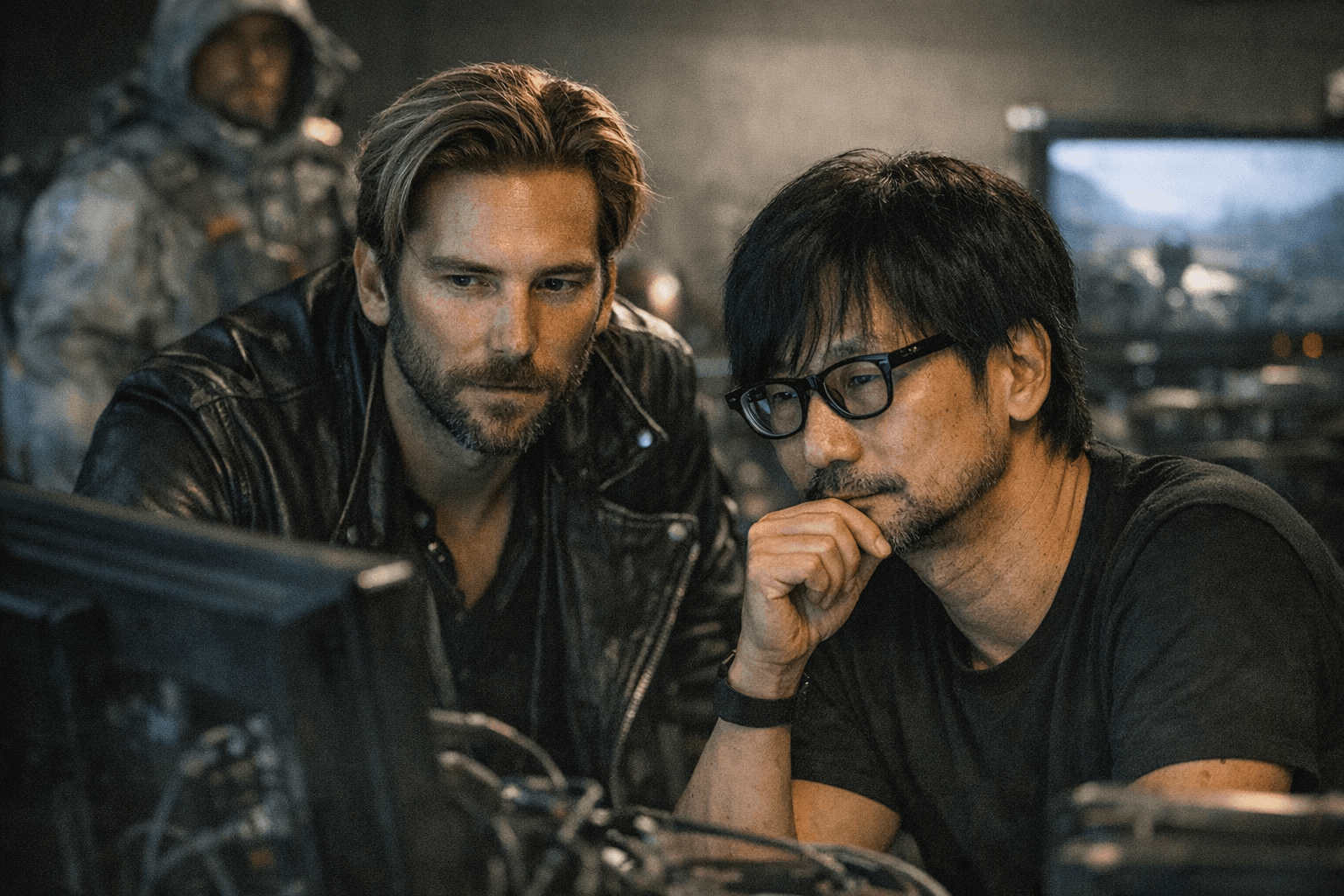
Troy Baker cast Hideo Kojima as a creator who would rather leave players rattled than merely amused, and that framing fits Death Stranding 2: On the Beach as well as anything else in Kojima’s catalog. Speaking ahead of the 2026 BAFTA Game Awards, Baker said Kojima values emotional impact over easy fun, describing him as someone who “swings big” creatively and who trusts the teams around him to pull off ideas that should not work on paper.
That idea has become the core of the Kojima conversation around Death Stranding 2. The sequel launched on PlayStation 5 on June 26, 2025, then arrived on PC on March 19, 2026, and has drawn fresh debate over whether Kojima softened his style to make the game more broadly playable. Baker’s read is the opposite: Kojima still wants the game to hit hard, even if that means leaving some players cold.
Kojima has said as much himself. In a 2025 Edge interview, he said he was “not interested in making something that appeals to everyone,” a line that cuts to the center of why his games keep splitting audiences. He also recalled monitoring tests for the original Death Stranding, where roughly four out of ten players loved it while six thought it was terrible. Kojima said he considered that split a good balance, not a problem to solve.
That history matters because it explains why Death Stranding 2 is being watched as more than just a sequel. Kojima said test reactions to the new game were more positive than they were for the first Death Stranding, but he also said he wished the sequel had been a little more controversial. In other words, cleaner approval was not necessarily the goal.
Baker’s comments sharpen the distinction between mainstream blockbuster design and the Kojima approach. The usual industry impulse is to sand down friction, widen appeal, and keep the experience constantly fun. Kojima keeps leaning into mood, risk, and surprise, trusting Kojima Productions and the larger support structure around him to turn odd ideas into playable form. For players, that means Death Stranding 2 was never likely to be a simple crowd-pleaser. It was built to be felt first and enjoyed second, which is exactly why Kojima’s games keep inspiring the same argument: whether the job of a game is to entertain everyone or to leave a mark that lasts after the credits roll.
This article was produced by Prism’s automated news system from verified source data, official records, and press releases, then run through automated quality and moderation checks before publishing. The system is built and supervised by the people who set the standards it runs under. Read our full AI policy.
Did this article answer your question?