Valve's Steam redesign reignites indie fears over discoverability
Valve’s Steam redesign put the Popular Upcoming tab back in the indie crosshairs. Smaller teams fear buzz will outrank visibility.

Valve’s refreshed Steam Store home page landed with a familiar warning light for indie developers: on the biggest PC storefront in the world, even a small change in what gets surfaced can decide which games get remembered and which games disappear into the scroll. The new layout put the Popular Upcoming tab under sharper scrutiny because it now leans harder into the month’s most anticipated releases, while players looking for niche titles are pushed toward the Personal Calendar.
Valve said the store home update, released on June 4, was meant to make the page feel more cohesive and give users more ways to discover and learn about games. The redesign added and refreshed features such as micro-trailers, adjacent-game previews in carousels, a personalized calendar, and a Discovery Queue refresh. Valve said the Popular Upcoming tab changed in response to player feedback, but the practical effect for small teams is obvious: on Steam, attention is not just attention. It is wishlist momentum, launch-day velocity, festival performance, and sometimes whether a game ever builds a real audience.
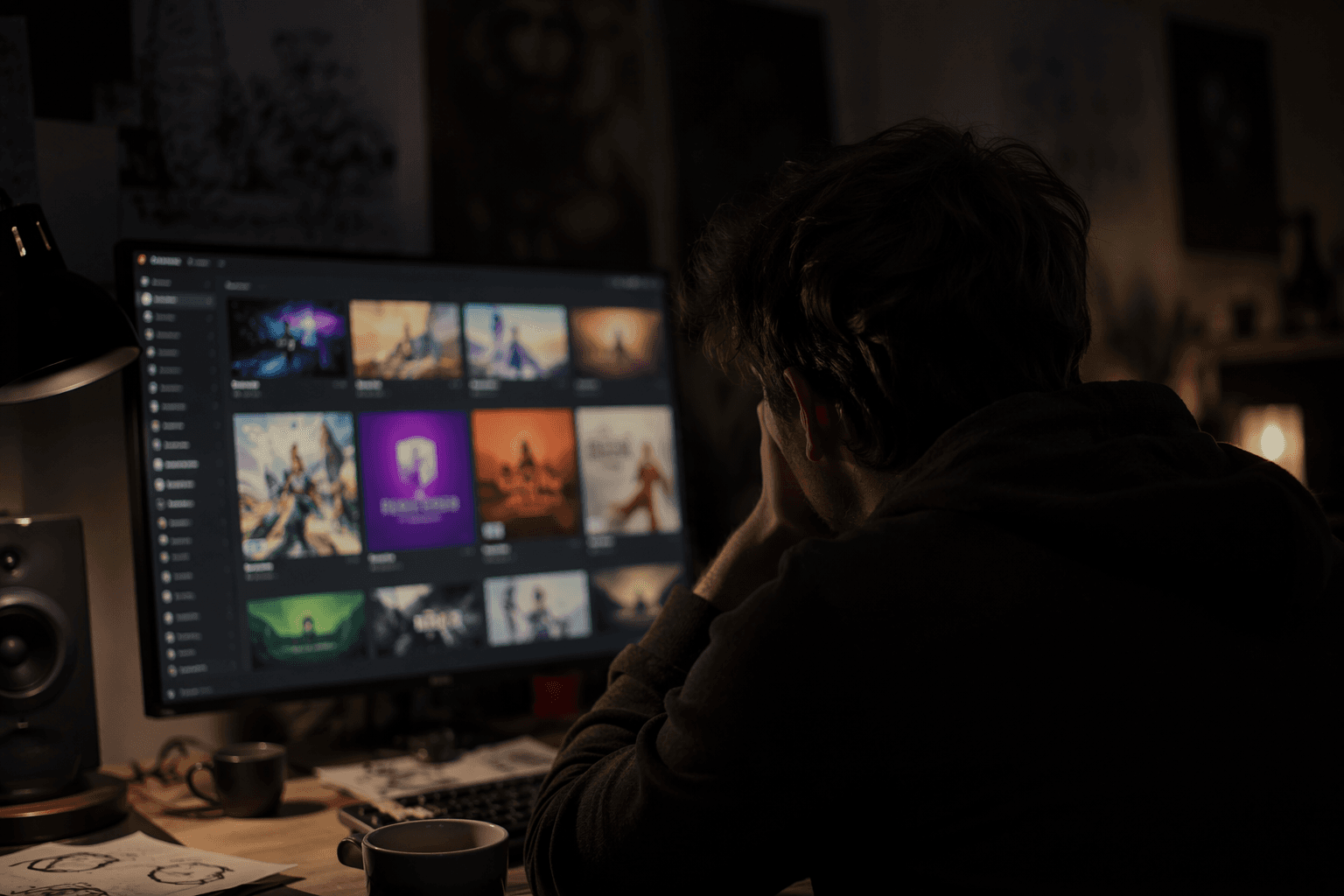
That is why the reaction split so quickly. Some indie developers said the redesign improved their visibility, which is no small thing on a store where the front page can make or break a release. Others saw the same changes as another turn in Steam’s long-running discoverability problem, where already-buzzy projects tend to compound their advantage while experimental or niche games struggle to get a foothold. Steamworks has been blunt that discoverability is constantly evolving as the store grows, and that tension sits at the center of every homepage tweak.
Valve has also been building better tools to measure the problem. In March 2026, it added a Wishlist Data API that exposes overall wishlisting totals, country-level breakdowns, and wishlist totals by language, with updates typically arriving within a few hours and older history rarely changing after publication. That makes wishlists easier to track, but it also underscores how much the market has come to depend on them as a proxy for survival.
The pattern is not new. In 2019, Valve’s Discovery update was supposed to surface more relevant, less-popular games, yet some indie developers said it still favored popular releases and hurt wishlist performance. Valve has also framed Steam Next Fest as a way for developers to gather feedback and build an audience before launch, which is exactly why a front-page redesign can feel so consequential. Steam may have polished its storefront, but the old fight remains the same: whether the store’s best real estate broadens the field for small games, or quietly narrows it around the names that are already loudest.
This article was produced by Prism’s automated news system from verified source data, official records, and press releases, then run through automated quality and moderation checks before publishing. The system is built and supervised by the people who set the standards it runs under. Read our full AI policy.
Know something we missed? Have a correction or additional information?
Submit a Tip