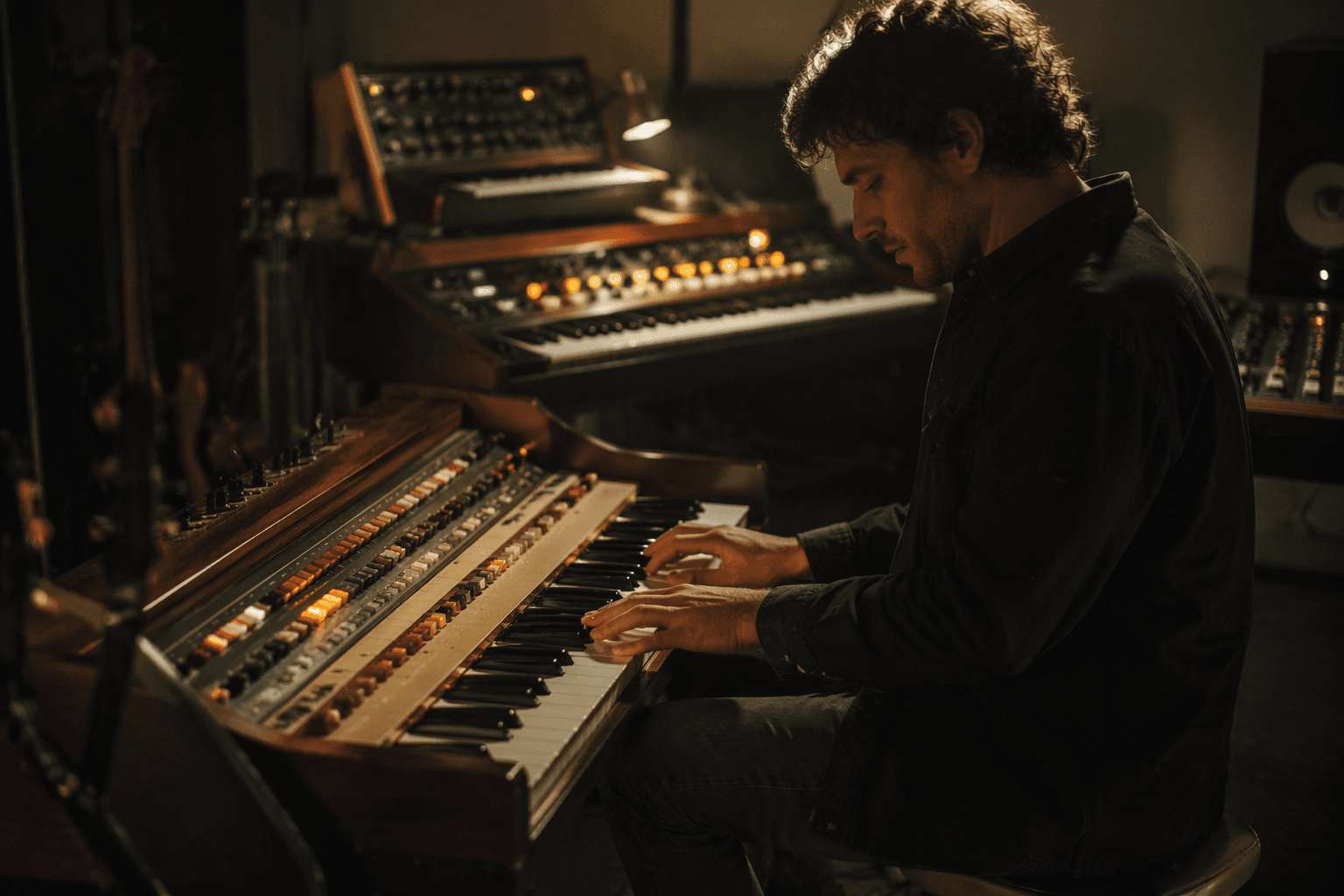
Akai MPC Live III Retro Edition revives late 1980s MPC style
Akai’s MPC Live III Retro puts a late-’80s face on a modern MPC3 flagship, but the real test is whether the nostalgia is earned.
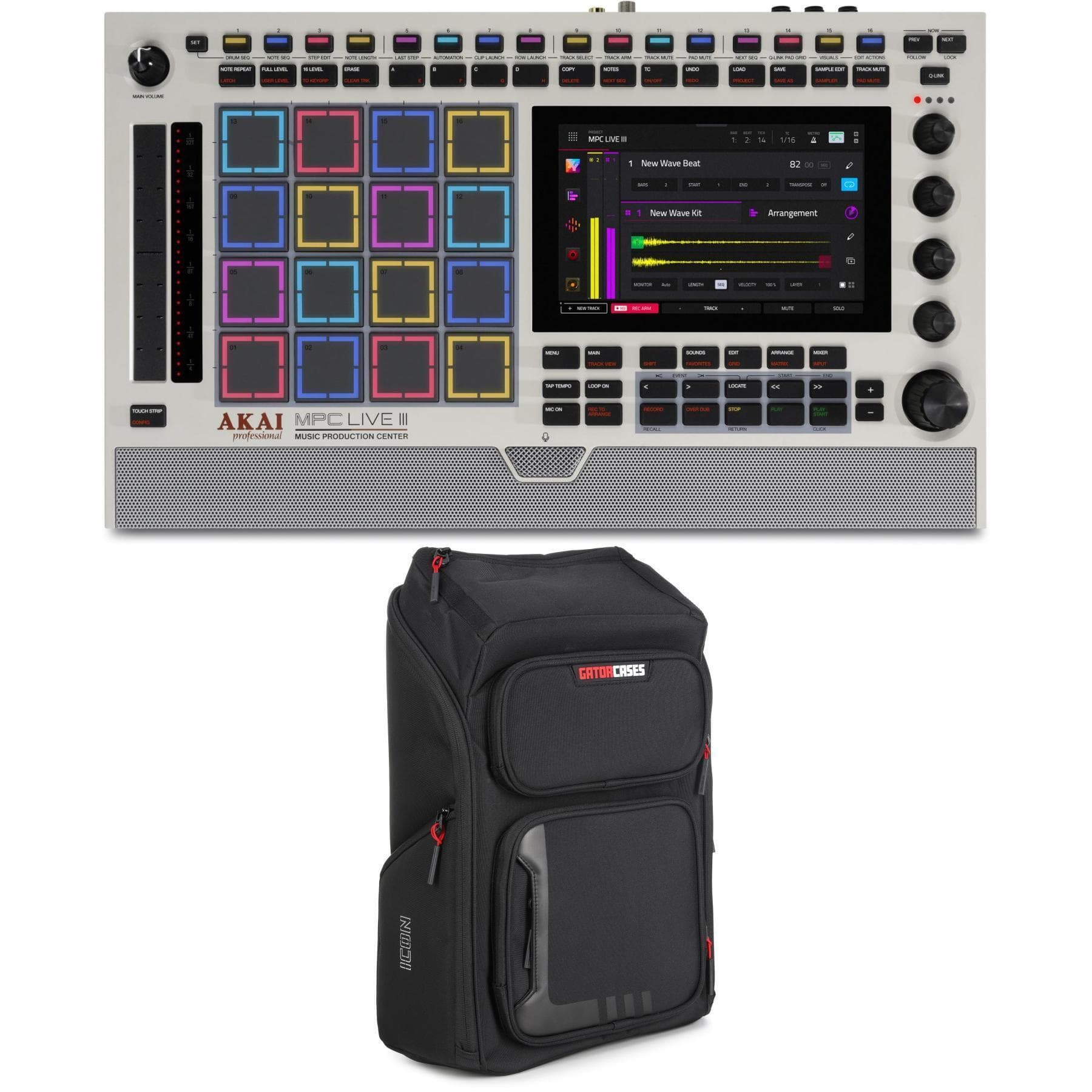
The MPC Live III Retro is Akai Professional trying to bottle the late-’80s MPC aura without giving up the very modern machine underneath. The company has wrapped its current standalone flagship in a retro finish that nods straight back to the original MPCs, the boxes that helped define beatmaking and hip-hop culture, and that is the whole point of the exercise.
Akai’s own framing makes the lineage clear. The original MPC story starts with the MPC60 in 1988, co-designed with Roger Linn, and the company is leaning hard on that history now. Andy Mac, Akai Professional’s creative global marketing and artist relations manager, said the original MPCs “shaped culture,” and the Retro colorway was intentional. That is not just branding fluff. It is Akai saying the look matters because the myth matters, and because the MPC name still carries weight with people who remember when pad-based sampling was a revelation instead of a spec sheet bullet.
Under the paint, though, this is still the MPC Live III. Akai says the Retro edition runs on the MPC3 platform and keeps the full standalone workflow: sequencing, sampling, synthesis, audio recording, and performance tools in a portable box. The spec list is serious. Akai and Synthtopia cite an 8-core processor architecture, 8GB of RAM, 128GB of internal storage, support for up to 32 plugin instrument tracks, 16 stereo audio tracks, and 256 stereo voices. It also carries 16 MPCe pads with velocity, pressure, and 3D positional sensing, a 7-inch multitouch display, Q-Link encoders, built-in stereo monitors, an onboard condenser microphone, and a rechargeable battery.
The connectivity pushes it well beyond old-school nostalgia. Retail listings and Akai materials point to dual combo inputs, phono inputs for turntable sampling, six analog outputs, CV/gate outputs for modular rigs, DIN MIDI I/O, Wi-Fi, Bluetooth, USB-C, and support for legacy MPC project formats. That means the Retro edition is not just dressed like a classic. It is built to sit in a current studio, drive modular gear, and still talk to older MPC sessions. Akai’s 3D-sensing MPCe pads also add X/Y control, sample blending, note repeats, and articulations, which keeps the performance side of the platform front and center.

Timing matters here too. The Retro edition went on sale beginning May 28, 2026, at $1,699 in the U.S., with reported pricing of €1,649.99 in Europe and £1,399.99 in the U.K. That puts it firmly in premium special-edition territory, not bargain-bin reissue land. Akai launched the standard MPC Live III on October 2, 2025, so this was never a separate retro product line. It was a branding move built on an already-new flagship.
That is the tension inside the MPC Live III Retro, and it is what makes it worth watching. Akai did not rebuild the MPC idea from the ground up. It dressed a current MPC3 powerhouse in the language of the late-’80s machines that made the brand famous, then asked whether the mythology still holds up. In this case, it mostly does because the old story is still doing real work on a very new box.
This article was produced by Prism’s automated news system from verified source data, official records, and press releases, then run through automated quality and moderation checks before publishing. The system is built and supervised by the people who set the standards it runs under. Read our full AI policy.
Did this article answer your question?