Amorph Beta 0.9.9 Lets Synth Designers Prompt Custom Instruments and Interfaces
Amorph Beta 0.9.9 now generates both a DSP engine and a fully automatable UI from a single text prompt, making playable plugin prototypes a one-step process.
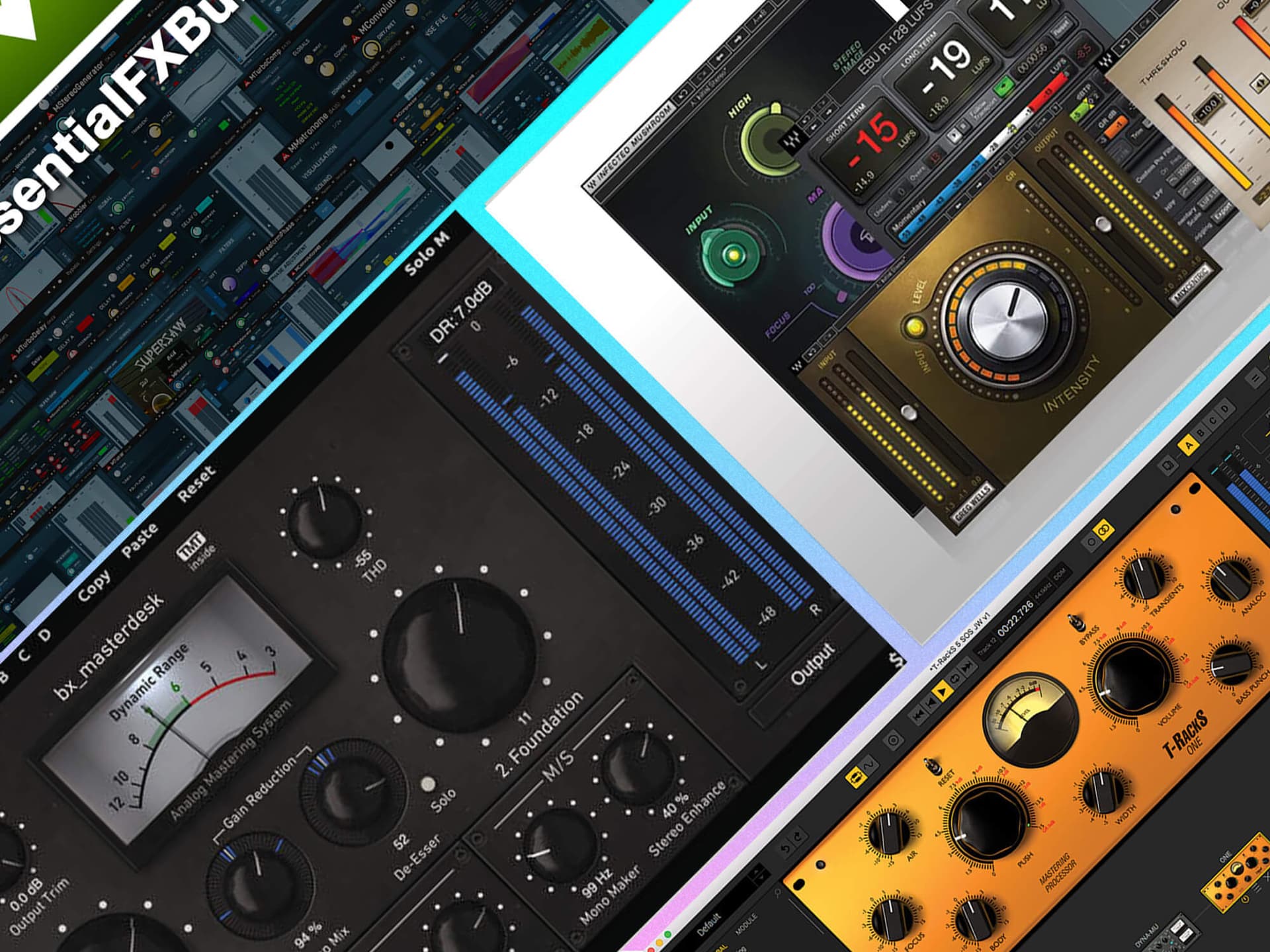
Amorph Beta 0.9.9 can now generate a complete, automatable control interface alongside its DSP code, cutting one of the last manual steps between a text prompt and a finished, playable plugin. Artists in DSP released the update on April 3 as a free beta download.
Earlier versions of Amorph could translate natural-language descriptions into working audio processing code, but the matching control surface had to be assembled separately. The 0.9.9 build closes that gap: describe an instrument in plain text, and the plugin produces both the DSP engine and the corresponding knobs, sliders, and editors, all automatable from a host DAW. The release also adds stability improvements, performance optimizations, and an expanded set of templates and examples designed to give prompt authors better scaffolding when building instruments quickly.
For the vintage synth community, Amorph's appeal is not in cycle-accurate circuit modeling but in collapsing the time between sonic concept and playable result. An informed prompt can generate a per-note compressor shaped after hardware behavior, a bucket-brigade filter approximation, or a multi-mode resonator that borrows from classic gear, without requiring the firmware-level disassembly that MAME-based projects like Gearmulator demand. The automatic UI generation is especially useful here: it converts an experimental DSP patch into something with real, mappable controls that a performer can use on stage or in a session.
The more speculative use case involves hybrid instruments that pull vintage timbres without copying original firmware. A Transwave-style wavetable paired with granular modulation could be roughed out in a single prompt session, refined across a few iterations, and exported as a working plugin far faster than conventional DSP authoring allows. Artists in DSP positioned the update around exactly that kind of creative velocity, framing the goal as letting users "prompt your own instruments and FX and customize the UI exactly how you want."
Community response around the release has divided along familiar lines. Proponents of rapid prototyping see 0.9.9 as a practical accelerant. Those with long-term plugin projects in mind remain skeptical about the durability of AI-generated DSP under sustained development. With the tool still in beta, that debate will likely sharpen as more users build with it and report back.
For purists, firmware-level reconstruction projects remain the gold standard for authentic vintage recreation. But for makers, educators, and sound designers who care more about timbre than transistor topology, Amorph 0.9.9 shortens the road from idea to instrument considerably, and the community prompt libraries that follow may be what makes it stick.
Know something we missed? Have a correction or additional information?
Submit a Tip