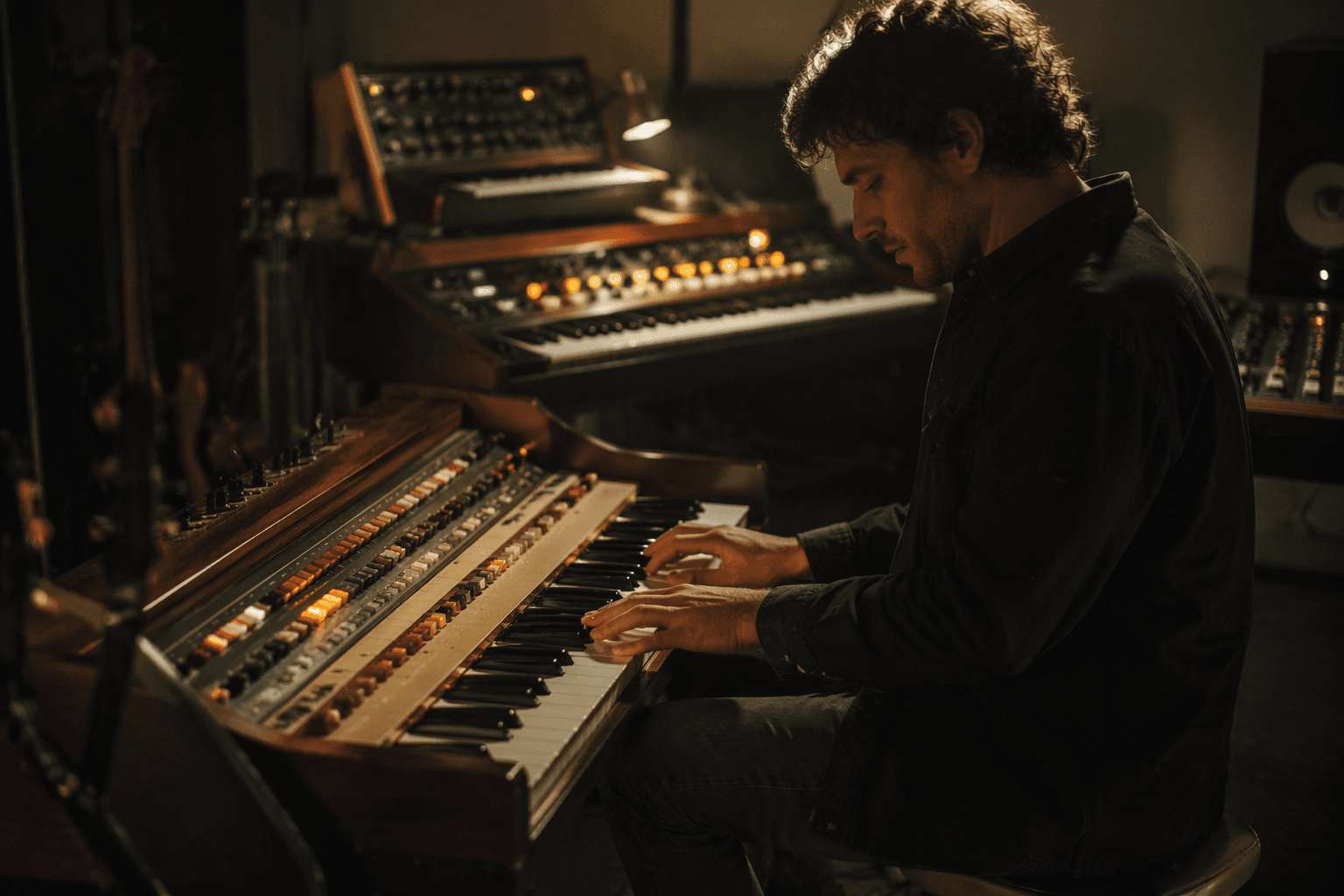
Five chord synths driving a new wave of easy harmony
Chord synths are back, but the real story is old preset logic in a sharper, more playable form. These five machines show what players gain, and what they give up.
The 1981 Omnichord still explains the whole trend
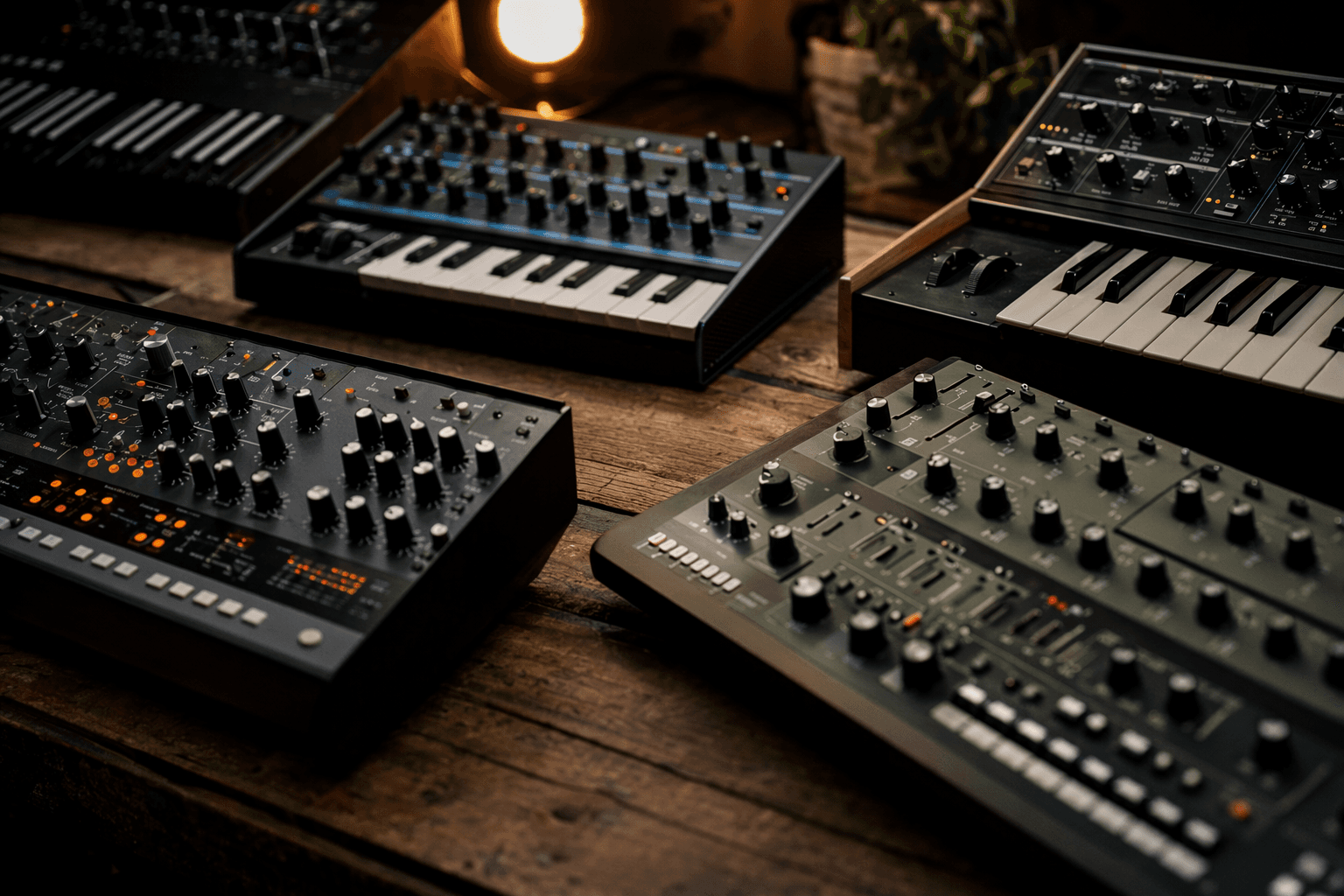
The easiest way to understand the chord-synth comeback is to start where Suzuki started: the original Omnichord, released in 1981 as an electronic musical instrument with auto bass and chord accompaniment, plus a harp sensor and strumplate. That formula stripped away a lot of the friction that keeps people from harmony-heavy playing, because you could trigger chords with buttons and turn them into motion with a finger sweep instead of a full theory lesson. It felt closer to a preset keyboard idea than to a traditional synth workout, but the tactile strumplate gave it a personality that home keyboards never quite matched.
That is why the Omnichord still matters as more than a retro curiosity. It sits in the same historical lane as chord-memory buttons on home keyboards, string-machine presets, and early polys that were built to make harmony accessible fast, but it did so with a more playful, more visual interface. For collectors, that old-school simplicity is part of the appeal: it is instantly understandable, easy to demo, and very hard to confuse with a modern workstation.
The OM-108 proved the format never really left
Suzuki brought back the idea in the OM-108 because customer demand never disappeared after the last Omnichord model was discontinued. The new version was officially introduced at NAMM 2024, with release timing set for July 2024, which made the return feel less like nostalgia bait and more like a manufacturer finally listening to a long-running message from players. In other words, the category did not need to be invented again. It needed to be reopened.
The OM-108 also benefited from the kind of cultural glow that only a few instruments ever get. Coverage around the revival tied renewed interest to Damon Albarn and Gorillaz, including the use of Omnichord parts on “Clint Eastwood,” which matters because it shows the instrument is not just a beginner shortcut. It has a recognizable sound that can survive outside novelty territory, and that gives the OM-108 a better shot at long-term relevance than a one-off toy ever would.
The OM-108 Red turns accessibility into collector heat
Suzuki’s limited-edition OM-108 Red takes the same instrument and adds a collector angle that vintage-synth people know all too well. The colorway was inspired by the original 1981 red version, and a retail notice in 2026 said only 1,000 units worldwide would be made. That kind of limitation changes the conversation fast, because the value is no longer just in the chord buttons and strumplate. It is also in scarcity, presentation, and the likelihood that a future buyer will care.
That is the tradeoff with special editions like this one. You do not gain new harmonic capability, but you do gain a stronger resale story and a clearer place in a collection. If you want the OM-108 as a working instrument, the standard version already delivers the core experience. If you want the one that will stand out on a shelf or in a marketplace listing, the Red is the one that will make people stop scrolling.
AlphaTheta’s Chordcat shows how fast the idea can become a songwriting tool
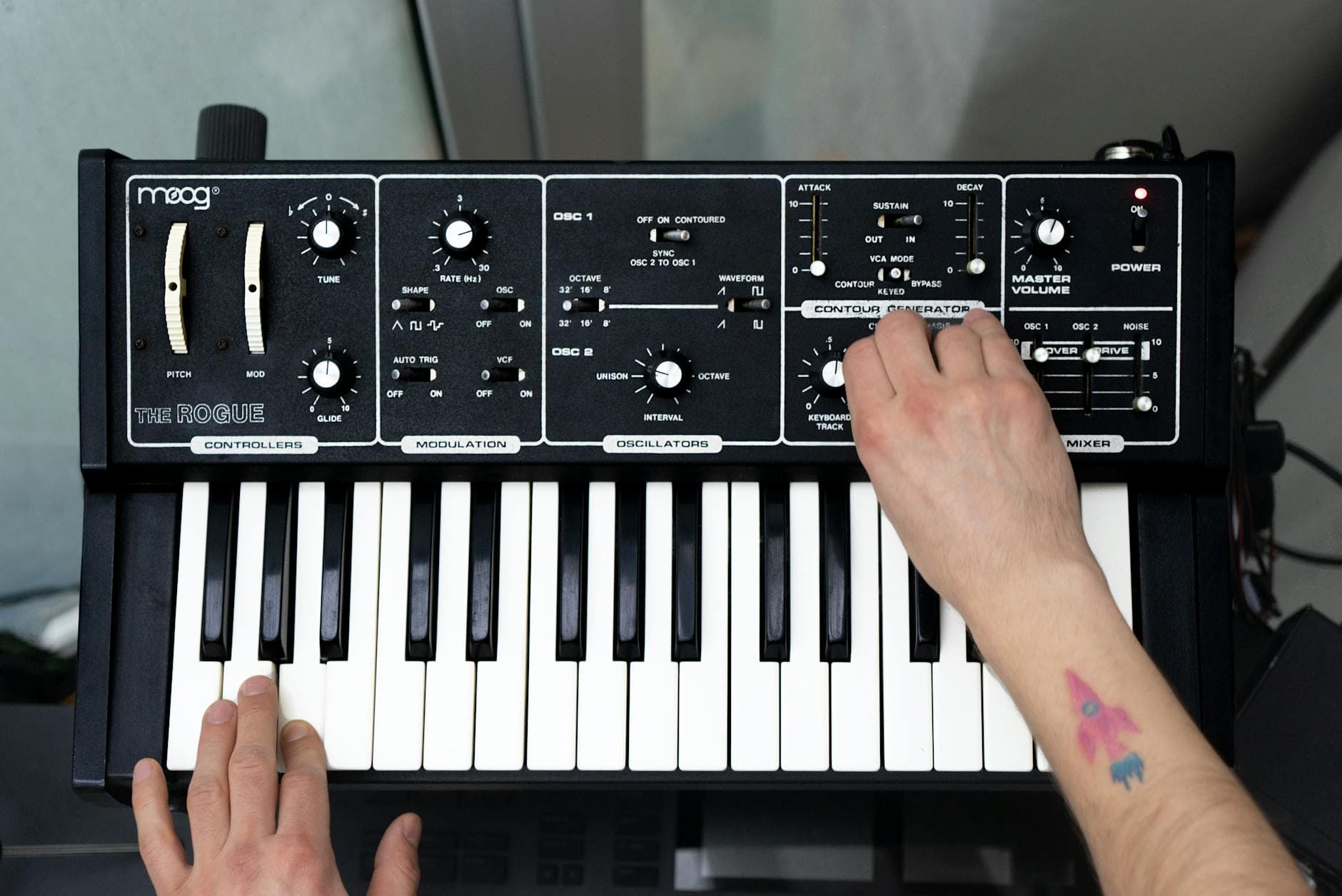
AlphaTheta’s Chordcat pushes the concept away from pure nostalgia and toward guided creativity. Its “Chord Cruiser” feature is built around chord suggestions that spark ideas, which makes the machine feel less like a retro oddity and more like a prompt generator for people who want to move quickly. That is a meaningful shift, because the old preset chord idea was often about convenience first and inspiration second. Here, the suggestions are part of the creative engine.
For players, that means speed, but it also means a different kind of limitation. A chord-suggestion system can get you from blank page to usable progression very quickly, yet it can also keep you inside a narrower harmonic lane if you lean on it too hard. Compared with vintage preset machines, Chordcat feels less like a replacement for knowledge and more like a set of training wheels that can stay useful even after you know the road.
Telepathic Instruments’ Orchid points to the next stage of the category
Telepathic Instruments markets Orchid as a chord-generating synthesizer with intuitive chord creation and polyphonic sound engine, and that framing tells you a lot about where this trend is headed. Instead of treating chord access as a quirky side feature, Orchid makes it central to the instrument’s identity. It is not just helping you find harmony faster. It is turning harmony into the instrument’s main performance language.
That matters for players because it changes what is gained and what is lost. You gain programmability, polyphonic performance options, and a modern workflow that can feel broader than the fixed personality of an Omnichord or preset keyboard. You lose some of the immediate, one-voice character that made older chord machines so charmingly specific. Alongside names like Benjamin Polive, AlphaTheta, and Telepathic Instruments, Orchid shows that chord synths are no longer just a retro reference. They are becoming a real design category, built for instant harmony, fast results, and a playing experience that sits somewhere between nostalgia and new invention.
What makes this wave interesting is not that it invents harmony from scratch. It is that it keeps rediscovering the same promise and packaging it for a different generation of players. The best of these machines still do what the old ones did: make chords easy, make ideas audible, and make you reach for the instrument again instead of the manual.
This article was produced by Prism’s automated news system from verified source data, official records, and press releases, then run through automated quality and moderation checks before publishing. The system is built and supervised by the people who set the standards it runs under. Read our full AI policy.
Did this article answer your question?