How Blondie's Heart of Glass turned the Roland CR-78 into a pop landmark
Blondie’s hit turned a CR-78 preset into a defining pop groove, and its trigger-driven quirks still expose what modern clones struggle to fake.
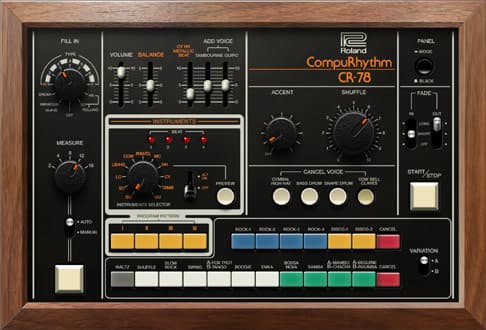
Roland Cloud’s Selective Synthesis take on “Heart of Glass” is more than a nostalgia pass. It is a clean, practical reminder that the Roland CR-78 was never just a box for keeping time, but a machine that could tilt a whole arrangement into a new shape. Blondie’s opening bars show exactly why collectors still care: the groove sounds programmed, human, and oddly alive all at once.
The opening pattern is the clue
The song’s famously syncopated opening traces straight back to the CR-78 pattern Jimmy Destri brought into the sessions. That detail matters because the machine is not behaving like a neutral metronome here. It arrives with a preset feel already embedded in the rhythm, and that built-in character is part of why the track lands so quickly and so cleanly.
Mike Chapman heard commercial potential in a song that had been sitting around in another form, and the transformation is easy to hear once the CR-78 locks in. Blondie’s punk-to-disco pivot could have sounded like a calculated genre switch, but the machine gives it a firmer identity. The groove feels futuristic because it is so mechanical, yet it still reads as late-1970s pop because the pattern is so specific and so of its moment.
That tension is the first thing to listen for on a CR-78, whether you are hearing the original hardware, a clone, or a software recreation. The machine’s charm is not that it sounds like a generic drum kit. It is that it sounds like a preset personality, one with a recognizable pulse and a built-in way of leaning against the bar line.
When the drum machine starts shaping the song
The CR-78’s biggest trick on “Heart of Glass” is that it does not stay in the percussion lane. Roland notes that it triggered pulses to other synths in the studio, and those pulses created the stuttering keyboard motif that sits at the heart of the recording. That is the moment where the machine stops being accompaniment and starts acting like part of the song’s harmonic engine.
For vintage-synth people, this is the part that makes the track such a useful reference point. The CR-78 is not just heard, it is felt in the motion of the arrangement. The stuttered keyboard line is not floating above the rhythm section like an added texture. It feels born from the same control logic as the drum pattern, which is why the record has such a tight internal logic.
That is also why this sound is hard to fake convincingly. Plenty of recreations can approximate a vintage drum tone, but “Heart of Glass” is built on the relationship between rhythm and trigger behavior. If the pulses do not push the synths in the right way, the whole thing loses the sense that the groove is generating the arrangement rather than simply backing it.
Clem Burke’s hi-hat and the human push
The CR-78 does not carry the whole song by itself. Roland also points to Clem Burke’s propulsive hi-hat backbeat, which adds a human surge to the machine’s measured pulse. That combination is the real engine of the track: a drum machine with a fixed personality, plus a drummer who knows exactly how to energize it without smothering it.
This is where the song’s sheen becomes something more than a disco adaptation. The hi-hat gives the groove lift, but it also exposes the machine’s limits in a useful way. The CR-78 provides the spine, while Burke’s playing keeps the track from feeling sealed inside the preset. You can hear the dialogue between the two, and that dialogue is a big part of why the record still feels fresh.
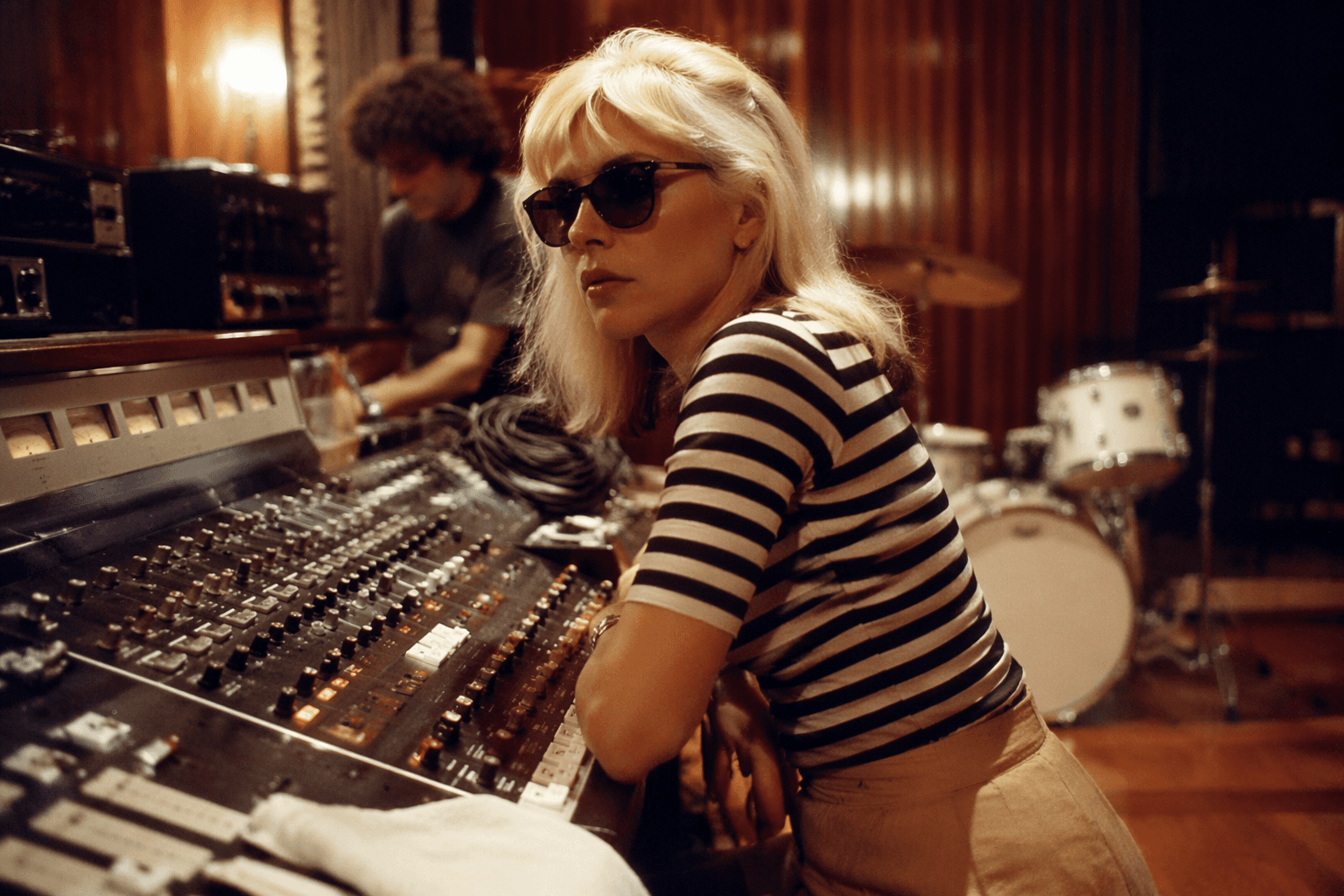
The middle section adds one more layer of interest. It slips into 7/8 time before returning to the main groove, which makes the arrangement feel more engineered than casual. That meter change is a reminder that “Heart of Glass” is not only a hit single, but a production achievement built from very deliberate choices.
What to listen for on your own unit, clone, or software recreation
If you want to hear why the CR-78 remains such a collector favorite, “Heart of Glass” is the fastest way in. Start with the opening pattern and notice whether it has that preset snap, the sense that the machine already knows where its accents belong. Then listen for the point where the drum pattern seems to pull the synth line into motion, because that trigger-synth interaction is the song’s secret weapon.
A good test run usually comes down to a few specific checks:
- Does the opening groove feel like a recognizable pattern, not just a generic disco pulse?
- Does the keyboard stutter move with the drum logic, or does it sit separately on top?
- Does the hi-hat backbeat add forward motion without flattening the machine’s character?
- Does the 7/8 middle section feel like a genuine structural turn, then snap back cleanly?
If a recreation sounds technically correct but emotionally thin, the missing piece is often that interplay between preset feel, trigger logic, and live drumming. The CR-78 on “Heart of Glass” works because it spills beyond percussion and into the song’s identity. That is the mark of a machine that mattered then and still matters now.
The reason this track keeps getting revisited is simple: it shows the CR-78 doing what collectors love most, revealing its own limits while turning those limits into style. “Heart of Glass” does not hide the machine, it spotlights it, and that is why the opening still sounds like a clue every time it comes around.
This article was produced by Prism’s automated news system from verified source data, official records, and press releases, then run through automated quality and moderation checks before publishing. The system is built and supervised by the people who set the standards it runs under. Read our full AI policy.
Know something we missed? Have a correction or additional information?
Submit a Tip