Just Can’t Get Enough shows how synth limits made pop history
One note at a time, Depeche Mode turned a hardware constraint into a first Top 10 hit and a synth-pop calling card that still lands live.
The limit became the hook
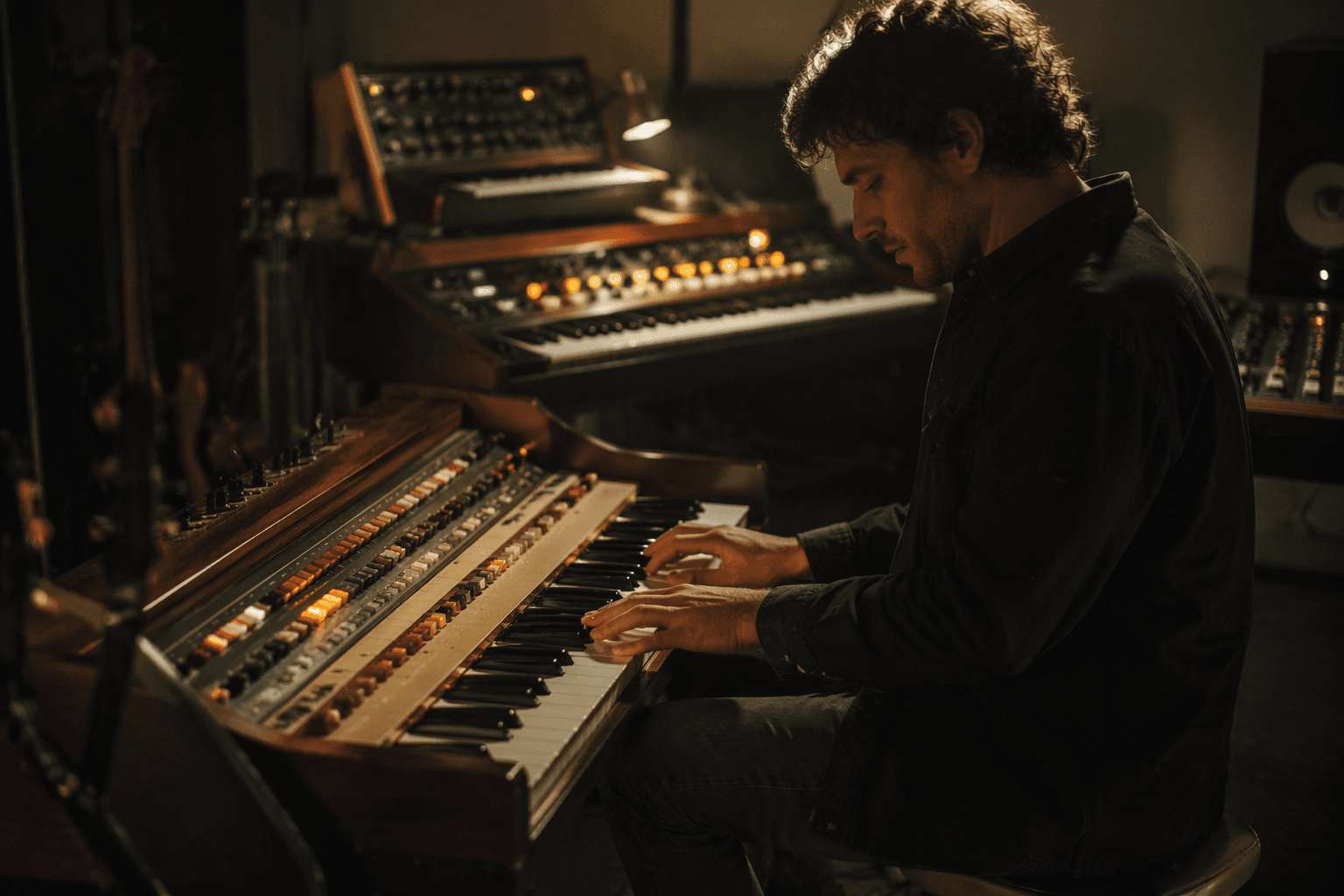
Just Can’t Get Enough is the rare synth-pop song that sounds bigger because it was built smaller. Depeche Mode were still at the start of their career when they cut it, and the arrangement’s bright, fast-moving pulse came from a practical restriction: the synth setup pushed the band toward one note at a time instead of chordal playing. That limitation did not flatten the song. It gave the track its clean, instantly memorable shape, the kind of melody line that cuts through on first listen and still works as an encore decades later.

For vintage-synth players, that is the real lesson. Early hardware did not just color the record; it defined the writing. When the instrument forces economy, every note has to count, and that pressure often produces the kind of riff that outlives the gear itself.
From early Depeche Mode to pop breakthrough
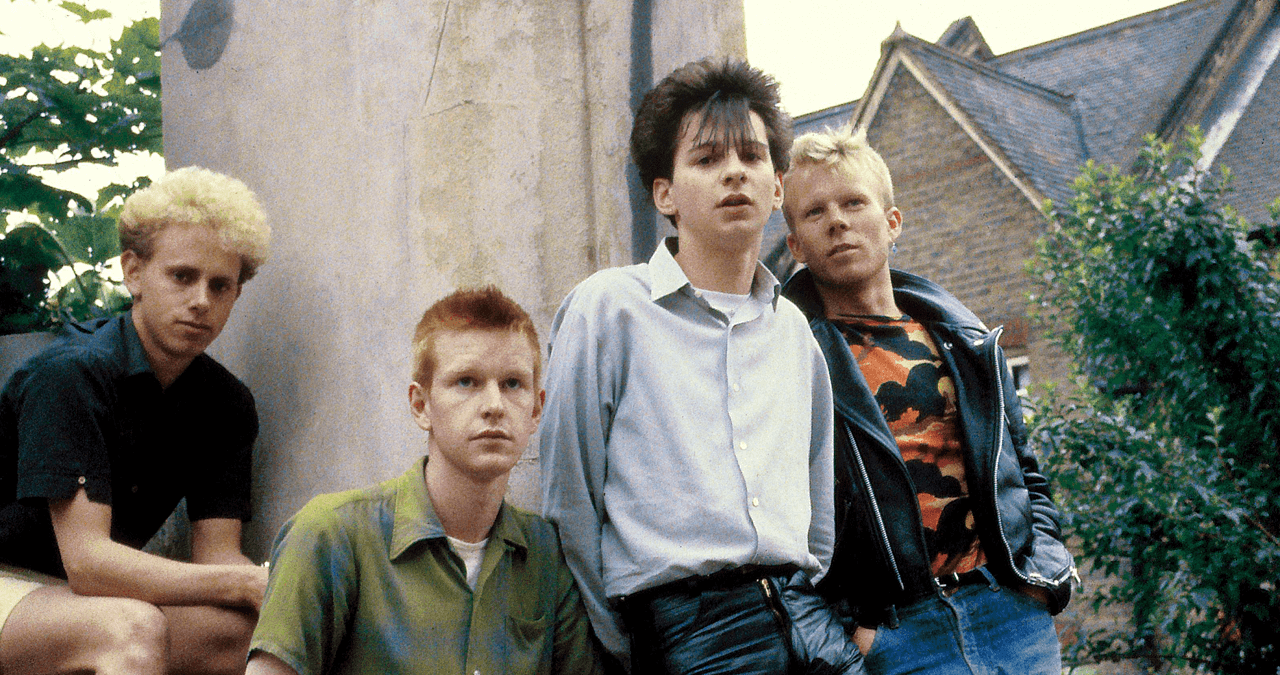
Just Can’t Get Enough arrived in the United Kingdom on September 7, 1981, as Depeche Mode’s third single and their first Top 10 hit. It also sat on Speak & Spell, the band’s debut album, which came out in 1981 and peaked at No. 10 on the UK Albums Chart. That combination matters because it marks the moment when the band stopped sounding like a promising new synth act and started sounding like a pop force with real reach.
The song was also the last Depeche Mode single written by Vince Clarke before he left later that year, making it a hinge point in the band’s history. Clarke’s exit closed the opening chapter of Depeche Mode’s story and opened the path to the darker, more minor-key identity that would define the group later. In other words, this was not just a hit single. It was the end of one lineup era and the start of another.
Why the one-note feel works
The strongest idea behind the song is simple: restriction can sharpen identity. Depeche Mode were not approaching the track like a chord-heavy rock band with endless harmonic options. The synth setup, as the story frames it, kept the part lean and single-line, which made the melody read instantly and gave the song its bright, uncluttered lift.
That is exactly why the track still matters to collectors and programmers. A synth that seems too limited for serious use can become the perfect instrument for a part that needs focus, timing, and tone more than technical flash. The arrangement proves that a narrow palette can produce a wider emotional payoff when the riff, rhythm, and texture all lock together.
- One-note architecture can force better melodic discipline.
- A simple part is often easier to remember, which is why it survives across decades.
- Limited vintage gear can become an asset when the song depends on clarity instead of density.
Blackwing Studios and the early Mute ecosystem
The recording context reinforces the point. Just Can’t Get Enough was recorded during the summer at Blackwing Studios in London, a key early-1980s space for Mute-associated work. The track was produced by Depeche Mode and Daniel Miller, with engineering by Eric Radcliffe and John Fryer. That combination places the song firmly inside the stripped-back, hands-on studio culture that helped shape British synth-pop before larger-budget polish took over.
Blackwing matters because it represents the kind of environment where modest resources, limited equipment, and sharp ears could still produce a defining record. The sound is direct rather than overbuilt, and that directness suits a song built on a repeated melodic idea. For anyone restoring, programming, or collecting vintage synths, the track is a reminder that the studio is part of the instrument chain too.
The early gear lesson for collectors
The article’s most useful takeaway for the vintage community is not nostalgia. It is workflow. When an instrument can only do a few things well, the player tends to write differently: shorter phrases, clearer hooks, fewer layers, and more attention to timing and envelope behavior. That is exactly the kind of discipline that separates a good preset from a great record.
Just Can’t Get Enough also shows why these old machines still attract players even when they are awkward, unstable, or technically limited. The appeal is not only sound quality. It is the creative pressure that comes from working within boundaries, especially on hardware that encourages mono lines, simple textures, and immediate rhythmic impact. That is why inexpensive, semi-primitive gear can still shape modern synth writing just as powerfully as a flagship instrument.
The video, the face, and the lasting identity of the song
The official Depeche Mode archives identify Just Can’t Get Enough as the band’s first music video and the only one featuring Vince Clarke. That detail gives the track even more historical weight, because it captures the earliest visual version of the group before the later lineup and aesthetic changes hardened their identity. The official video credits also list Clive Richardson as director, with the song written by Clarke and produced by Depeche Mode and Daniel Miller.
That first video status helps explain why the song remains so recognizable. It is not just a radio memory. It is part of the visual and musical origin story for a band that would go on to become one of the most durable names in synth-pop. The song is easy to revisit because it sits at the exact point where youthful simplicity, catchy writing, and functional hardware all aligned.
Why it still works live
The song has not been filed away as a museum piece. Setlists from the Memento Mori Tour show Just Can’t Get Enough appearing as an encore, alongside staples like Never Let Me Down Again and Personal Jesus. That is a telling placement. An encore needs immediate recognition and a payoff that lands fast, and this song still delivers both.
Its endurance also says something practical about arrangement. Songs built on a strong, uncluttered melodic core age well because they do not rely on production fashion to survive. The same qualities that made the record work in 1981 are what make it land now: a simple part, a bright pulse, and a hook that does not need explanation.
Why vintage-synth players still chase this era
For collectors, restorers, and players, Just Can’t Get Enough is a compact case study in what early hardware can do when the writing adapts to it instead of fighting it. The song was born inside the first Depeche Mode chapter, recorded in the Blackwing environment, shaped by Daniel Miller and the engineering team, and released before the band’s later darker identity took over. It is also tied to Vince Clarke’s final single with the group, which makes it a clean dividing line in the band’s history.
That is why the track still matters. It is proof that a limited synth does not have to be a limitation in the negative sense. With the right part, it becomes the whole signature. And in vintage synth culture, that is still the most valuable lesson of all.
This article was produced by Prism’s automated news system from verified source data, official records, and press releases, then run through automated quality and moderation checks before publishing. The system is built and supervised by the people who set the standards it runs under. Read our full AI policy.
Did this article answer your question?