Moog Teases Two or Three New Synths, Promises Instant Classics
Moog's next 12 months could bring two or three new synths, and that may ripple into vintage prices, parts support, and which classic eras get revived next.
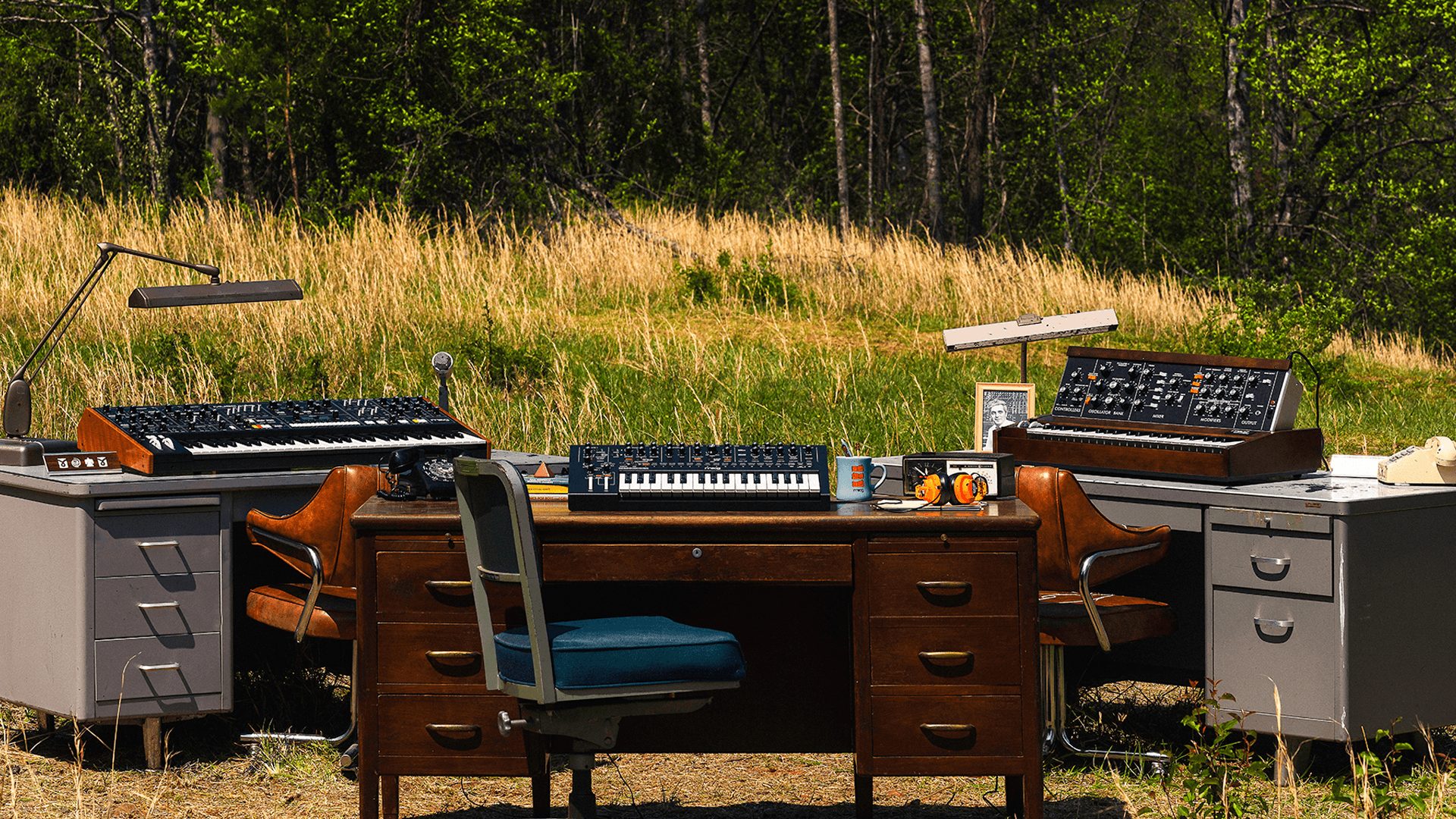
Two, possibly three, new Moog synths in the next 12 months could mean more than fresh gear on the bench. For collectors, that kind of runway can shift attention back to vintage prices, reassure owners watching spare-parts support, and signal whether Moog’s post-acquisition reset is pointing toward a steadier future or another round of surprises.
Joe Richardson’s message is blunt: Moog expects to add “instant classics” to its roster, not just fill catalog space. That matters because the company has spent the last two years under close scrutiny since inMusic acquired Moog in June 2023. At the time, Moog said it would keep making instruments in Asheville, but by September 2023 it had confirmed layoffs and said some assembly work would move to overseas partners. Then, on March 15, 2024, Moog said product design, development, and engineering would relocate to the former Asheville Citizen-Times building on O. Henry Avenue, while manufacturing expanded in Weaverville, North Carolina.

The recent releases help explain why confidence has returned. Muse arrived in 2024 as an eight-voice, analog, bi-timbral polyphonic synth built from classic Moog circuits, and Moog says it took more than five years of dreams, design, and passion to finish. Messenger followed as a monophonic analog keyboard synth with 32 semi-weighted full-size keys, velocity and aftertouch, 256 onboard presets, probabilistic sequencing, and Eurorack connectivity. Taken together, those instruments suggest Moog is still leaning on the same design language that made the brand matter in the first place: big analog tone, hands-on controls, and enough modern flexibility to reach players who missed the boutique era.
That continuity is what vintage owners will read most closely. A healthier product cycle usually helps the used market hold its nerve, especially around marquee names like the Minimoog, while also giving more hope that service parts and technical know-how stay inside the Moog family tree. The Bob Moog Foundation notes that Bob Moog and Herb Deutsch invented the Moog synthesizer in 1964, that Bob Moog’s first commercial product was the Model 201 theremin in 1953, and that the Minimoog debuted in 1970 as a compact live-performance instrument. Those are the touchstones that still define the brand’s value.
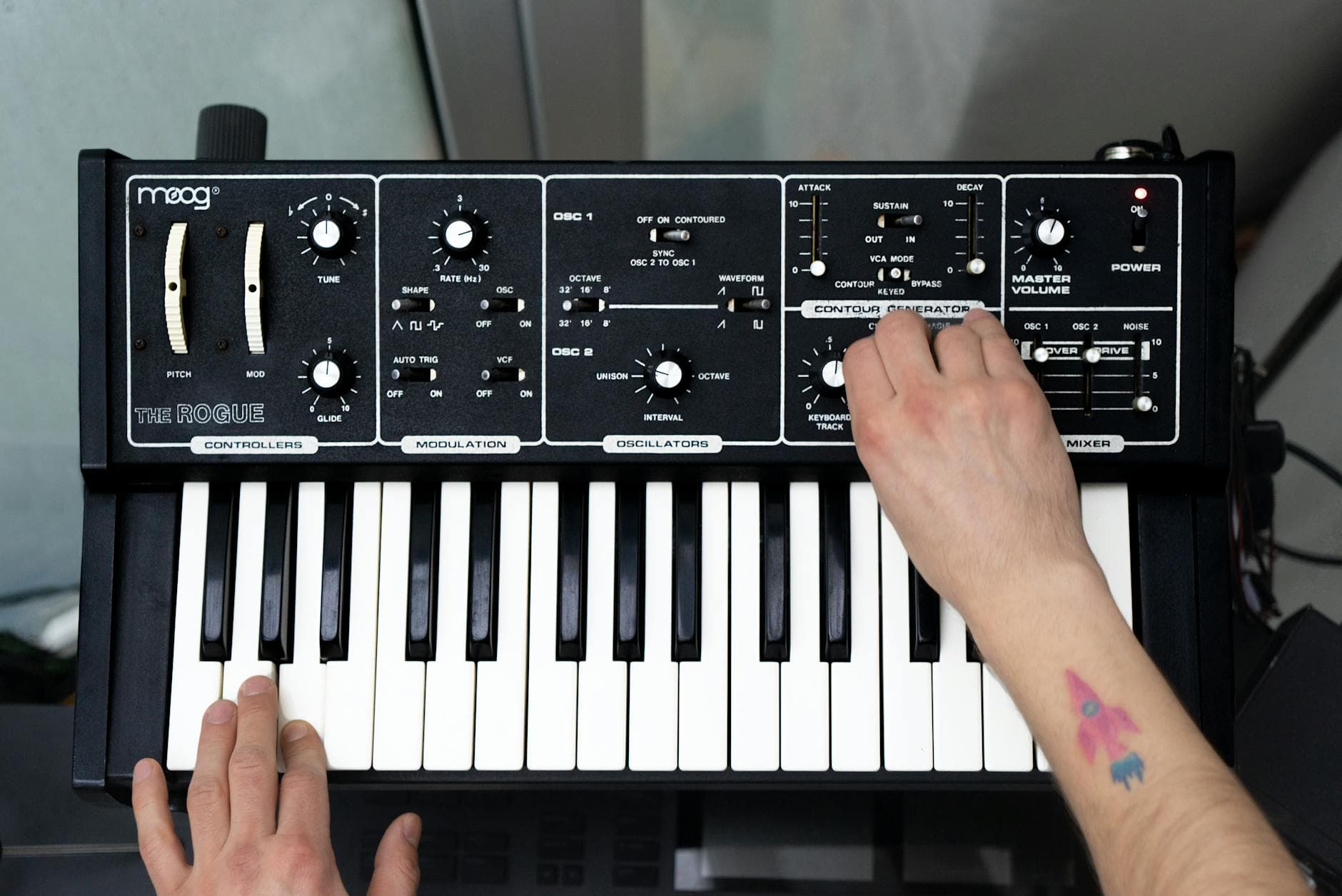
The obvious question now is which gap Moog fills next. The company already has a flagship poly in Muse and a more accessible monosynth in Messenger, so the next wave could deepen either the modular lineage, the compact performance line, or another corner of the classic Moog family. However it breaks, Richardson’s pitch suggests Moog is trying to do more than survive the transition. It is trying to make the next era feel like a direct continuation of the one that started with Bob Moog himself.
This article was produced by Prism’s automated news system from verified source data, official records, and press releases, then run through automated quality and moderation checks before publishing. The system is built and supervised by the people who set the standards it runs under. Read our full AI policy.
Did this article answer your question?