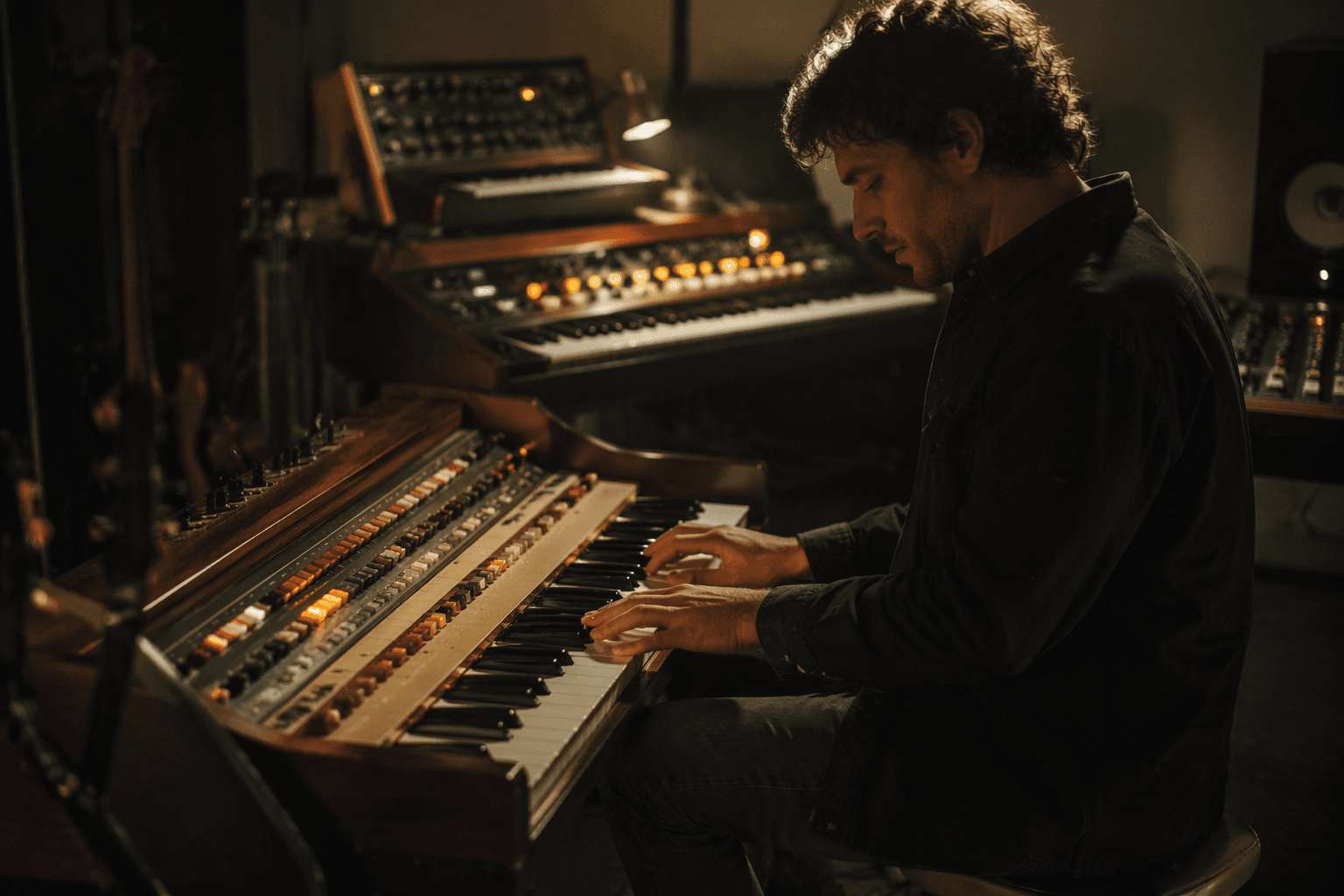
Plughugger’s J60 Heatwave revives Roland Juno-60 sounds in Omnisphere 3
Plughugger's J60 Heatwave packs 157 Omnisphere 3 patches around the Juno-60's chorus-soaked voice, then adds TX-series FM edge.

Plughugger has released J60 Heatwave for Omnisphere 3, a 157-sound bank built around the Roland Juno-60’s warm pads, basses and polished 1980s glow. It does not stop at a straight tribute bank: Plughugger also folds in a companion section inspired by Yamaha TX-series FM machines, so the set deliberately pairs analog nostalgia with digital brightness.
That split is the point. The Juno side leans on Omnisphere 3’s newly added Juno waveforms, along with soundsources from earlier versions, to chase the wide, playable voice that made the Juno family such an easy sell in the first place. The result is aimed less at forensic cloning than at getting back to the part players actually remember, the instant, usable sheen of a six-voice poly that could sit in a track without much fuss.
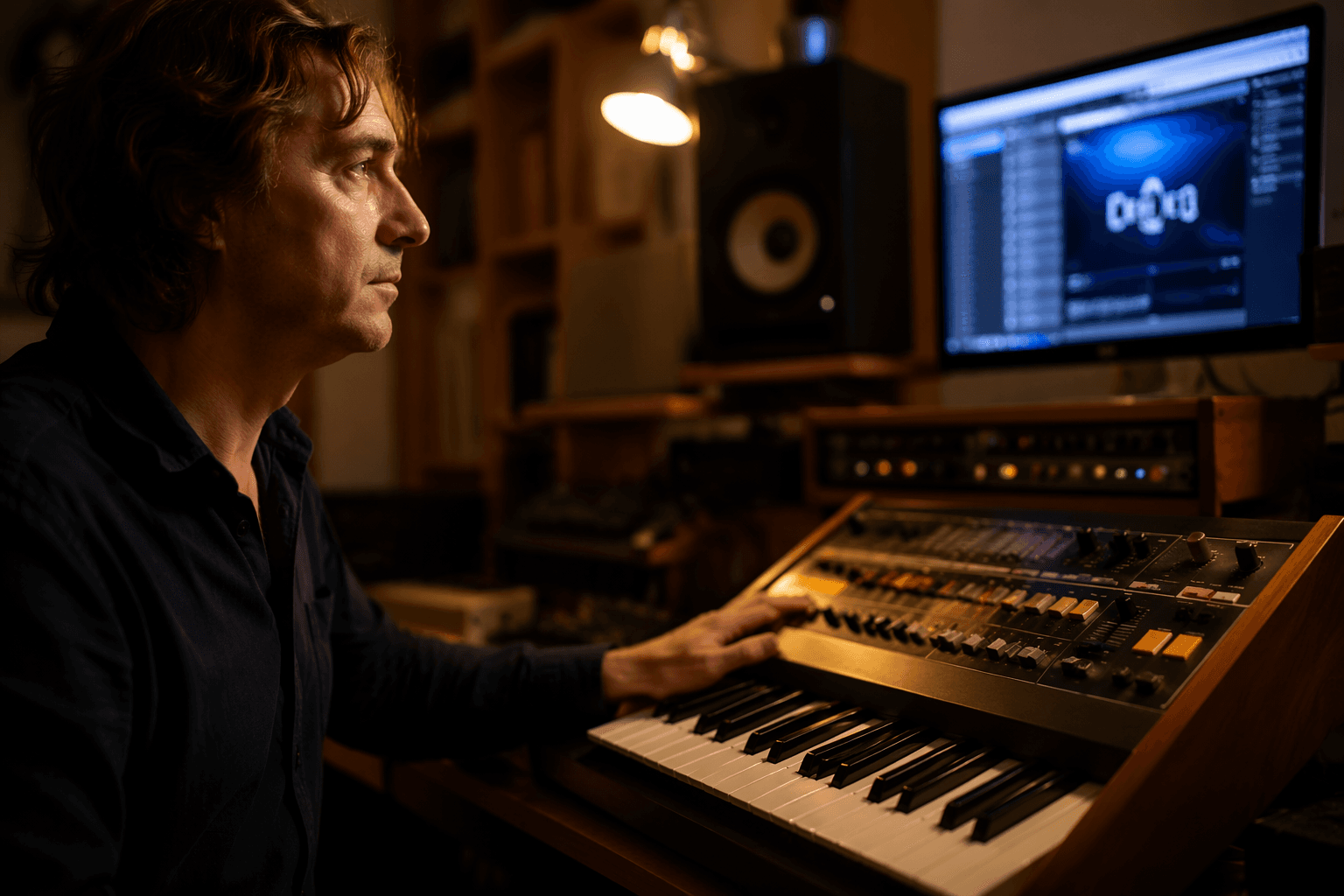
Roland manufactured the Juno-60 from 1982 to 1984, and the company still describes it as a synth that helped define the sound of the 1980s. It was positioned as a lower-cost alternative to pricier flagships like the Prophet-5 and Jupiter-8, which is exactly why the Juno name keeps coming back in software: it stands for a flavor of classic analog that feels famous, familiar and practical at the same time. Plughugger is selling that identity inside Spectrasonics’ flagship synthesizer, not as a standalone emulation, which makes the release feel like a repackaging of heritage for people already living in a modern, all-purpose workstation.
The Yamaha material gives the bank a cleaner contrast than a simple preset tribute would have offered. Yamaha’s FM research began in the early 1970s, with prototype tone-generator work underway by 1974, and that line eventually led to the DX7 era. The TX7 was essentially a desktop DX7, while the 1987 TX81Z became known for its distinctive bass patches and non-sine-wave FM timbres. In other words, J60 Heatwave is not just “Juno, but in software.” It is Juno warmth set against the glassier FM color that defined the same decade from another angle.
For working producers, that makes the bank easier to justify than a rack of vintage hardware that needs maintenance and space. For collectors and Juno loyalists, though, it is still a translation, not the machine itself: the chorus character, broad usefulness and instant musicality are there in spirit, but the tactile draw of the original panel, the voice cards and the physical imperfection of an old Roland box are not. At 9.90 euros until July 5, 2026, with coupon code JUNO60, Plughugger has priced it like a low-friction shortcut to a very specific legacy, and that is exactly how it reads.
This article was produced by Prism’s automated news system from verified source data, official records, and press releases, then run through automated quality and moderation checks before publishing. The system is built and supervised by the people who set the standards it runs under. Read our full AI policy.
Did this article answer your question?