Rare Modcan modular system appears in active use in Ben Edwards jam
Ben Edwards dragged a rare Modcan rig into a live jam, and that matters because these systems are usually seen in photos, not heard in motion.
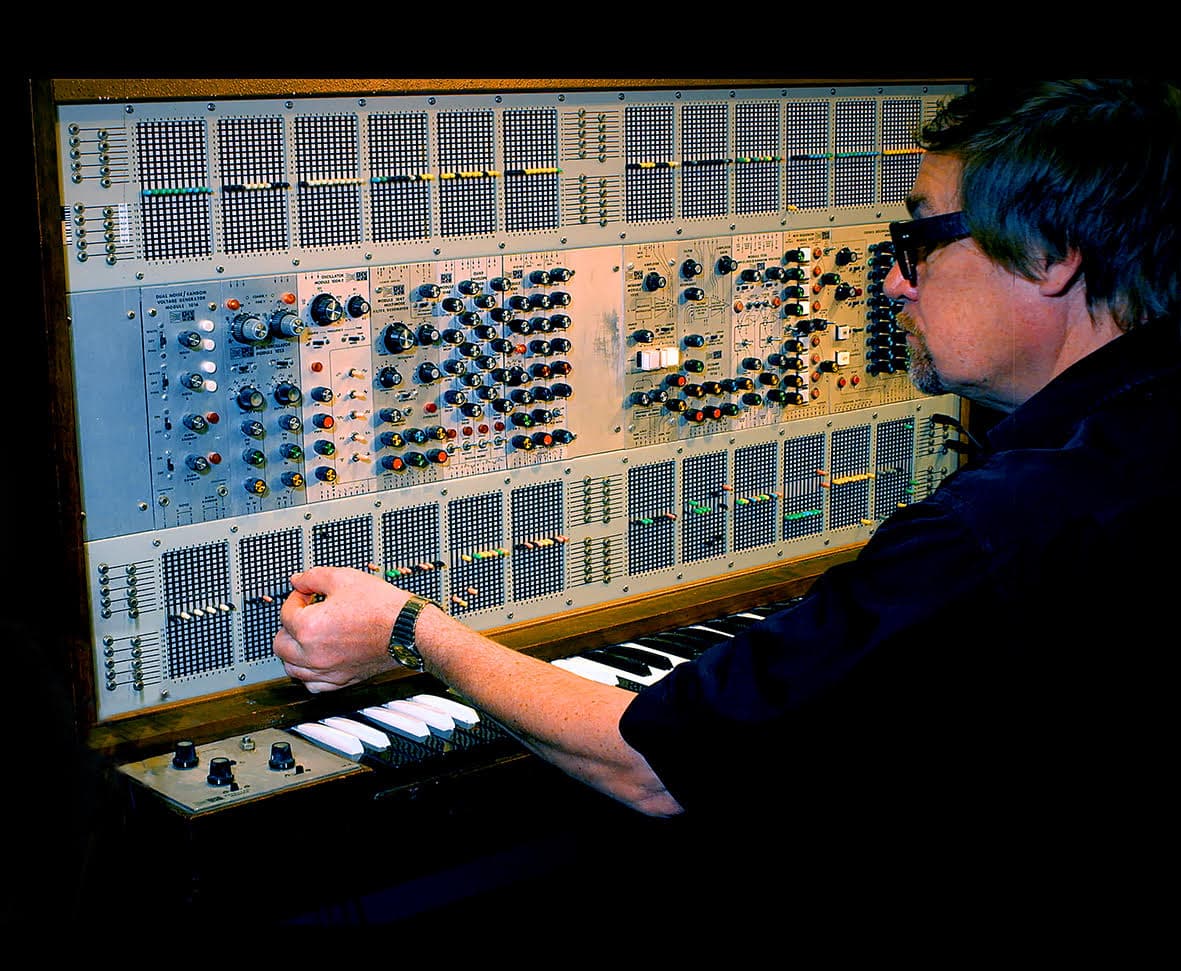
A Modcan modular rig in active use is still a rare sight, and that is exactly why Ben Edwards’ latest jam lands with vintage-synth readers. The setup puts a seldom-seen Canadian system back in the frame as a working instrument, not a museum piece, and hearing it patched alongside a Crumar DS2 and an Ensoniq DP/4 says more about Modcan’s place in synth history than any still photo ever could.
Edwards, the British synthesist better known as Benge and Memetune Studio, built the performance around a small but telling signal chain: Crumar DS2, Modcan modular, and Ensoniq DP/4. That combination matters. The Crumar brings a vintage-flavored voice at the front of the chain, the Modcan handles the modular architecture, and the DP/4, introduced in 1994, adds its four independent processors, four inputs, and four outputs to the mix. For anyone who came up around rack gear in the 1990s, that is a serious texture box, the kind of processor that can turn a good patch into something with real depth and grit.

Modcan itself has long occupied a narrow but important lane in the modular world. Bruce Duncan began building modular synth equipment as a hobby in 1994, and Modcan launched in 1997. The systems became known for their large-format panels, especially the A-series and B-series lines, and the current Modcan site still presents the company as a maker of analogue synthesizer modules. Its catalog remains substantial, with A-series and B-series families spanning oscillators, filters, envelopes, sequencers, and utilities. The B-series manual describes the instruments as hand-built to exacting standards, which is part of the appeal: these were never commodity modules.
That is why a jam like this matters beyond simple gear spotting. Modcan systems usually turn up in dedicated collections, in archival studio shots, or in the hands of owners who have spent years shaping their workflow around them. Hearing one played, rather than discussed, shows how distinct that lineage still sounds. It also fits Edwards’ wider practice. His Memetune YouTube channel keeps posting modular-focused demonstrations, including Modcan A-series patches, and an earlier interview described Memetune Studios in North London as home to one of the finest synth collections in the world.
The result is less a nostalgia exercise than a reminder that rare modulars stay relevant by being used. In a scene that often talks about legacy gear as if it has already gone quiet, Ben Edwards’ Modcan jam proves the opposite: these systems still have a voice, and it is worth hearing in motion.
This article was produced by Prism’s automated news system from verified source data, official records, and press releases, then run through automated quality and moderation checks before publishing. The system is built and supervised by the people who set the standards it runs under. Read our full AI policy.
Did this article answer your question?