Resurfaced BBC clip shows Bob Moog explaining analog synthesis basics
Bob Moog's own BBC-era synthesis lesson still cuts through the noise, and it lands where vintage-synth buyers care most: original feel, playable sound, and the chase for Minimoog-era tone.
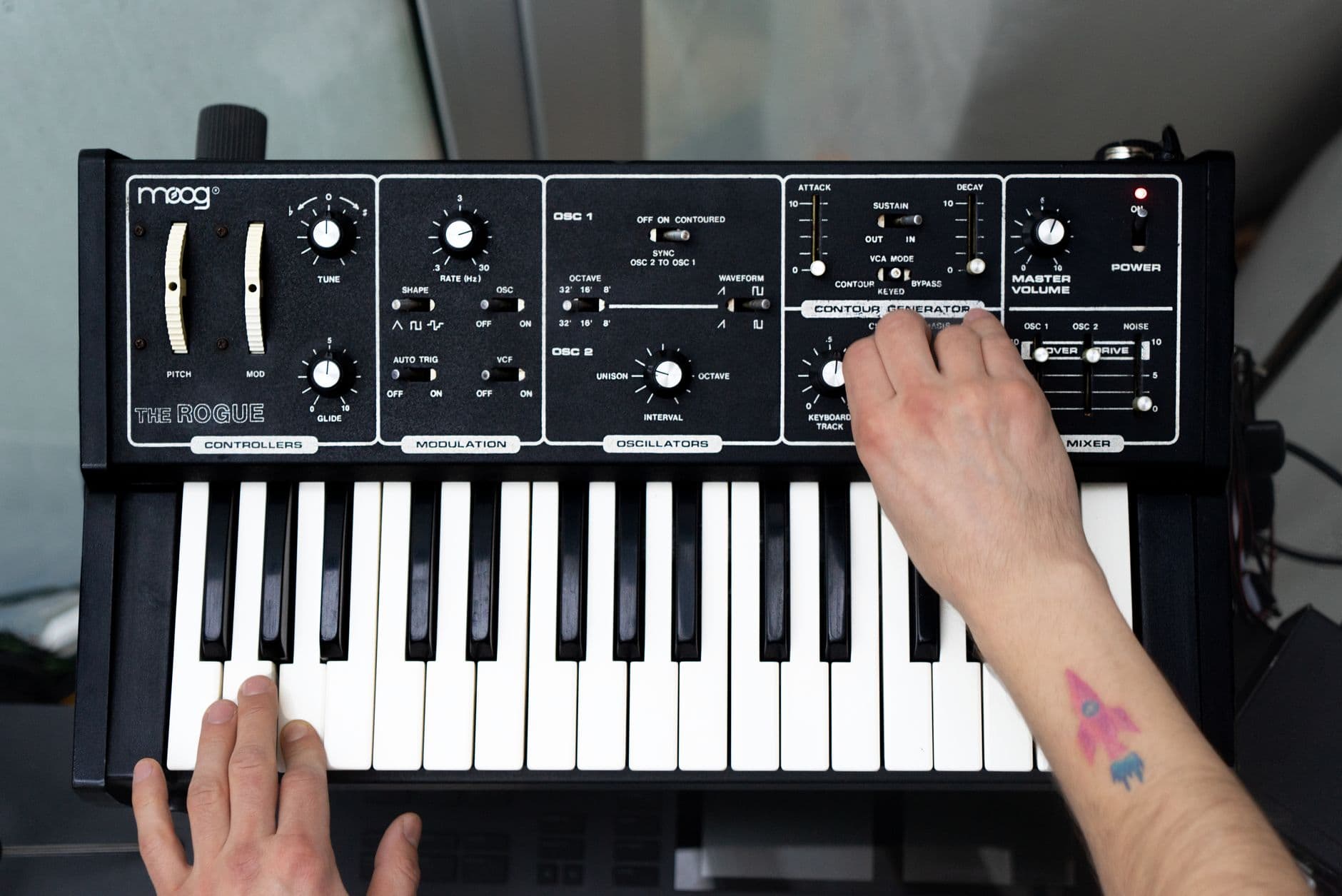
Bob Moog explaining analog synthesis in his own words is the kind of clip that still earns a hard stop. The resurfaced BBC footage is more than a nostalgia loop: it shows why the 1964 Moog synthesizer, and the 1970 Minimoog that made the sound practical for players, changed what keyboard instruments could do. If you are chasing an original, a reissue, or a clone, this is the source material that still tells you what matters.
Why the clip still cuts through
A lot of modern synth demos show you the panel and the presets, but they do not always explain the idea. Moog does, and that is the whole point. His plain-language breakdown matters because the Moog synthesizer helped establish the modern concept of analog synthesis, and that idea spread far beyond a single brand or era.
The historical context is huge. Wendy Carlos’s 1968 album Switched-On Bach brought the Moog into the mainstream, the instrument became tied to the Apollo 11 moonwalk in popular culture, and then rock, pop, prog, funk, soul, jazz, and electronic acts all pulled from the same language. The clip lands now because it shows the theory before the mythology took over.
What Moog is really teaching
Moog’s value in a clip like this is not that he is selling you a machine. It is that he is making the signal path feel obvious. That is useful whether you are staring at a modular wall, a Minimoog Model D, or one of the current tribute or clone-style builds that try to capture the same response.
Here are the big ideas vintage-synth readers are still chasing:

- A sound starts with a source. The Moog synth, invented in 1964, made the idea of generated tone feel like an instrument, not an electrical trick. That is the first thing many modern demos skip, and it is the first thing Moog makes clear.
- Playability changes everything. When the Minimoog arrived in 1970, it turned the Moog sound into something a player could actually take onstage and live with. That portability is exactly why original Minimoogs, reissues, and modern stand-ins still get judged on feel as much as sound.
- Modular thinking still defines the obsession. The broader Moog modular systems became foundational tools for generations, which is why vintage fans keep coming back to patches, routing, and hands-on control. If you are trying to understand why a clone matters, this is the mindset behind the chase.
Hearing Moog define those basics himself matters right now because the current market is full of instruments that promise the tone without always explaining the architecture. The clip reminds you that the classic Moog appeal was never just a logo or a preset bank. It was a system that made synthesis understandable, then playable.
Why the archive angle matters
This resurfaced clip is also part of a much bigger preservation story. The Bob Moog Foundation says its archives include more than 5,000 photos, over 3,000 schematics, 88 rare reel-to-reel tapes from the late 1960s and 1970s, and nearly 10,000 cataloged items, along with vintage instruments, correspondence, writings, and recordings. That is the kind of archive that turns a stray old clip into something much more valuable than a repost.
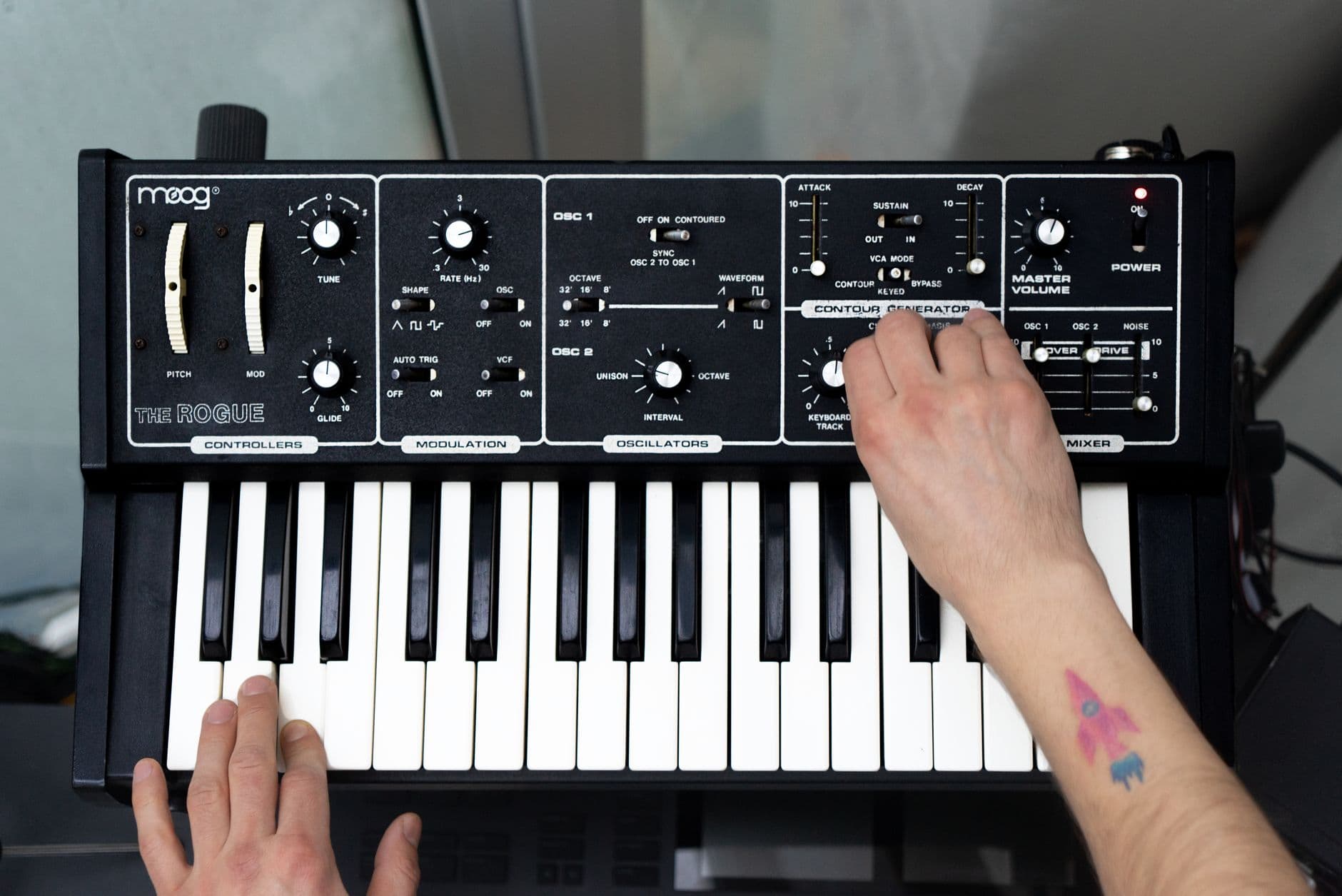
For synth people, those numbers explain why the footage matters. You are not just hearing a famous name explain a famous instrument. You are hearing one of the core voices of analog synthesis at a moment when the design language was still being formed in public. That is the difference between trivia and reference material.
Moog is still packaging the legacy for today
Moog Music has also leaned into the moment with fresh material. In a 2026 video, the company says it is sharing “a little piece of history” in Bob Moog’s own words and ties that clip to the Bob Moog Tribute Edition Minimoog Model D. Moog Music says a portion of each unit sold is donated to the Bob Moog Foundation, which gives the modern product a preservation angle instead of just a collector badge.
That fits the company’s longer arc too. Moog Music produced major synthesizer models from 1965 to 1981, then again from 2014 onward, and it still describes its instruments as groundbreaking while highlighting the tribute Minimoog Model D and other analog synths in its current lineup. For buyers comparing originals, reissues, and modern clones, that continuity is the real story: the legacy is still being built, not just displayed.
Bob Moog’s BBC explanation still works because it strips the sound back to its bones. Before the hype, before the tribute editions, before the archive counts, you get the thing itself: a simple, readable lesson in why analog synthesis changed music and why vintage synth players are still chasing that first, practical, playable idea.
This article was produced by Prism’s automated news system from verified source data, official records, and press releases, then run through automated quality and moderation checks before publishing. The system is built and supervised by the people who set the standards it runs under. Read our full AI policy.
Did this article answer your question?