Rob Brian mimics LinnDrum snare feel with acoustic control
Rob Brian shows how to make a real snare behave like a LinnDrum: no samples, no triggers, just tight stick control and a deliberately flattened dynamic range.
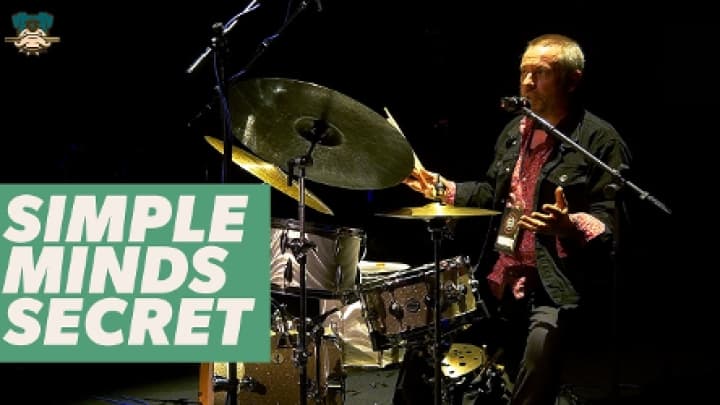
The LinnDrum feel is less about volume than discipline. At Dorset Drum Festival 2026, Rob Brian showed how to fake that classic boxy snap on an actual snare drum with no samples and no triggers, just stick control and a playing approach so controlled it starts to feel programmed.
Why the LinnDrum still gets called
That sound still carries weight because the LinnDrum was never just another drum machine. Roger Linn released it in 1982 as the cheaper, more widely produced successor to the LM-1, the first programmable sampled-sound drum machine, which arrived in 1979. Roger Linn’s own museum notes put the LinnDrum’s original price at about $3,000 and the production run at about 5,000 units, with sales far outpacing the LM-1 and Linn 9000 combined.
That matters for anyone chasing vintage drum-machine character today. The LinnDrum is one of those machines whose sound reads instantly, even when you are not looking at the front panel. It says control, precision, and a certain polished flatness that still works in rock, pop, and soundtrack contexts because it leaves no room for sloppy hands or wandering dynamics.
Rob Brian’s trick: play it like a sequencer
Brian’s point is simple: if you want a LinnDrum-style snare, stop thinking like a drummer trying to animate every bar and start thinking like a sequencer that only knows a few exact velocities. His method at Dorset Drum Festival 2026 leaned on reduced dynamics, so the snare behaves less like a living, breathing backbeat and more like a deliberately programmed part.
The article’s most useful detail is the three stick-height levels. That is where the illusion starts, because the hand stops making the sort of natural, uneven arc that gives acoustic drumming its movement. Instead, Brian narrows the performance into a small set of controlled heights, which keeps the attack consistent and strips out the little surges that usually give away a human player.
A practical way to think about it is this:
1. Keep the main hits at one repeatable height so the snare speaks with the same attack every time.
2. Use a second, lower height for lighter notes and connective touches.
3. Reserve the highest height only for the accents that need to stand out.
That small range is the whole trick. The closer you keep those levels together, the more the snare starts to behave like a drum machine step rather than a live drum part.

How to make the snare work against its own acoustics
Brian’s approach is not about making the drum sound dead. It is about making it obedient. The reduced dynamic range does most of the work, but the acoustic setup matters too, because a snare with too much bloom will instantly betray the illusion.
The piece also points to a cheap damping workaround that avoids buying a Big Fat Snare-style accessory. Offcuts from old heads can be used to tame the ring without turning the drum into a pillow, which is exactly the sort of workshop fix that makes sense if you want the character of a machine but still want the feel of sticks on real heads. That kind of damping keeps the snare focused and short, which helps the attack land with that familiar Linn-style punch.
The same discipline can reshape hi-hat feel as well. Once you start removing loose dynamic swings from the right hand, the whole groove tightens up, and the hats stop sounding like a conversation and start sounding like a grid with intent.
Why the Simple Minds connection is not a side note
Brian’s demonstration was linked directly to a Simple Minds session, where he used the same trick for Charlie Burchill and Jim Kerr. That connection gives the idea a real-world test case instead of leaving it as a studio parlor trick. It also shows why machine-like rhythm keeps showing up in live-band settings: not because the band wants to sound synthetic, but because the synthetic feel can be musical when it is applied with taste.
The Simple Minds release history around Broken Glass Park gives the example some useful context. The band’s Celebrate - The Greatest Hits+ came out on 28 March 2013, and Broken Glass Park was one of two brand-new recordings on the set. Simple Minds also gave the track an earlier world-exclusive first play on 7 February 2013, which is a good reminder that these machine-leaning textures were being framed as fresh material, not museum pieces.
That is the real value of Brian’s lesson. The LinnDrum is still a reference point because it taught musicians to admire restraint, and Brian shows how to borrow that restraint without owning a collector-priced box from 1982. If you can make a real snare hit with sequencer discipline, the old machine sound stops being a nostalgia exercise and starts being a practical performance choice.
This article was produced by Prism’s automated news system from verified source data, official records, and press releases, then run through automated quality and moderation checks before publishing. The system is built and supervised by the people who set the standards it runs under. Read our full AI policy.
Did this article answer your question?