This Is Not Rocket Science unveils BigFish, a standalone polyphonic synth
BigFish pushes TiNRS from modular boxes into a self-contained polyphonic synth. The keybed, editor and DSP-first architecture all point to a Nord Modular-style reboot.
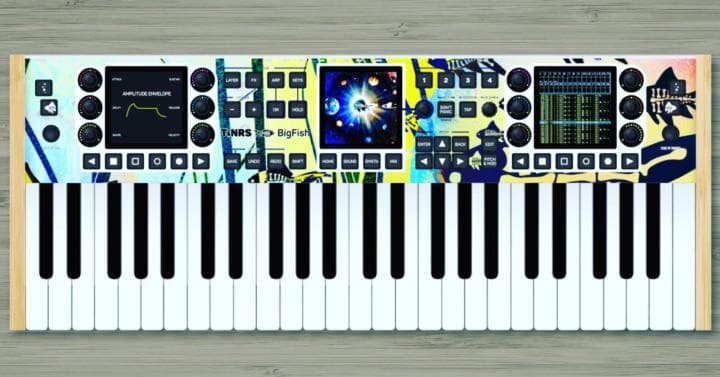
This Is Not Rocket Science moved from Eurorack specialist to full instrument contender with BigFish, a standalone polyphonic synth that looks built to do in one chassis what modular players usually assemble one module at a time. For a Dutch maker known for Bopp, Steve, Geometric Anomaly, Wobbler, NextTuesday and Bopp & Steve, that is a major shift in ambition, not just another teaser.
The clearest reference point is the Nord Modular, but TiNRS is trying to turn that idea into a self-contained keyboard instrument with its own editor on board. The company frames BigFish around four levels of making: making music, making sound, making synth and making DSP. That points to a machine aimed at players who want to reshape patches inside the instrument itself, not keep a laptop open beside the rig. TiNRS’s own description, and the way Gearnews framed it, makes the intent plain: modular thinking, polyphonic depth and digital sound design, all packed into one performance instrument.
The keyboard side matters just as much. TiNRS is building the Bink keybed with Binkhorst Creations in its new Unit 11 factory and office space, and it is treating the mechanism as part of the instrument identity rather than an off-the-shelf afterthought. Sonicstate describes the design as offering polyphonic aftertouch, analog distance sensing per key, adjustable tension and full-travel sensors. TiNRS also plans to make the keybed available to other synth builders, which turns BigFish into a platform play as much as a product.

The project has been about 20 years in the making, starting with Stijn Haring-Kuipers’s Jeskola-Buzz plug-ins GoldFish, PlatinumFish and SpaceFish, then drawing on the Blok system of modular software synths he built and used to teach audio design at a university for many years. That lineage helps explain why BigFish feels less like a sudden pivot than the latest expression of a design language TiNRS has been refining across hardware and software.
TiNRS’s Fenix IV history shows how seriously it treats long-haul builds. The company says Fenix IV was the fourth edition in the Fenix family, sold its last of 100 units in April 2022, first outed plans in June 2018, and saw 80 people on the waiting list within a month of the Superbooth 19 prototype. The team even hand-soldered 4,500 components in two weeks to get that prototype ready. TiNRS will also be in Berlin for Superbooth in May with a big announcement and its current modules, while BigFish stays on a long runway toward a gentle release target of May 2027.
Know something we missed? Have a correction or additional information?
Submit a Tip