10 ways Orks got better in 11th Edition
Orks are getting more than a rules refresh in 11th Edition. A new Waaagh!, 15 detachments, and fresh vehicle support are already changing how the horde builds and plays.
Orks are not just surviving 11th Edition, they are getting tools that reward the faction’s classic game plan of speed, pressure, and board control. Ben Jurek’s look at ten Ork improvements lands at the right moment, because Games Workshop has already put the faction at the front of the edition rollout with a new codex, revised rules support, and fresh kits.
They are first out of the gate
Warhammer Community confirmed that Codex: Orks is the first codex of the new edition, which immediately raises the stakes for every build decision around the army. When a faction leads a new edition, its rules do more than update datasheets, they help define how players think the edition is supposed to work.
That early position matters for Orks because the army’s identity has always been about forcing the other side to react. Being first means Ork players get the earliest full answer to the question of whether 11th Edition rewards pressure armies, and that makes every improvement easier to feel on the table.
The Waaagh! gets a new shape
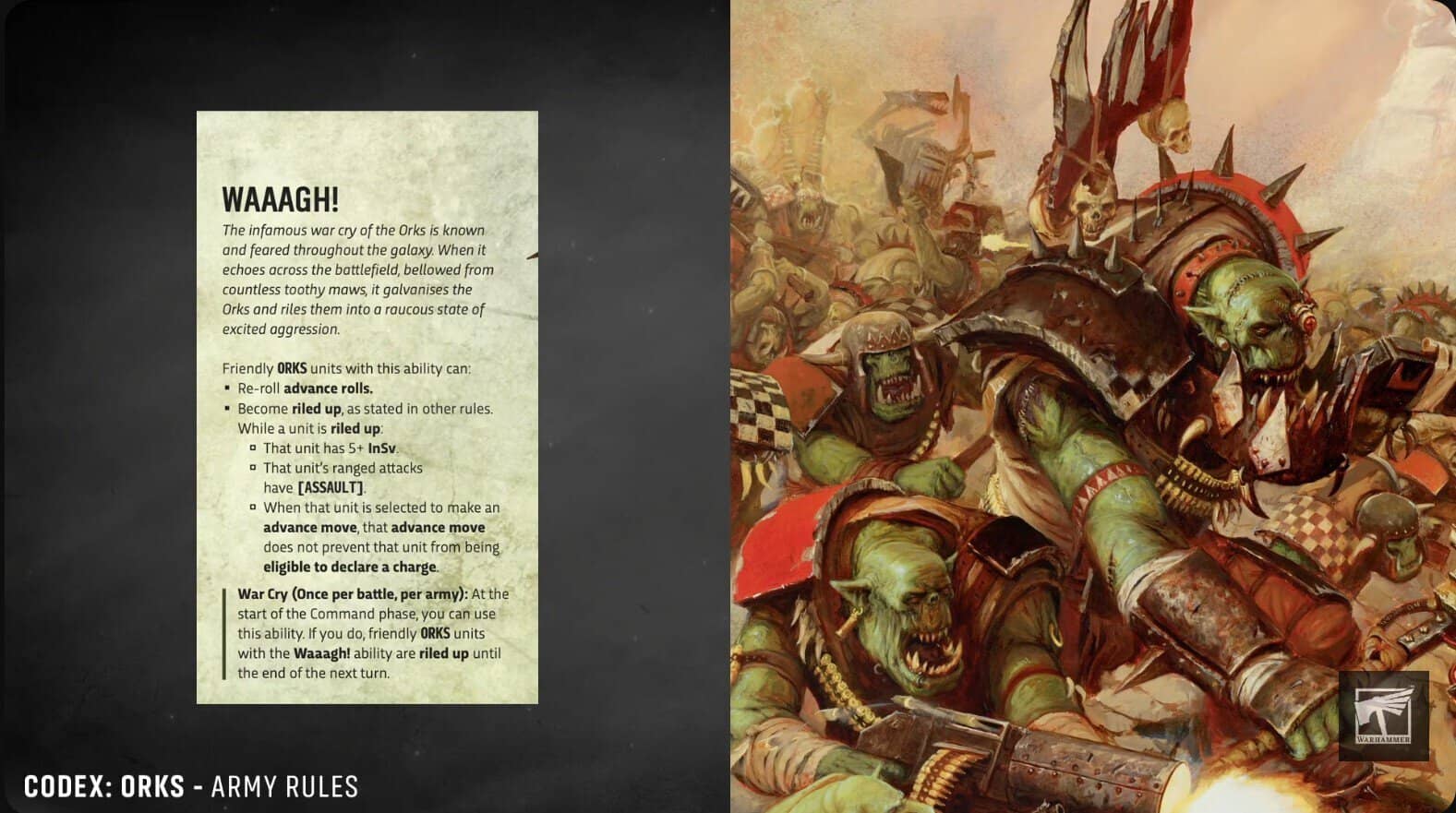
The classic Waaagh! is still the heart of the army, but the new codex brings a fresh take on that army rule. That is a big deal for Orks because Waaagh! is not just a damage spike, it is the moment when the whole list is supposed to swing from threatening to overwhelming.
A better Waaagh! changes how you stage your units, how aggressively you commit transport cargo, and when you ask your opponent to start taking trades. If the army rule lines up more cleanly with the rest of the list, Orks stop feeling like they are waiting for a single turn and start feeling like they are applying pressure from deployment onward.
Fifteen detachments widen the menu
Codex: Orks is also coming with no fewer than 15 detachments, which is exactly the kind of breadth that can turn a faction from one-dimensional to adaptable. That many detachments gives the army room to support very different battlefield plans, from massed bodies to speed-based aggression to more vehicle-centered builds.
For list builders, that means the faction is no longer locked into a single “right” way to play. If a detachment rewards mobility, it pushes Trukks and fast threats. If another leans into bodies or brute force, it makes Boy-heavy and melee-crunch lists much easier to justify.
The collecting section points to four archetypes
The codex also includes a collecting section that organizes Ork armies into four distinct archetypes, and that is useful for more than new players. It gives structure to the faction at the exact point where many players are deciding whether to expand an existing force or pivot into a different style of list.
That kind of guidance has real hobby impact. If the codex is telling you how Orks can be built, it is also telling you which units deserve attention next, whether that means a pressure-heavy rush list, a mechanized core, or a more classic horde approach.
The faction pack has already been tuned
Before the codex preview even landed, the Orks faction pack had been updated on June 9 and was described as incorporating feedback from the Warhammer community, playtesters, and the studio design team. That matters because it means Orks are not being treated as a static download sheet while the edition settles.
An updated faction pack gives players a cleaner baseline for testing lists and comparing unit value. In practical terms, it makes the army easier to trust while the early 11th Edition environment is still taking shape.
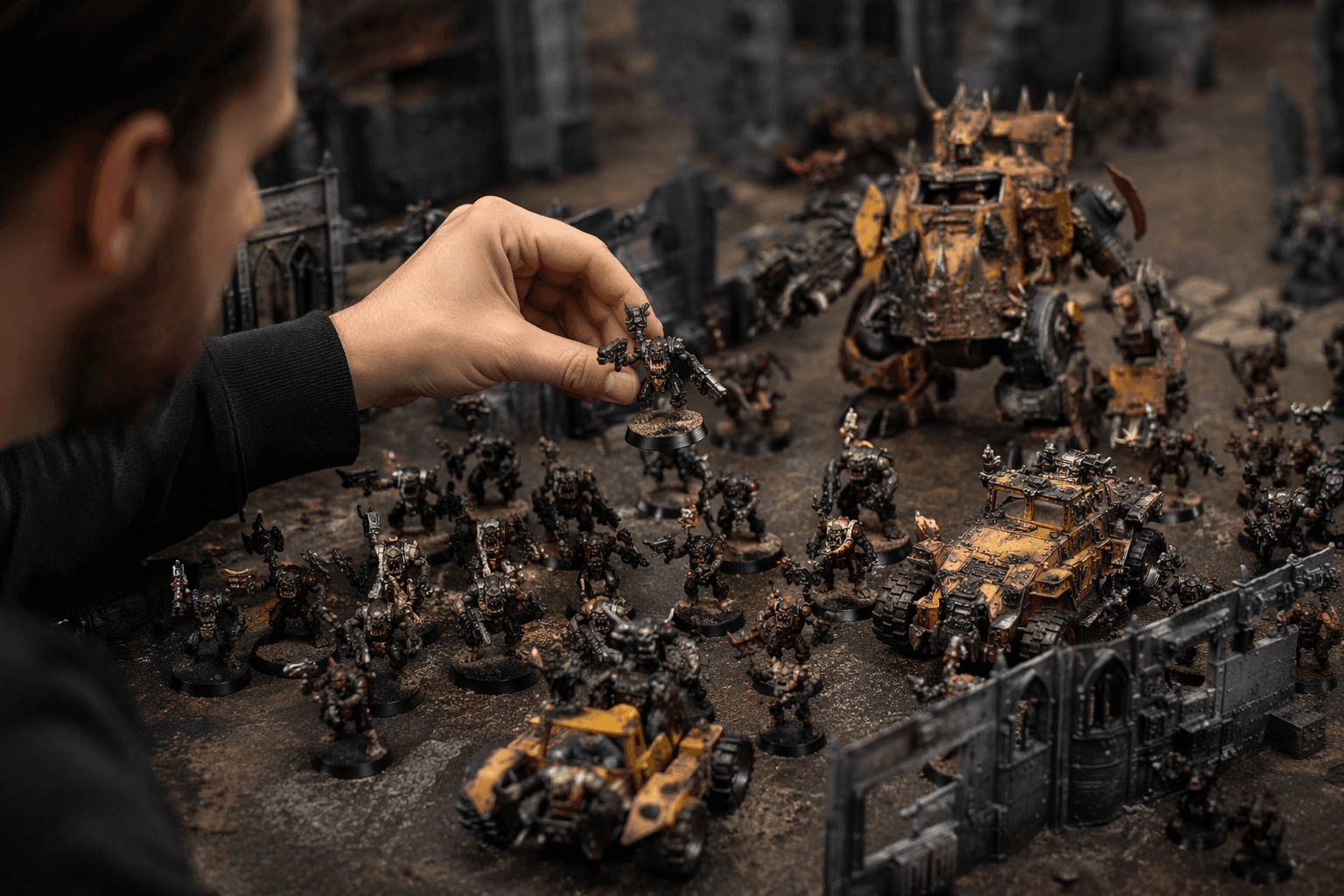
The new Trukk gives the rush plan more options
The new Trukk kit is another real boost, especially for players who build around tempo and delivery. It comes with customizable options such as a grabbin’ klaw, buzzsaw, rokkit launchas, spiked ram, and dozer blade, which gives the transport more personality and more table presence.
That matters because Ork mobility is rarely just about moving fast, it is about getting the right threat to the right place at the right time. A more flexible Trukk supports the kind of list where every embarked unit has a job, whether that job is cracking infantry, bullying a flank, or forcing a screen to fold.
The new Mek makes vehicle lists harder to ignore
The new Mek is one of the clearest signals that Ork vehicle play is getting more support. The model can repair nearby vehicles and give them +1 to hit rolls, which pushes the army toward sturdier, more coherent armored cores.
That is a serious upgrade for lists that want to mix speed with durability. A Mek backing up Trukks, Battlewagons, or other vehicle-heavy choices gives Orks a better mid-board anchor and makes the faction less dependent on every unit surviving purely through aggression.
The model range is being refreshed alongside the rules
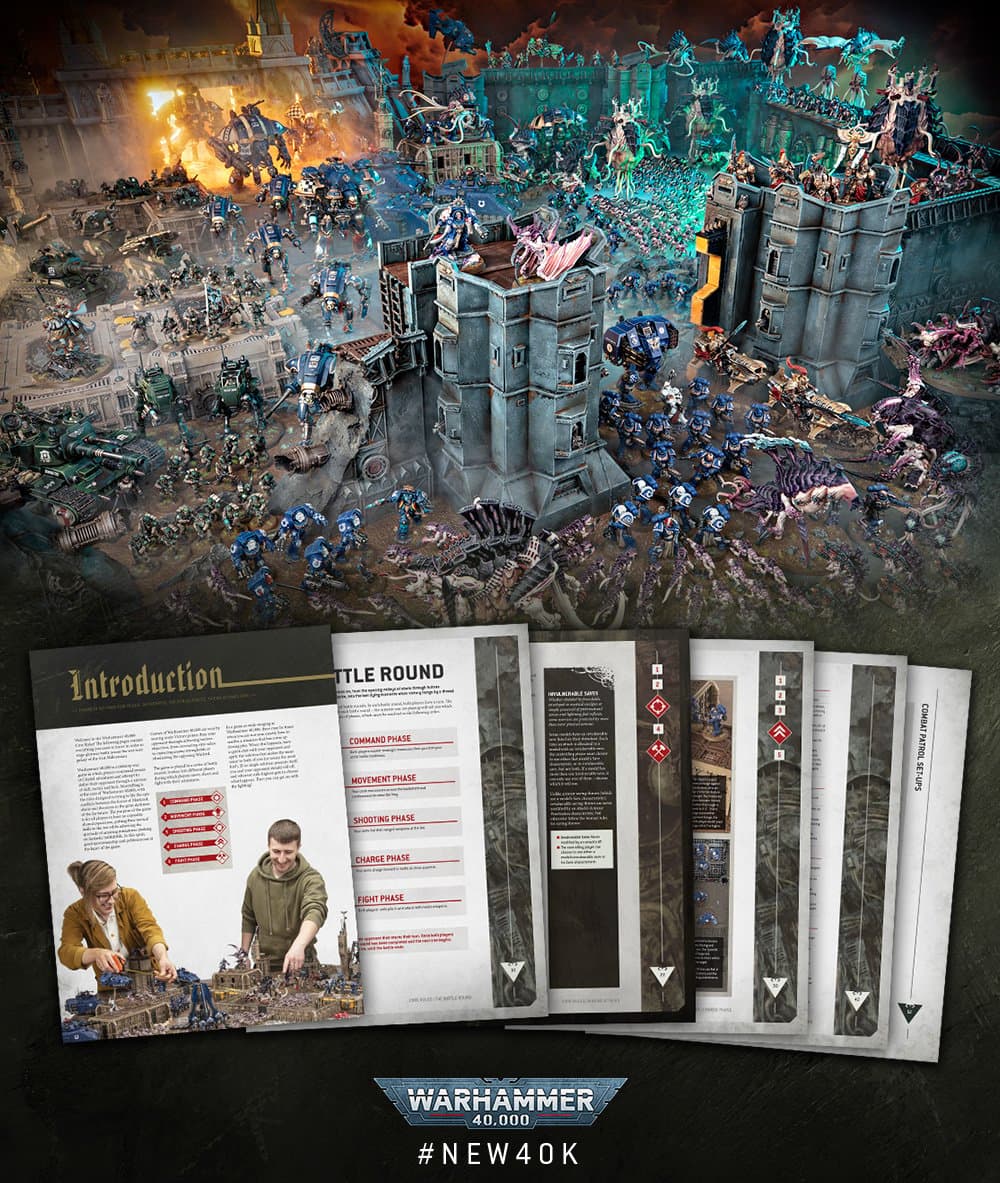
Games Workshop is not only changing how Orks play, it is adding new miniatures alongside the first codex of 11th Edition. That combination matters because rules support and model support reinforce each other, especially for a faction where the look of the army is part of the appeal.
Fresh kits make it easier to build an army that matches the new rules direction, and they give returning players a reason to revisit old projects. When the codex, the detachment structure, and the miniature range all move together, the faction feels like it has momentum instead of just a new document.
The transition into 11th Edition has been smoother for Orks
Games Workshop released the 11th Edition core rules on June 1 and said the edition was “mere days away,” then noted that the Ork and Space Marines datacards from the Armageddon box would follow later that week. That kind of rollout matters because it gives Ork players immediate rules to build around instead of making them wait for the codex alone.
A smoother transition means faster list testing, easier rules access, and fewer dead weeks where the faction exists only as a promise. For a community that wants to know what still works, the timing itself is part of the upgrade.
The real gain is confidence in the build
Put together, these changes make Orks look less like a faction hoping to keep up and more like one with multiple routes into early 11th Edition success. The best beneficiaries are likely to be pressure lists, Trukk-based rush builds, and vehicle-backed armies that can use the Mek and the new Waaagh! to keep opponents under strain.
That is the answer buried inside the ten improvements: Orks are not just getting better tools, they are getting more believable ways to win with the army they already want to play. In an edition where board control and momentum decide a lot of games, that is exactly the sort of upgrade that can change expectations fast.
This article was produced by Prism’s automated news system from verified source data, official records, and press releases, then run through automated quality and moderation checks before publishing. The system is built and supervised by the people who set the standards it runs under. Read our full AI policy.
Did this article answer your question?