Death Guard gain Contagion Engines, new rules for plague walkers
Death Guard’s new Contagion Engines detachment turns walkers into plague platforms, hinting at a more varied army identity built around pressure and resilience.
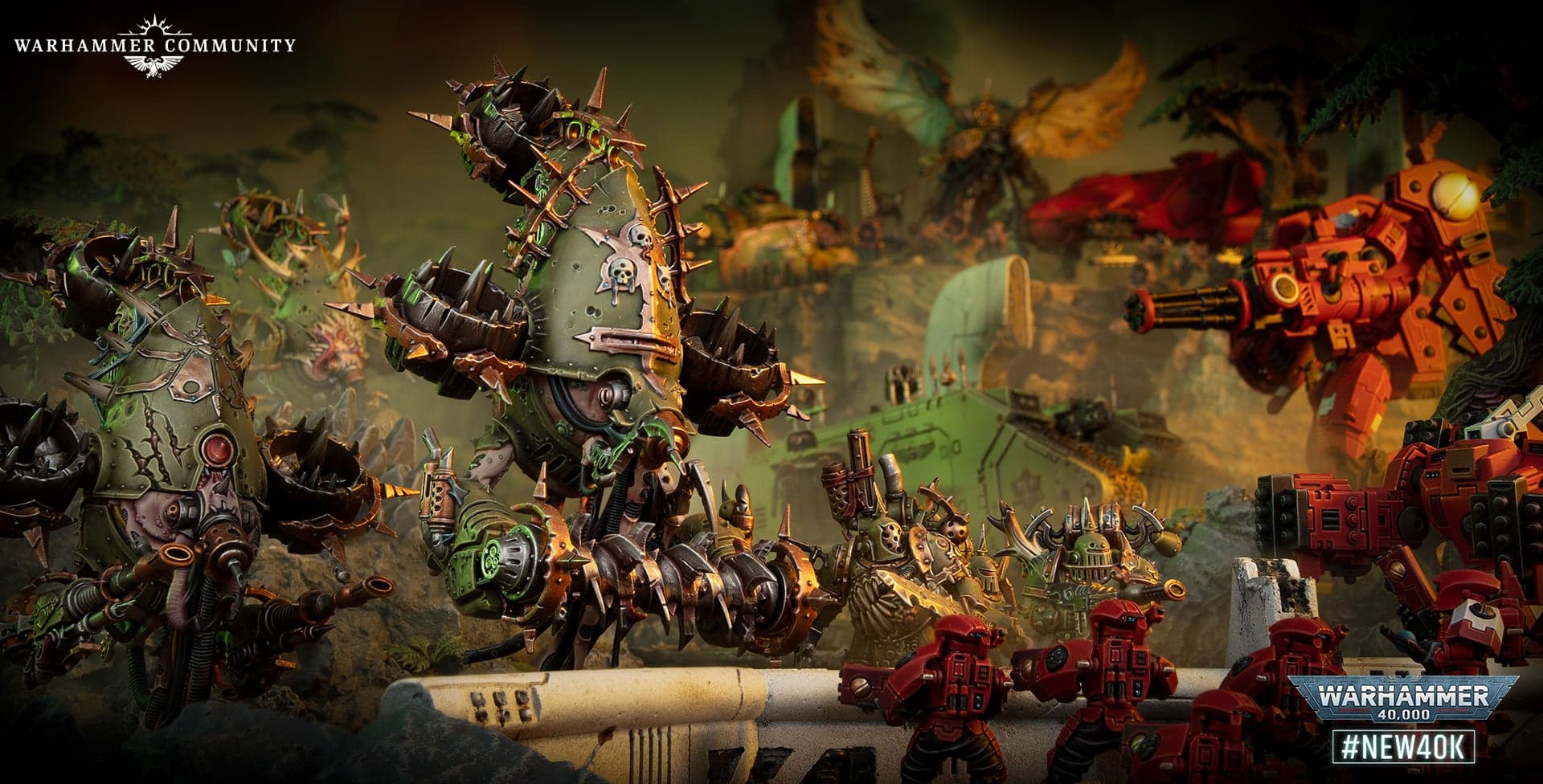
Games Workshop’s latest Death Guard Faction Focus pushed the army toward a bigger question than any single datasheet: is the new edition making each faction feel more like its own ecosystem, or just handing out a different set of limits? The answer, at least from this preview, looks like a bit of both, with the Death Guard getting three new detachments and the strongest spotlight landing on Contagion Engines.
That detachment puts the army’s daemon-corrupted vehicles and walkers front and center. Foetid Bloat-drones, Helbrutes, and Myphitic Blight-haulers all gained the CONTAGION ENGINE rule, a clear signal that the studio wants these units to do more than lumber up the table as tough speed bumps. The pitch is faster pressure with Nurgle’s usual attritional bite intact, letting plague-soaked weapons reach the enemy with more purpose while still forcing the opponent to work through layers of resilience.
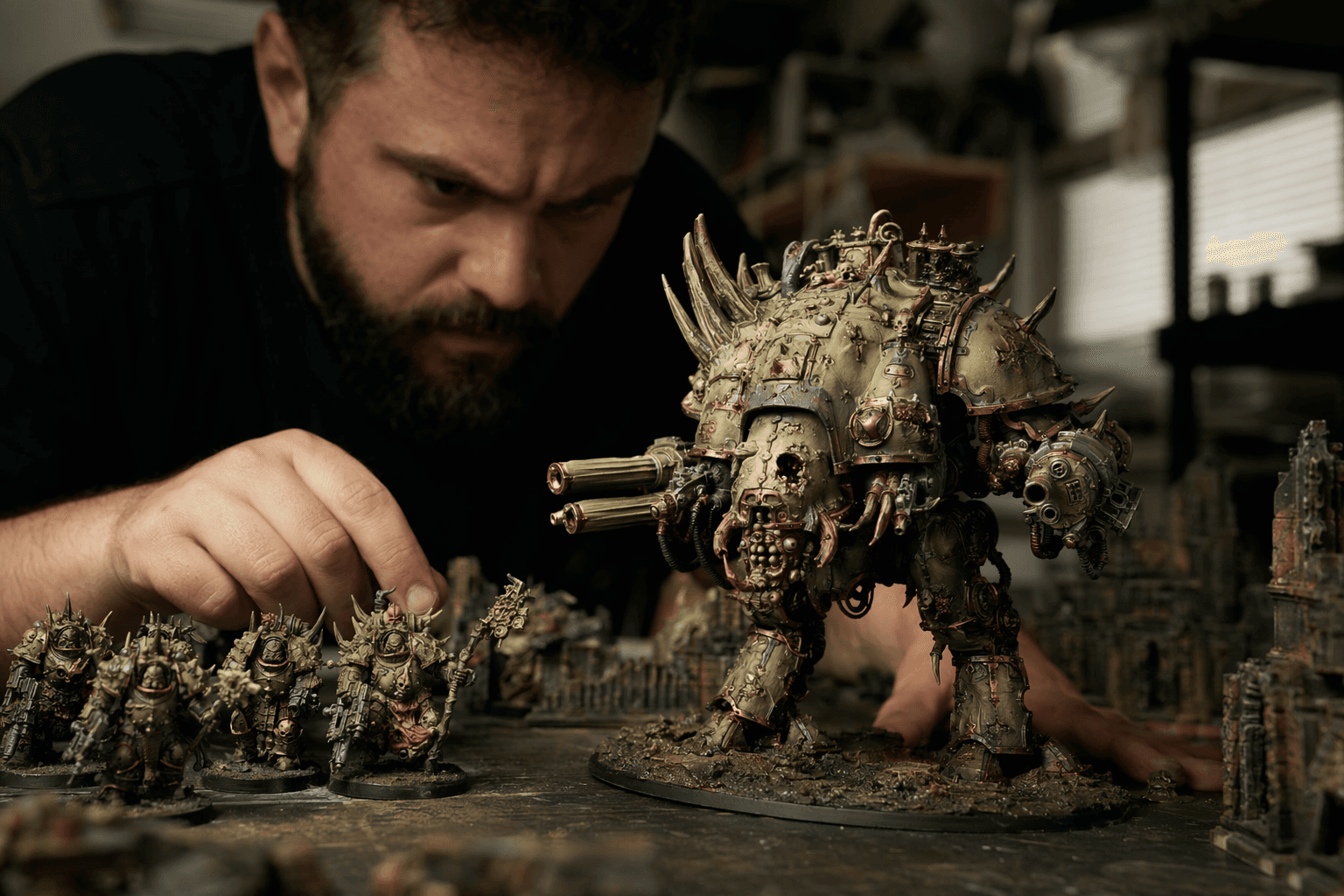
The clearest sign of that design shift is Parasitic Woe-reaper, an enhancement that lets a Contagion Engine unit heal after it fights. That matters because it reinforces the Death Guard’s most recognisable hobby fantasy, the machine that keeps coming, not the one that strikes once and dies. Instead of asking players to choose between durability and mobility, the rule points toward a play pattern where the army advances, trades, and recovers in the same cycle.
Bloodrust Deluge adds another layer by pushing contagion into the shooting phase. One visible enemy unit can be made Afflicted, which lowers Toughness and can also worsen saves if the right plague is chosen. That turns the Death Guard from a blunt advance force into a more deliberate board-control army, one that wants to mark a target, soften it, and then exploit the opening. Even the small rules note about Helbrutes wounding Afflicted enemies more easily feeds that same combined-arms plan.
The bigger context matters here. Warhammer Community has long framed the Death Guard as Nurgle’s most favoured Traitor Legion, “living plague vectors gifted with grotesque resilience,” and earlier coverage defined their identity around slow advance, durability, and Contagions of Nurgle. But the new Faction Focus suggests Games Workshop is widening that identity rather than replacing it. Alongside Contagion Engines, the other named detachments, Flyblown Host and Paragons of Putrescence, point to real internal variety instead of one universal plague list.
That is the real takeaway for collectors. The Death Guard still read as a faction built to outlast and debilitate, but now they also look like a force with meaningful sub-builds, especially for players who want walkers and daemon engines to carry the load. With current codexes staying valid when the new edition drops and 70 new detachments coming in total, this is less about one quirky rules package than a broader reset in how armies are meant to feel on the table. For the Death Guard, that reset makes the army look less like a single slow trudge and more like a spreading infection with different strains.
This article was produced by Prism’s automated news system from verified source data, official records, and press releases, then run through automated quality and moderation checks before publishing. The system is built and supervised by the people who set the standards it runs under. Read our full AI policy.
Did this article answer your question?