Goonhammer postmortem says 10th edition was 40k’s biggest success
10th edition was a huge win for 40k, but Goonhammer’s Marine autopsy shows 11th will be judged on whether it keeps the cleanups without flattening the factions.
The reset that worked, and the one that still has to prove itself
Goonhammer’s take on 10th edition lands less like nostalgia and more like a warning label for 11th. The reset is real, but it is not a purge: 10th did what Games Workshop promised, stripped away a lot of the bloat, grew the player base, and gave the game the cleanest on-ramp it has had in years. The catch is that the same edition that made 40k easier to enter also left behind a trail of balance swings, faction pressures, and design tradeoffs that matter a lot more now that fans are frame-scrubbing every pixel of the next rollout.
What 10th actually got right
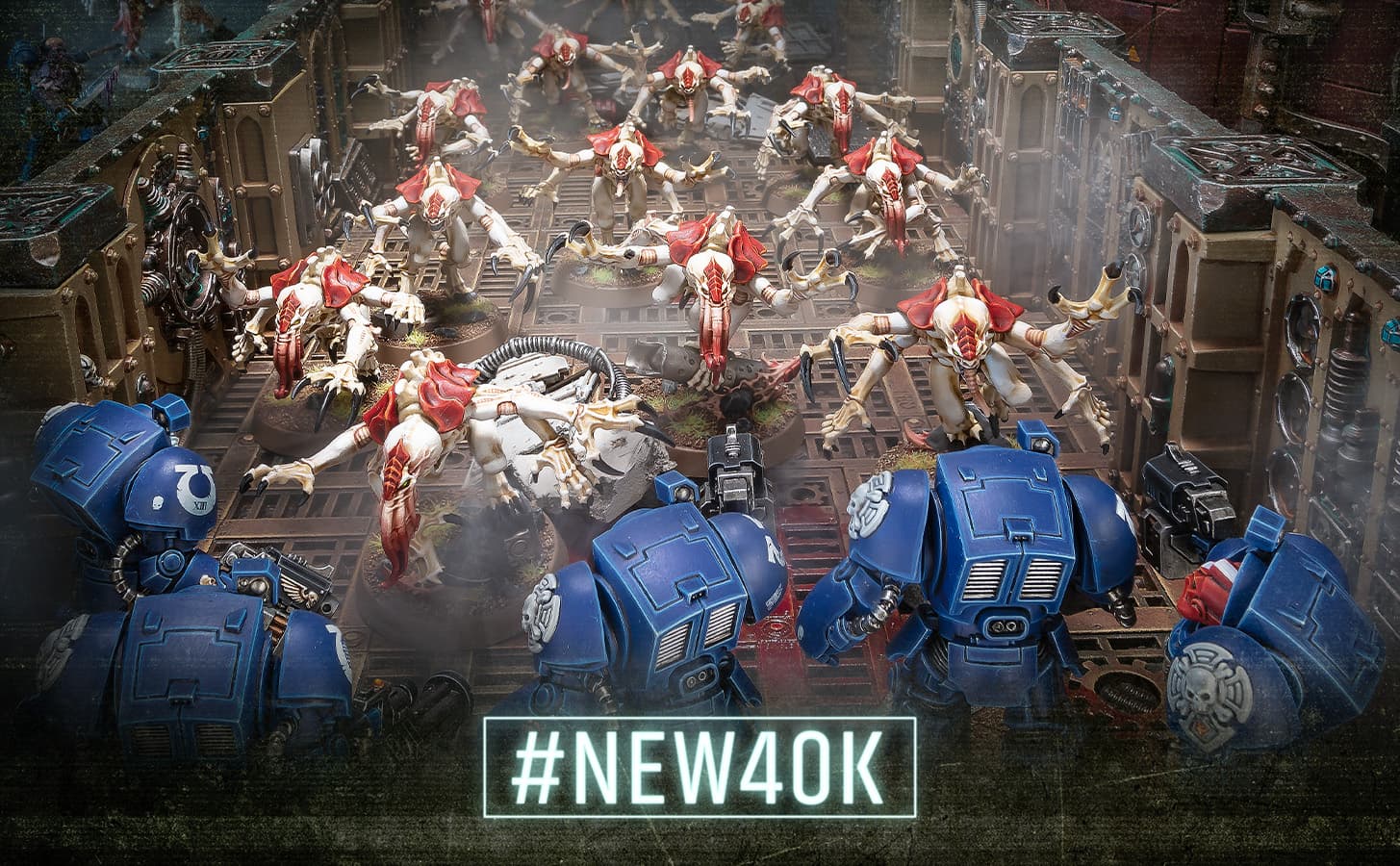
Games Workshop sold 10th edition as a complete revision of Warhammer 40,000, with a design philosophy of “simplified, not simple.” That line mattered because the launch was not just a new rules set, it was a full-system relaunch built around accessibility. The core rules, all 62 pages of them, were released online for free ahead of launch, Combat Patrol was introduced as a quicker entry mode, and Leviathan was positioned as the biggest Warhammer release in history. The official launch date was June 24, 2023, and the whole package was designed to make the game feel less like a rules tax and more like something you could actually start playing.
That approach is a big part of why Goonhammer calls 10th the most successful edition to date by most measures. It widened the funnel, made the first steps less punishing, and gave Games Workshop a cleaner way to present the game to new blood without burying them in layers of legacy mechanics. If you have been in 40k long enough to remember older editions drowning in exceptions, 10th was a deliberate attempt to cut that water line down.
Why Space Marines are the real test case
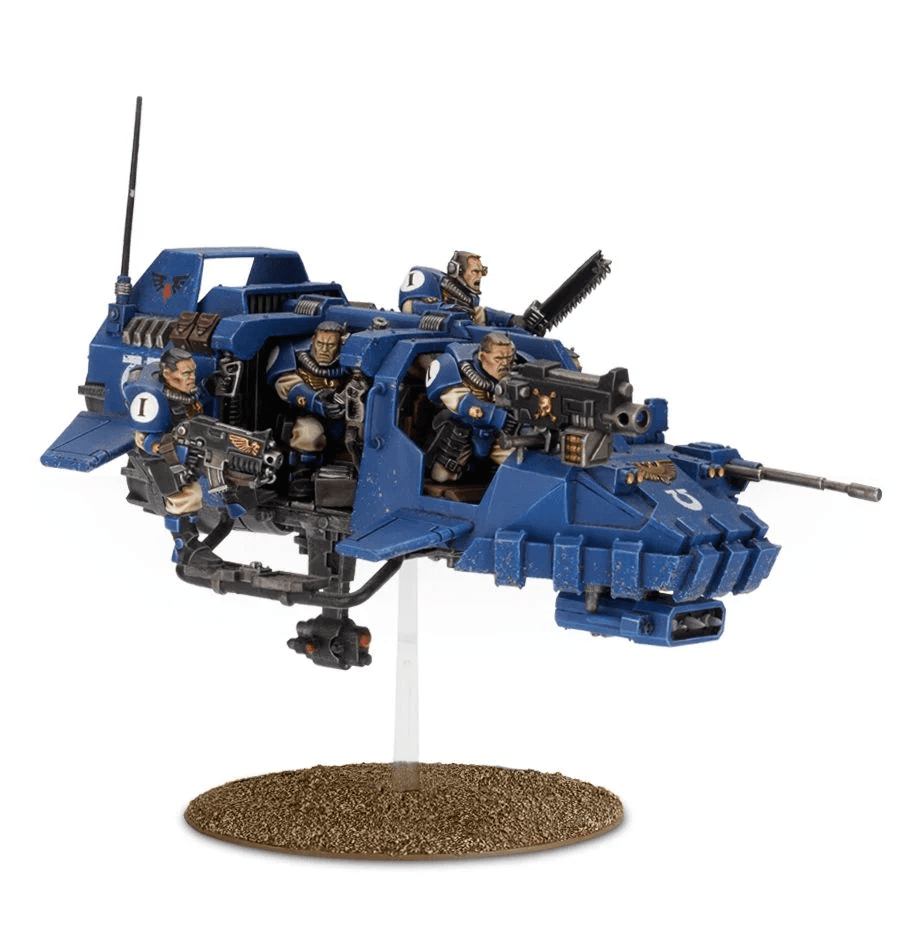
Goonhammer centers its first pass on the Space Marine Codex for a simple reason: Marines are still the benchmark faction. If an edition’s design philosophy works on Space Marines, you can see how it translates to the rest of the game. If it fails on Marines, the rest of the field is usually just the fallout. That makes the Space Marine book less of a faction release and more of a stress test for the entire edition.
Games Workshop’s own rollout made that book unusually important. At NOVA Open, it previewed Codex: Space Marines with 93 datasheets and seven complete Detachments, including six that loosely mapped onto First Founding Chapter styles and a seventh built around the First Company Task Force. When the codex went up for pre-order, Games Workshop described the finished book as a 216-page release with 93 unit datasheets and seven detachments, and it said the book supported all Imperial Space Marines, including divergent Chapters such as Space Wolves and Blood Angels. It also folded in Crusade rules and an Oathsworn Campaign progression system, which tells you the codex was meant to be a full play ecosystem, not just a list of stat blocks.

That breadth is a strength, but it is also one of the first warning signs for 11th. A single flagship book that covers so many Marine variants gives you efficiency and consistency, but it also risks smoothing out the things that make those Chapters feel distinct. If the next edition wants to keep the Marine tent broad, it needs to do a better job of preserving chapter identity without forcing players to wait for patchwork fixes.
How Goonhammer’s scoring changes the conversation
The most useful part of the retrospective is not that it declares winners and losers. It is the scoring method. Goonhammer breaks each codex down into power, merits, and mistakes, then has seven competitive contributors score the books and average the results. That means a codex is not just judged on whether it was strong. It is also judged on whether it was fun and thematic to play, and whether it caused problems for everyone else.
That matters because it gives you a language for reading 11th before it arrives. Aeldari are the obvious example of the tension the system is trying to capture. A book can score very highly on power and internal appeal while still becoming a balance headache for everyone else. That is the exact trap any new edition has to avoid: making a faction feel powerful and elegant on paper while turning the wider game into a reaction cycle.
For Marines, the same logic cuts both ways. A strong Marine codex can be a great sign that the edition understands how to support the hobby’s flagship army. But if it is too efficient, too flexible, or too easy to translate into every Chapter under the sun, it starts to reveal a different problem. The best Marine book is not the one that wins every argument. It is the one that shows the edition can support a poster-boy faction without warping the rest of the field around it.
The balance story 10th leaves behind
10th was never a static ruleset, and the balance story is part of why the edition still feels alive rather than dead on arrival. By February 2024, Warhammer Community was already saying the meta had shifted after a major Balance Dataslate. Josh from the Warhammer Studio said Aeldari and Chaos Space Marines were loosening their grip on top tables, while Astra Militarum and World Eaters had started winning events, with Space Marines among the factions taking wins after the update. That tells you 10th was built to be adjusted in motion, not left alone to sink or swim.
The later Space Marines faction pack is another clue. If the flagship faction still needed extra clarification and balance support after publication, then 11th needs to learn from that cadence rather than repeating it. The clean launch matters, but so does what happens when the first wave of lists settles and the internet finds the most efficient detachment, combo, or chapter pairing.
What the next edition needs to fix
If you are trying to read 11th through the lens of this postmortem, the lesson is not that 10th failed. It is that success at launch does not excuse sloppy follow-through. The big wins were obvious: a lower barrier to entry, a full rules reset, Combat Patrol as a friendly gateway, and a launch box that made the edition feel like an event instead of a bookkeeping update. The failures are more subtle, and that is why Marines matter so much here.
11th needs to keep three things in view:
- Distinct faction identity has to survive the simplification push.
- Big flagship books cannot become balance sinkholes that force constant patching.
- The first product wave has to signal a system that is coherent, not just larger.
That is why Goonhammer’s retrospective lands now, with 11th on the horizon and a new codex cycle coming with it. The real question is no longer whether 10th was a commercial and community success. It was. The question is whether Games Workshop can keep the good parts, trim the overcorrections, and avoid turning the Marine benchmark into the same old warning sign in a different box.
Know something we missed? Have a correction or additional information?
Submit a Tip